
 By Julien Dubois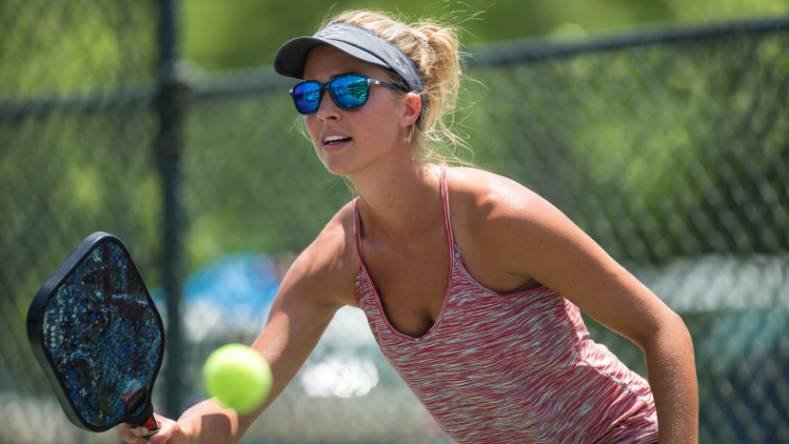
In recent years, pickleball has transformed from a backyard pastime into a widely recognized sport, with new courts appearing in communities worldwide to meet the surging demand. This fast-paced game is attracting players of all ages, and its rapid rise is no fleeting trend.
Pickleball’s unique blend of simplicity, social interaction, and physical activity appeals to beginners and seasoned athletes alike. Easy to learn yet challenging enough to remain engaging, the sport’s growing popularity is a testament to its broad appeal, making it one of today’s most talked-about sports.
Easy to Learn and Accessible for Beginners
One of pickleball’s main draws is its simplicity. The rules are straightforward, and most people can learn the basics quickly, making the sport welcoming for newcomers who might be intimidated by more complex games. The required equipment is also minimal—all you need to get started is a paddle, a lightweight ball, and a court.
Many communities offer open-play sessions, allowing beginners to join games without extensive training. This accessibility encourages participation and helps build confidence, as people feel more comfortable trying something new when the learning curve is manageable and enjoyable.
A Sport That Promotes Social Connection
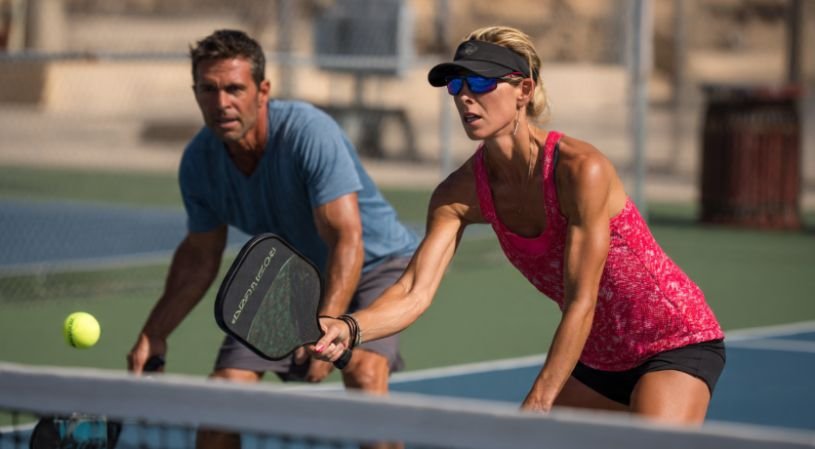
Pickleball is known for its strong sense of community. Typically played in doubles, the game encourages teamwork and communication. This setup makes social interaction a natural part of the experience, both on and off the court.
Players often build friendships through regular matches, with local clubs organizing tournaments and other social events that bring people together. The welcoming environment creates lasting connections and strengthens community bonds, encouraging players to return to the court regularly.
Suitable for All Ages and Fitness Levels
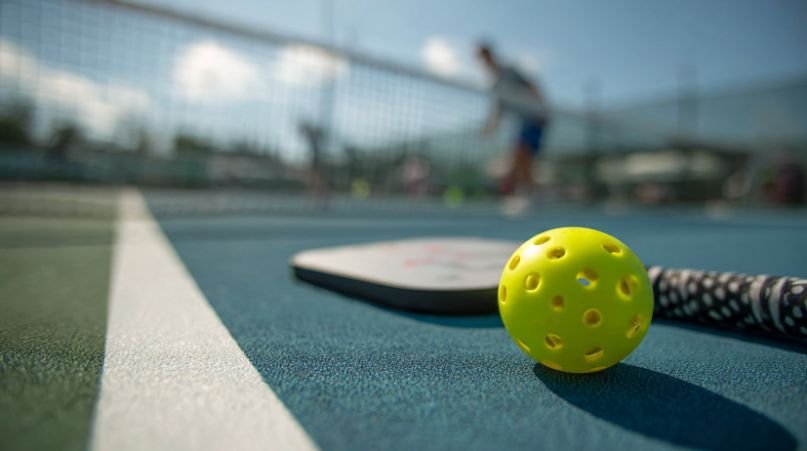
Another factor contributing to the sport’s growth is its adaptability. Pickleball can be played at various speeds and intensity levels, making it accessible to a wide range of ages and physical abilities.
Older adults often enjoy the sport because it’s easier on the joints than high-impact activities, while younger players appreciate the fast-paced rallies and competitive nature of the game. Families can even participate together, creating opportunities for shared recreation. This flexible gameplay allows everyone to find a pace that works for them, regardless of comfort or experience level.
Health Benefits That Support Active Lifestyles
Regular pickleball offers numerous health benefits by combining movement, coordination, and cardiovascular exercise. Consistent play can improve balance, agility, and hand-eye coordination while supporting heart health and overall fitness. Many players report increased energy and a better mood after a game. Because it’s enjoyable, pickleball makes physical activity feel less like a chore, making it easier for people to stick with their exercise routine.
Growing Opportunities for Competitive Play
As pickleball continues to expand, so do the opportunities for organized competition. Local leagues, regional events, and amateur championships offer players a chance to test their skills and challenge themselves. This competitive environment encourages athletes to practice regularly and refine their strategies, adding excitement to the sport by creating clear goals and milestones.
These structured events also attract spectators, which helps increase interest in the game and contributes to its long-term credibility. Ultimately, competition keeps players motivated and engaged.
Increased Investment in Facilities and Programs
As pickleball’s popularity surges, communities and organizations are investing in new facilities and programs to meet the demand. Parks departments are converting existing courts or building new ones, while recreation centers are introducing the sport to new audiences through lessons, clinics, and youth programs.
These improved facilities enhance the playing experience and make the sport more accessible. Well-maintained courts encourage regular play and help prevent injuries, while organized programs offer guidance for beginners and opportunities for skill development. This community support ensures the sport continues to grow sustainably.
Media Exposure and Word-of-Mouth Popularity
Increased visibility is another reason for the sport’s rapid growth. Social media, community events, and local news coverage have all helped spread awareness about pickleball.
As players share their experiences online, they inspire others to try the sport. Word-of-mouth also plays a powerful role in attracting new participants, as enthusiasm spreads quickly when friends and family share their passion for the game.
Conclusion
Pickleball’s popularity shows no signs of slowing down. Its accessibility, social nature, and health benefits make it an appealing way to stay active. As communities continue to expand facilities and programs to meet the increasing demand, more players will discover the sport and join the growing community. The future of pickleball looks bright as more people embrace this unique blend of fun, fitness, and connection.
If you’re looking to improve outdoor play spaces for kids, consider incorporating custom-designed playgrounds. Learn more about how custom playgrounds can enhance outdoor play experiences for families and communities, providing a safe, fun environment for children to enjoy physical activity.