
 By Julien Dubois
Your plate does a lot more than fuel your body. Every bite you take either works in favor of your teeth or chips away at them, sometimes literally. Mindful eating is mostly talked about in the context of digestion, weight, or emotional wellness, but your oral health deserves a seat at that table too. The foods you choose, and the habits around how you eat them, can mean the difference between a strong, pain-free smile and a panicked call to a dental office.
Dental emergencies are far more common than people expect. Certain foods can significantly increase the risk of a dental emergency, leading to unexpected pain, discomfort, and costly treatments. The good news is that many of those emergencies are entirely preventable. Small, consistent changes to your eating habits protect your enamel, keep your gums healthy, and reduce the odds of ever needing urgent care. Here are eight practical habits to build into your daily routine.
1. Swap Hard Candies for Something Your Teeth Can Handle
Hard candies are a double threat. They coat your teeth in sugar for extended periods, and they invite one of the most common dental accidents around. Hard candies and ice cubes are notorious for causing dental emergencies such as cracked or broken teeth. That satisfying crunch can turn into a cracked molar faster than you’d expect, especially if your enamel is already worn.
You don’t have to give up something sweet entirely. Dark chocolate, for example, dissolves faster and leaves far less surface contact than caramel or hard candy. If you’re looking for something to chew on, sugar-free gum is a solid option. If you frequently chew on ice or hard candies, consider alternatives like sugar-free gum to satisfy your cravings without risking damage to your teeth.
2. Stop Chewing Ice
Chewing ice feels harmless. It’s just water, right? The problem is that your enamel wasn’t designed for it. Ice, while sugar-free, is still a major culprit in dental damage. Many people habitually chew on ice, not realizing it can cause microscopic cracks in their teeth. These cracks weaken the structure and make teeth more vulnerable to breaking when biting into something slightly complicated.
The fix is straightforward: sip your cold drinks through a straw, or chill your drinks before pouring so you need less ice in the glass and aren’t tempted to crunch through what’s left at the bottom.
3. Be Strategic About Sticky and Chewy Foods

Caramel, taffy, gummy candies, and even some protein bars can do serious damage, and not just in the way you might think. Many people think that as long as they brush and floss after indulging in caramel or taffy, it poses no risk to their teeth. The decay issue is only one part of the problem with these sticky confections. Some of these treats are so sticky that they can pull a loose filling or even a crown right out of your mouth, leading to an emergency call to the dentist.
Sticky foods like caramel, gummy candies, and toffee can be problematic. They can get stuck in the crevices of your teeth and potentially cause further irritation to an already injured area. If food particles become trapped in a cracked tooth or around an infection, it can lead to discomfort and even infection. If you have any existing dental work like braces or invisalign, treat sticky foods as something to enjoy sparingly and always rinse thoroughly with water right after eating.
4. Eat Acid-Forming Foods With a Meal, Not Alone
Citrus fruits, tomatoes, coffee, wine, and vinegar-based dressings are acidic, and acid erodes enamel over time. Frequent exposures to acidic foods can erode enamel, making teeth more susceptible to decay over time. That erosion is cumulative, meaning sipping lemon water throughout the day is far more damaging than having a glass of orange juice with breakfast.
Pairing acidic foods with a full meal is a smarter approach because the other foods buffer the acid and your saliva gets a chance to neutralize the pH in your mouth. Citrus fruits like grapefruits, oranges, and lemons, in both fruit and juice forms, are delicious and a good source of Vitamin C, but they have a high acid content which erodes enamel and makes teeth more vulnerable to decay. Rinse your mouth with plain water after eating and wait at least 30 minutes before brushing so you’re not scrubbing already-softened enamel.
5. Build a Diet Around Calcium-Rich Foods
Your teeth need calcium to stay dense and resist damage. A diet rich in nutrients like calcium, vitamin D, and phosphorus can protect your enamel, support your gums, and keep cavities at bay. Dairy products are the most concentrated source for most people. Dairy products are high in calcium, strengthening bones and other compounds that replace lost minerals in teeth. These foods also encourage the body to produce more saliva, which helps protect teeth by cleaning out food particles.
If you’re dairy-free, you can still hit your calcium targets. Dairy alternatives like soy and cashew are also rich in calcium that strengthens teeth for long-term dental care. Leafy greens are another route worth taking. Leafy greens like spinach, kale, and arugula should be at the top of your grocery list. These nutritional powerhouses are packed with essential vitamins and minerals that directly contribute to a stronger, more resilient smile.
For more on how nutrient-dense foods support oral health and social confidence, the Harvard T.H. Chan School of Public Health Nutrition Source offers a solid foundation in how eating patterns connect to overall body wellness, including your mouth.
6. Add Omega-3s and Vitamin D for Gum Health
Most people focus on calcium for teeth, but they overlook gum health entirely. Your gums hold your teeth in place, and inflammation is one of the fastest routes to tooth loss. Salmon is loaded with vitamin D, which helps your body absorb calcium for stronger teeth. A 3-ounce serving provides 100% of your daily vitamin D needs. It’s also rich in omega-3 fatty acids, which reduce gum inflammation.
Packed with vitamin D and omega-3s, fish like salmon and sardines support bone health and reduce gum inflammation. Adding fatty fish to your meals two to three times a week is one of the most practical dietary changes you can make for your gum tissue, and it pays off throughout the rest of your body too.
7. Watch Out for Popcorn Kernels and Fruit Pits
Some of the most tooth-damaging incidents happen with everyday, otherwise harmless-seeming foods. Popcorn is the classic example. Popcorn is a beloved snack for movie nights but can be surprisingly dangerous for oral health. One of the most significant risks comes from unpopped kernels. Biting down on a hard kernel can result in a cracked or broken tooth, leading to pain and the need for immediate dental care.
Fruit pits carry a similar risk. Fresh cherries are delicious, and olives are a tasty treat, but use caution when you’re eating them. Accidentally biting into the pit of a fruit can crack or break your tooth. Hard nuts deserve the same caution. Hard nuts like almonds, cashews, and pistachios can be difficult to chew and may cause dental damage if bitten down on forcefully. Consider opting for softer nuts or nut butters as alternatives.
When you do eat these foods, slow down and eat intentionally. Mindful eating, the practice of paying full attention to textures, resistance, and how food feels in your mouth, is exactly the kind of awareness that catches a risky bite before it becomes a cracked tooth.
8. Drink More Water, Especially After Meals
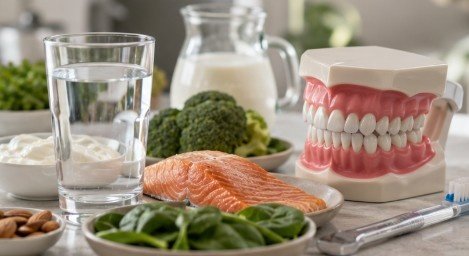
Plain water is the simplest and most underrated dental habit you have access to. Fluoridated water strengthens enamel and helps wash away food particles and bacteria. Drinking a glass of water after eating doesn’t replace brushing, but it does flush out sugars and acids before they settle in and start doing damage.
Staying hydrated by drinking plenty of water keeps your mouth moist and washes away food particles. Dry mouth is also a real problem because saliva is your mouth’s built-in defense system. In their natural form, coffee and tea can be healthy beverage choices. Unfortunately, too many people can’t resist adding sugar. Caffeinated coffee and tea can also dry out your mouth. If coffee is part of your daily routine, match every cup with a glass of water to offset that drying effect.
For a deeper look at how nutrition connects to your body’s overall health, the American Heart Association’s guide to mindful eating is a trusted resource that connects conscious food choices to whole-body wellness. And for evidence-backed guidance on diet and disease prevention, the Healthline overview of mindful eating breaks down how awareness around food choices supports long-term health outcomes.
What to Do When Prevention Isn’t Enough
Even with the best eating habits in place, accidents happen. A hidden kernel, a moment of distraction, a piece of candy that was harder than expected. Knowing when to seek care quickly matters just as much as prevention. If you chip a tooth, lose a filling, or develop sudden and severe tooth pain, don’t wait it out. Reaching out to an emergency dentist maple ridge promptly can be the difference between saving a tooth and losing it.
Pain that lingers, swelling near a tooth, or a knocked-out tooth are all situations that require same-day attention. While dealing with a dental emergency, choosing the right foods can significantly improve your comfort and recovery. Avoid hard, sticky, acidic, sugary, and extreme-temperature foods. Focus on soft, nutrient-rich foods that are easy on your teeth and aid healing. Sticking to soft foods like yogurt, mashed vegetables, and oatmeal while you wait for your appointment keeps the discomfort manageable and reduces the risk of making things worse.
Your Mouth Is Part of the Whole Picture
Mindful eating has always been about paying attention, slowing down, and making choices that serve your body well. Your teeth are part of that body, and they respond directly to what you put in your mouth every single day. Good nutrition is powerful in supporting overall health and the oral microbiome. What you eat can directly impact the condition of your mouth, from strengthening tooth enamel to helping good bacteria thrive.
Build these eight habits into your routine, and you’re not just protecting your smile. You’re reducing inflammation, strengthening your bones, and cutting the odds of the kind of dental emergency that upends your week. That’s not a small thing.
| Habit Main Benefit Quick Tip | ||
|---|---|---|
| Avoid hard candy | Prevents cracked and chipped teeth | Switch to sugar-free gum or dark chocolate |
| Stop chewing ice | Prevents microfractures in enamel | Sip through a straw; chill drinks before serving |
| Limit sticky foods | Protects fillings and crowns | Rinse with water immediately after eating |
| Eat acidic foods with meals | Reduces enamel erosion | Pair citrus with other foods; rinse after |
| Add calcium-rich foods | Strengthens enamel and jaw bone | Dairy, leafy greens, fortified plant milks |
| Eat more omega-3s | Reduces gum inflammation | Salmon, sardines, or walnuts 2 to 3 times weekly |
| Watch for hidden hard foods | Prevents cracked teeth from popcorn, pits, nuts | Eat slowly and mindfully; choose nut butter over whole nuts |
| Drink more water | Flushes bacteria and acids; prevents dry mouth | One glass of water after every meal and after coffee |