
 By Julien Dubois
You spend real effort on what goes into your body. You read labels, you choose fresh ingredients, you build meals around flavor and nutrition. But a handful of everyday kitchen and eating habits can chip away at your teeth without sending any obvious warning signals. By the time you notice sensitivity or discoloration, the damage is already underway.
Oral health and diet are far more connected than most people realize. Oral health is one of the most underrated aspects of overall full-body health. And the decisions you make every time you sit down to eat or reach for a drink directly shape the condition of your enamel, gums, and long-term smile. The good news is that fixing these habits costs nothing. You just have to know which ones to watch.
1. Sipping Acidic Drinks Slowly Throughout the Day
A slow-sipped lemonade feels harmless. A kombucha nursed over a two-hour work session seems practically virtuous. But the slow, prolonged contact is the exact problem. Beverages such as soft drinks, sweetened coffee and tea, and acidic foods and candies promote tooth demineralization and decay. Every slow sip resets the acid clock on your enamel.
The fix is simple: drink acidic beverages in one sitting rather than grazing through them. Follow up with water to rinse your mouth. If you’re reaching for something acidic regularly, a straw positioned toward the back of the mouth reduces the liquid’s contact with tooth surfaces. Your enamel is not replaceable, so protecting it daily matters more than any whitening treatment later.
2. Snacking Constantly Between Meals
Mindful grazing sounds like a healthy approach to eating. In reality, the frequency of eating matters just as much as what you eat. Meal frequency plays a role in oral health, with fewer meals per day being associated with lower caries risk, and consuming desserts with meals being preferable to between-meal snacking. These eating habits can protect teeth and prevent emergencies
Every time food enters your mouth, bacteria in your mouth produce acids that attack enamel. Your saliva needs time between meals to neutralize those acids and begin remineralizing your teeth. Constant snacking keeps your mouth in a near-permanent acid environment. Consolidate your eating into defined meals and give your saliva time to do its job.
3. Skipping Crunchy Raw Foods at the End of a Meal

Most people eat salad first and save the richest or sweetest bites for last. That sequence works against your teeth. One way to protect your teeth is by eating raw foods at the end of meals, as they help clean teeth and massage gums, and generate more saliva to wash away extra food particles left after a meal.
Think of a few slices of cucumber, celery, or a handful of raw carrots as your natural mouth rinse. They require serious chewing, which produces saliva and mechanically scrubs surfaces that a fork never reaches. Rearranging the order of what you eat at a meal takes zero extra time and genuinely changes the chemistry of what stays on your enamel after you push the plate away.
4. Treating Fruit Juice Like a Health Food Free Pass
A glass of fresh-pressed orange juice feels worlds apart from a soda. Your enamel does not see the distinction. Evidence suggests that fresh fruits are preferable to fruit juices, as chewing stimulates saliva production and enhances its cleansing effect. Juice strips out the fiber, concentrates the sugars, and removes the chewing action that naturally helps protect teeth.
Eat the orange. Eat the apple. If you do drink juice, treat it like an acidic beverage: drink it with a meal, use a straw when possible, and rinse with water afterward. Your overall nutrition stays strong, and your enamel avoids a daily acid bath.
5. Forgetting to Eat Enough Calcium-Rich Foods
Calcium is not just a bone concern. Foods and drinks that are high in calcium help produce saliva, add minerals to your teeth, and help to rebuild tooth enamel. Some of the most calcium-rich foods include milk, cheese, yogurt, and other dairy products. As oral health can also shape everyday social confidence
The consumption of cheese is associated with protection from cavities, with proposed mechanisms including increased salivary flow and buffering, and inhibition of plaque bacteria overgrowth. A small piece of cheese after a meal is one of the oldest and simplest ways to neutralize acid and give your enamel back some of what the meal took. You don’t need a supplement. You need consistent, calcium-forward meal planning. According to the U.S. Health Resources and Services Administration, health care professionals recommend most adults get about 1,000 milligrams of calcium a day, preferably from foods, to keep teeth and bones healthy.
6. Neglecting High-Fiber Vegetables
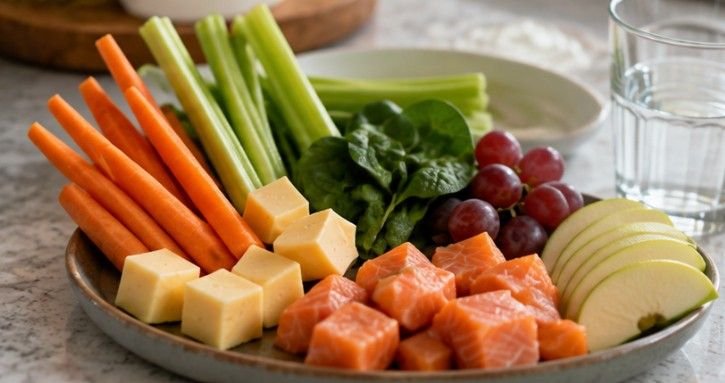
Fiber gets all the credit for digestive health, but its dental benefits are seriously underappreciated. Foods that are high in fiber, such as dark leafy greens, brussels sprouts, beans, and grains, help keep your gums and teeth clean since they cause your mouth to produce more saliva as you eat them. This increase in saliva helps break down sugars and starches that stick to teeth after eating less-healthy foods, reducing plaque buildup and decay.
Leafy greens pull double duty. Leafy green and dark, multi-colored vegetables such as lettuce, kale, spinach, asparagus, cabbage, and chard are packed with a variety of vitamins and minerals necessary to maintain and improve oral health. Nutrients found in these dark green foods include vitamin A, vitamin C, beta carotene, phosphorus, calcium, and magnesium, and phosphorus is stored in your teeth and bones to help your body balance and absorb calcium and magnesium.
Practically speaking, adding a generous handful of spinach or kale to one meal a day is one of the cheapest, easiest interventions for better oral health you’ll find anywhere.
7. Chewing on Ice, Pits, or Hard Package Edges
The kitchen is full of things people absentmindedly chew: ice from a drink, the corner of a chip bag, olive pits, popcorn kernels. Each one risks a micro-fracture or outright crack in a tooth. Avoid chewing on ice, which can break your teeth or wear down the enamel. The same logic applies to anything similarly hard or unforgiving.
Cracked teeth are one of the leading reasons people end up in a dental chair for urgent care. A qualified dentist falls Church patients trust can repair a lot, but a vertical root fracture cannot be un-cracked. The habit of casually chewing non-food objects or extremely hard foods feels trivial until the moment it isn’t. Break it now.
8. Ignoring Vitamin C and Vitamin D in Your Meal Planning

Most people associate these vitamins with immunity and bone density. Their role in the mouth is just as significant. Vitamin C strengthens gums and blood vessels, ensuring teeth remain well-nourished and secure in place, and it also helps the body absorb calcium for stronger teeth.
On the Vitamin D side, carious lesions may be arrested by remineralization at initial pre-cavitation stages by dietary intervention with Vitamin D-rich foods. That means catching early decay before it becomes a cavity is partly a nutrition story. Phosphorus, present in fish, lean meat, dairy, nuts, and beans, plays a crucial role in the formation of tooth enamel and collaborates with calcium to enhance the durability of teeth, while Vitamin D, which can be obtained from fatty fish and fortified dairy products, assists in the absorption of calcium.
A meal plan that includes salmon, eggs, fortified dairy, citrus, and bell peppers covers most of these bases without requiring any special products or supplements. As the research published in the National Institutes of Health database confirms, what you eat is directly tied to your caries risk and your long-term gum health. Your kitchen is either working for your smile or against it.
One More Thing: Regular Professional Care Still Matters
No amount of smart eating fully replaces a professional cleaning and exam. Modern dental technology can improve comfort and patient outcomes. But always remember to brush your teeth twice a day with fluoride toothpaste, floss between your teeth once a day, and visit your dentist regularly for professional cleanings and checkups. Diet builds your defense; your dentist catches what slips through.
For more on how food choices connect to your oral health, the Northwell Health resource on foods that improve oral health is a practical starting point backed by clinical expertise.
The Bottom Line
Your kitchen habits shape your smile in ways that show up slowly and then all at once. Sipping acidic drinks over hours, grazing all day, skipping fiber-rich vegetables, and crunching on ice all add up to real cumulative damage. Swap in calcium-rich snacks, eat raw vegetables toward the end of meals, consolidate your eating windows, and treat juice as an occasional treat rather than a daily staple.
Small shifts, repeated consistently, compound into dramatically better oral health over months and years. You’re already paying attention to what you cook and eat. Now you have eight more specific levers to pull.