
 By Julien Dubois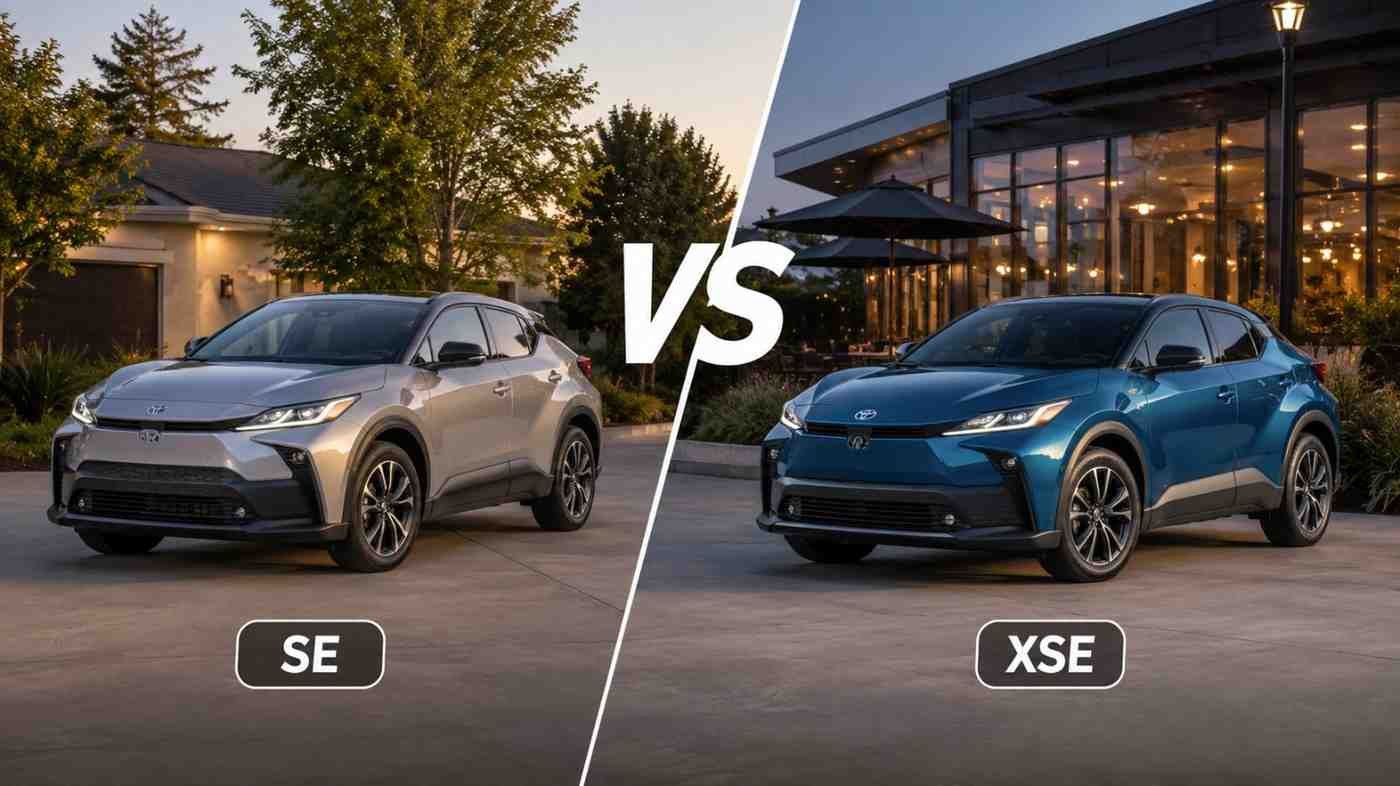
Shopping for a new EV usually comes with one extra layer of decision-making that gas-car buyers don’t deal with as much: range and efficiency actually change between trims, not just features and looks.
The 2026 Toyota C-HR is a good example. Toyota offers it in exactly two grades, SE and XSE, and the differences between them go beyond wheel size and upholstery. If you’re planning to shop the new C-HR at Maverick Toyota or research which one fits your driving, here’s what actually separates them.
The Core Mechanical Difference: Wheels Affect Range
Both trims share the same 74.7-kWh battery and the same dual-motor, standard all-wheel-drive setup producing 338 net combined horsepower and 323 lb-ft of torque, with a manufacturer-estimated 0-60 mph time of 4.9 seconds. Nothing about the drivetrain itself changes between trims.
What does change is the wheel size, and that has a real effect on range and efficiency. The SE comes standard with 18-inch wheels and carries an EPA-estimated range of up to 287 miles, with an EPA-estimated 117 MPGe combined.
The XSE steps up to 20-inch wheels, which look sportier but add rolling resistance and aerodynamic drag — dropping the EPA-estimated range to 273 miles and combined efficiency to 112 MPGe. It’s a modest gap, but if maximizing range is your top priority, the SE has a genuine, measurable advantage.
Standard Features: Both Trims Are Well Equipped
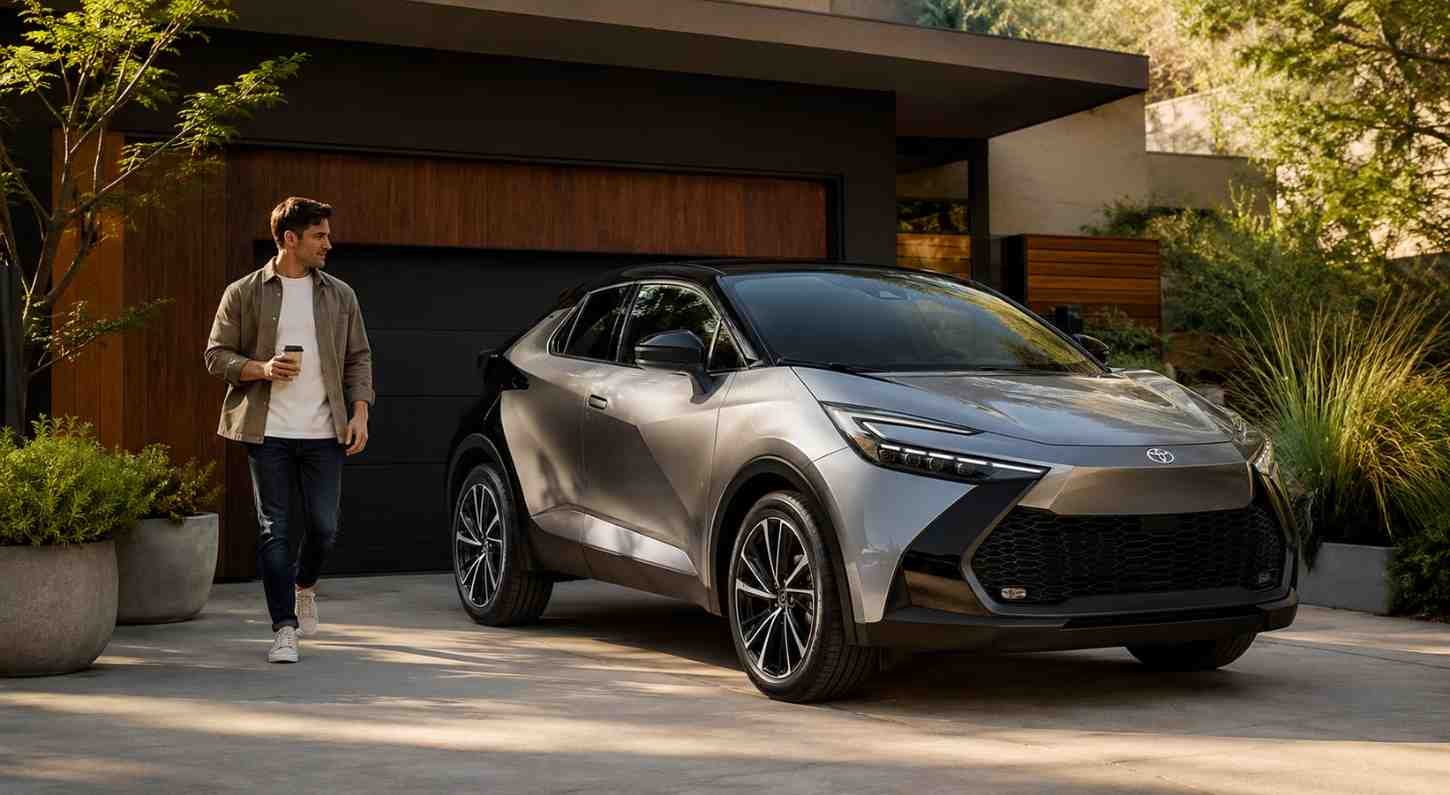
Toyota didn’t strip down the SE to push people toward the XSE. Every C-HR, regardless of trim, comes with Toyota Safety Sense 3.0 as standard — including a pre-collision system with pedestrian detection, lane departure alert with steering assist, lane tracing assist, full-speed-range adaptive cruise control, road sign assist, and automatic high beams.
Blind-spot monitoring with rear cross-traffic alert is also standard on both grades, along with the NACS charging port, a 14-inch touchscreen, a 7-inch digital gauge cluster, heated front seats, a heated steering wheel, an 8-way power driver’s seat, a power liftgate, rain-sensing wipers, and dual wireless phone chargers.
That’s a genuinely strong baseline. A lot of compact SUVs — gas or electric — reserve some of these driver-assist features for higher trims. On the C-HR, they come standard from the entry point.
What the XSE Adds
The XSE builds on that foundation with a handful of upgrades aimed at comfort and convenience rather than performance. It adds a power front passenger seat with driver memory settings, synthetic-suede seating surfaces, a digital rearview mirror with HomeLink, a Panoramic View Monitor (a 360-degree camera system), Traffic Jam Assist, and Lane Change Assist.
The 20-inch gunmetal wheels give it a noticeably sportier stance in person. From there, XSE buyers can also add optional packages that aren’t available on the SE at all, including a JBL premium audio system, a panoramic sunroof, a Cold Weather Package, and a two-tone black roof.
None of these additions change how the C-HR drives day to day, but they matter if you’re the kind of buyer who wants the nicer materials and the extra visibility of a 360-degree camera, especially for tighter parking situations around San Diego’s older neighborhoods.
Price Difference

Toyota’s published starting price puts the SE roughly $2,000 below the XSE, though the exact number you’ll see quoted varies by source and doesn’t include destination charges, taxes, title, dealer fees, or any options you add — so treat any advertised figure as a starting point and confirm current pricing with the dealer before you budget around it.
For most buyers, that $2,000 gap is really a question of whether the XSE’s added convenience features and styling touches are worth more to you than a few extra miles of EPA-estimated range on the SE.
Options Worth Weighing Before You Decide
A few of the XSE-exclusive options are worth thinking through honestly rather than adding by default. The Cold Weather Package, for example, is genuinely useful in places that see hard freezes and heavy snow — not something most San Diego and Lemon Grove drivers will get much use out of.
On the other hand, the panoramic sunroof and JBL audio system are the kind of upgrades that don’t affect how the car drives but do affect how much you enjoy being in it every day, so they’re worth experiencing in person before deciding they’re not necessary.
It’s also worth remembering that financing terms, monthly payments, and any trade-in value for your current vehicle will depend on your credit, the lender, and current rates — all of that is subject to approval and will vary person to person, so treat any advertised payment estimate as a starting point for a conversation rather than a locked-in number. If you’re planning to turn old cars into quick cash before upgrading to a new EV, comparing trade-in offers with private-sale options can also help you maximize your budget.
Which One Should You Actually Choose?
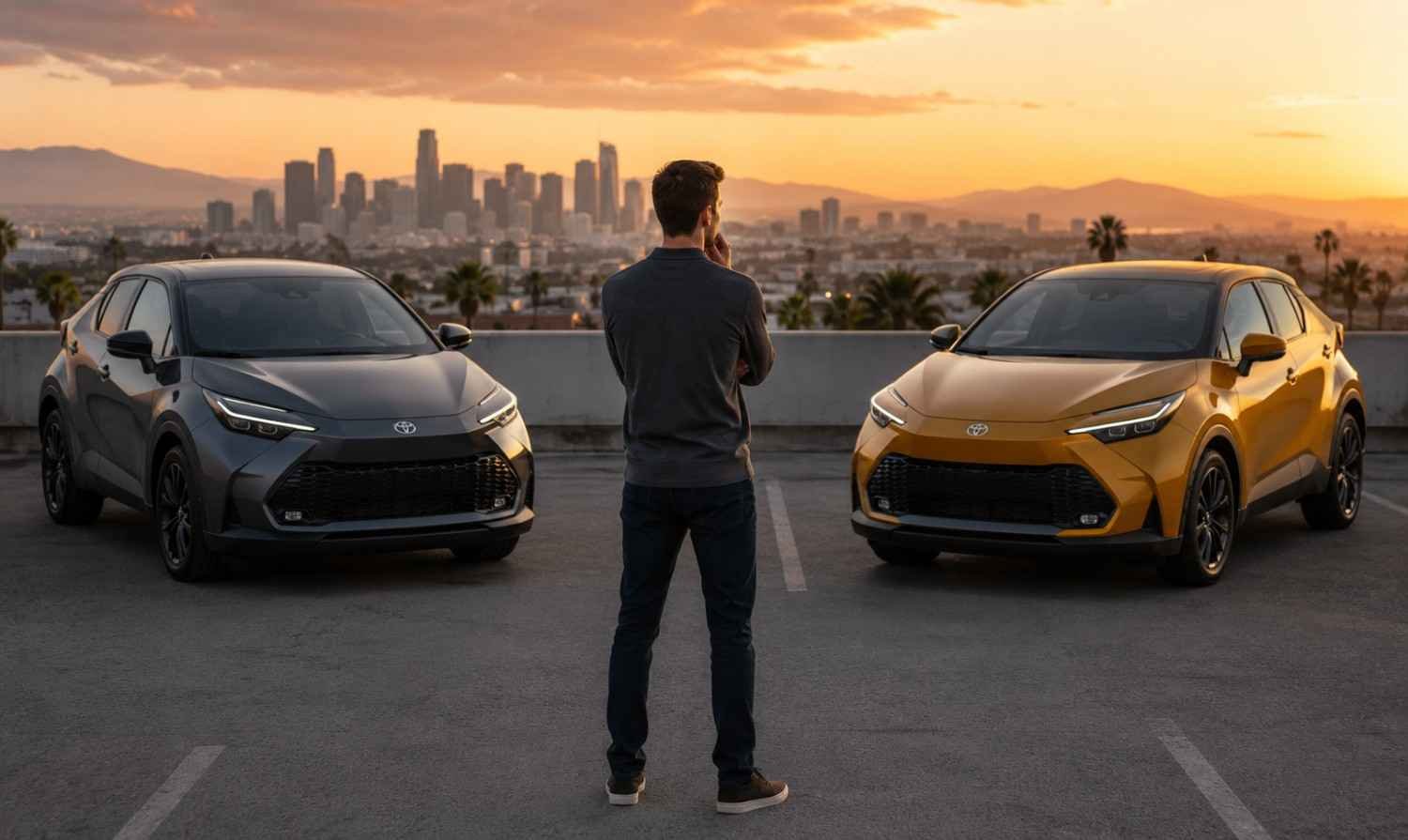
If range is your main concern — say, you have a longer commute, don’t always have reliable access to home charging, or just want the biggest possible buffer before you need to think about charging — the SE’s extra range and better efficiency make a real case for itself, especially since you’re not giving up any of the core safety technology to get it.
If you’re more focused on daily comfort and convenience, want the nicer seating material, appreciate the extra visibility of a 360-degree camera for city driving, or simply prefer how the 20-inch wheels look, the XSE is a reasonable trade of a modest amount of range for a nicer overall package. Either way, you’re getting the same core vehicle — the same battery, the same motors, the same acceleration, and the same standard safety suite.