
 By Julien Dubois
Have you ever wondered why one person can bite into a hard apple without a second thought while another chips a tooth on a soft pretzel? Dental strength varies significantly from person to person. You might assume brushing twice a day guarantees indestructible teeth.
However, the reality involves a complex mix of genetics, diet, and daily habits. We will explore the primary reasons behind varying tooth strength and what you can do to protect your smile.
Genetics Play a Massive Role
Your DNA dictates much of your physical makeup. This includes your mouth. Genetics determines the thickness of your enamel, which is the hard outer layer protecting your teeth. Thicker enamel provides a better shield against decay and physical trauma.
Inherited traits also dictate the size and shape of your jaw. If your teeth are crowded, they might wear unevenly, leading to weakened areas. Some people simply inherit a predisposition to stronger dental structures. Furthermore, genetics influence the natural composition of your saliva. Some individuals produce saliva that is highly effective at neutralizing cavity-causing acids, giving them a natural advantage against tooth decay.
The Impact of Early Nutrition
What you eat during your formative years sets the foundation for your adult smile. Before permanent teeth even erupt, they form deep within the jawbone. Minerals like calcium and phosphorus are crucial during this development phase. Vitamin D is equally important because it helps your body absorb calcium properly.
Children who experience severe nutritional deficiencies often develop softer enamel. This makes their adult teeth more susceptible to cavities and fractures later in life. Mothers who maintain a nutrient-dense diet during pregnancy also give their babies a head start in developing sturdy primary teeth.
Daily Dietary Choices
As an adult, your diet continues to affect your dental strength. Highly acidic foods and beverages strip minerals from your enamel. Sodas, sports drinks, and citrus fruits are common culprits for acid erosion.
Frequent snacking on sugary treats feeds harmful bacteria in your mouth. These bacteria produce acid that eats away at your teeth. Conversely, a diet rich in dairy, leafy greens, and lean proteins helps remineralize your enamel. Drinking plenty of water also washes away food particles and neutralizes harmful acids, keeping your oral environment balanced.
Oral Hygiene Habits
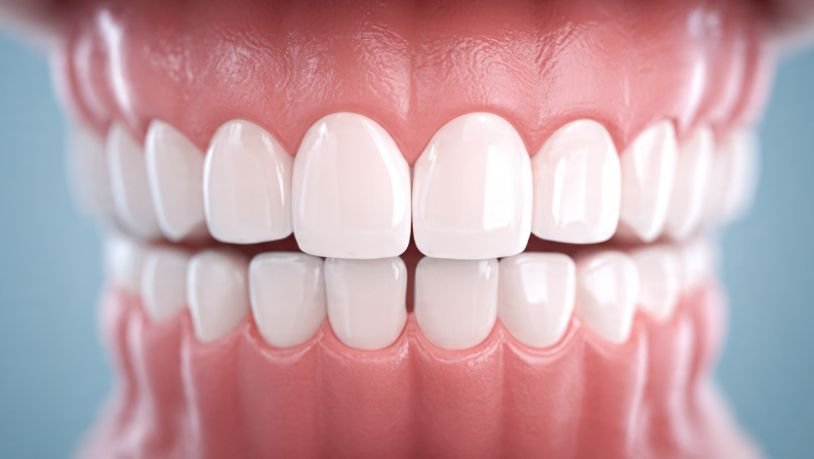
Brushing and flossing are non-negotiable for a strong smile. Plaque buildup leads to tartar, which irritates gums and weakens the bone supporting your teeth. Strong teeth require a strong structural foundation.
Using fluoride toothpaste strengthens enamel and makes it more resistant to acid attacks. Flossing removes plaque from areas your toothbrush cannot reach. Neglecting these spaces allows decay to form between teeth, creating hidden weak spots.
However, brushing too aggressively can actually wear away your enamel and cause gum recession. A soft-bristled brush used with gentle, circular motions provides the best protection.
Physical Wear and Tear
Sometimes, teeth weaken due to mechanical stress. Bruxism is a condition where people grind or clench their teeth, often during sleep. This constant pressure creates micro-fractures in the enamel. Over time, these small cracks compromise the entire tooth structure. Using teeth as tools to open packages or bite fingernails also causes unnecessary trauma.
When severe damage or decay leads to extraction, finding a suitable replacement becomes necessary. For instance, seeking advice from a dental implant center in Harrisonburg, VA provides options to replace missing teeth and restore full chewing capability. Ignoring missing teeth causes the remaining ones to shift, which weakens your overall bite and places extra stress on healthy teeth.
Age and Saliva Production

As we get older, our teeth naturally endure decades of chewing and exposure to various substances. Aging often brings a decrease in saliva production. Saliva acts as a natural defense system.
It washes away food debris and contains minerals that repair early signs of tooth decay. A dry mouth removes this protective barrier, allowing bacteria to thrive. Staying hydrated and chewing sugar-free gum can stimulate saliva flow and help maintain dental strength throughout your life.
Conclusion
Understanding the factors that influence tooth strength empowers you to make better choices for your oral health. While you cannot change your genetics, you control your diet, hygiene routine, and how you treat your teeth daily.
Regular checkups allow professionals to catch early signs of weakness before they become major problems. Prioritize good habits, wear a mouthguard if you grind your teeth, and maintain a balanced diet to keep your smile resilient for years to come.