
 By Julien Dubois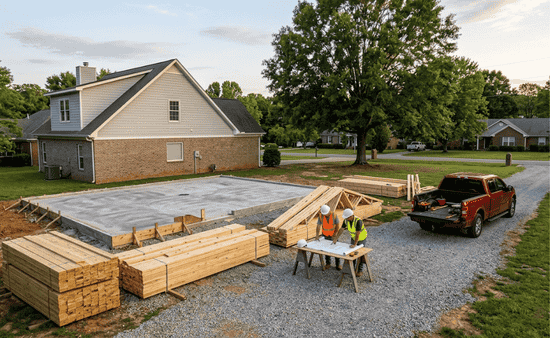
Adding a garage is one of the more practical investments a homeowner can make — but the gap between a well-built structure and a costly mistake often comes down to decisions made before construction even begins. Getting those early decisions right sets the entire project up for success.
Why Planning Matters More Than Materials
Most homeowners focus on size and style when they start thinking about a new garage. Those decisions matter, but they come later. The questions that shape the outcome most are the ones asked earlier: What will the space actually be used for?
Does the property layout support the planned footprint? Are there easements, setback requirements, or HOA restrictions that affect where and how the structure can be built?
Skipping the planning phase — or rushing through it to get to the exciting parts — is one of the most common reasons garage projects go over budget or require expensive modifications after the fact.
Permits, Codes, and Why They Work in Your Favor

Garage construction in most areas requires permits, and for good reason. Building codes exist to ensure that structures are safe, properly anchored, and built to withstand local weather conditions. In northern Alabama, that includes wind load requirements and soil considerations that affect foundation design.
Working with a builder who pulls permits and builds to code protects the homeowner in two important ways. First, it ensures the structure is built correctly. Second, it protects property value — unpermitted structures can complicate home sales and insurance claims in ways that far exceed the short-term cost of doing things properly.
Attached vs. Detached: More Than a Style Choice
The decision between an attached and detached garage affects more than aesthetics. Attached garages offer direct interior access and shared wall insulation benefits, but they also introduce considerations around fire separation requirements and how the structure integrates with the home’s existing foundation and roofline.
Detached garages offer more flexibility in placement and design, and they’re often the better fit for properties where the home’s layout doesn’t lend itself to a clean attachment point. They can also be positioned to accommodate future uses — a workshop, a studio, or additional storage — without affecting the main living space.
Foundation Options and What Drives the Decision
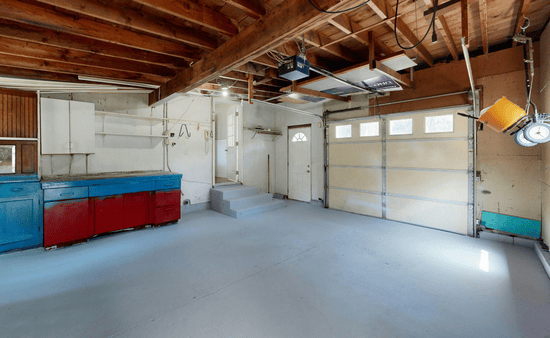
A garage foundation isn’t one-size-fits-all. The right choice depends on the intended use of the space, the soil conditions on the property, and the size and weight of the structure being built.
Concrete slab foundations are the most common for residential garages and work well for most standard applications. Properties with sloped lots or expansive soil conditions may require pier-and-beam or other foundation approaches. A builder who assesses site conditions before recommending a foundation type — rather than defaulting to the same approach on every job — is one worth paying attention to.
Sizing for How You’ll Actually Use the Space
Standard two-car garage dimensions work for most households, but they don’t account for how garages actually get used over time. Storage, workbenches, chest freezers, and hobby equipment all consume floor space that looks adequate on paper but feels cramped once the cars are inside.
Building slightly larger than current needs is almost always the right call — especially when considering modern security storage solutions that require additional space for safe and organized storage.
The marginal cost of extra square footage during construction is far lower than the cost of a future addition or a separate storage structure. A builder who asks detailed questions about how the space will be used is helping you make a decision you won’t regret in five years.
What to Look for in a Local Builder

Not every general contractor approaches garage construction with the same level of process discipline. Homeowners who’ve worked with a garage builder in Huntsville know that local knowledge makes a real difference — familiarity with permitting requirements, soil conditions, and the weather demands specific to northern Alabama all affect how a structure gets built and how long it holds up.
Beyond local knowledge, the indicators worth evaluating are straightforward: clear project timelines, transparent pricing, documented warranties on materials and labor, and references from completed projects nearby. A builder who communicates consistently throughout a job and addresses questions directly is one who’s likely to deliver a finished structure you’re satisfied with.
Concrete, Steel, or Wood: Choosing the Right Structure Type
Each primary construction material has trade-offs. Wood-framed garages are familiar, easier to modify after the fact, and work well for most residential applications. Steel buildings offer durability and resistance to pests and rot, and they’re often faster to erect. Concrete block construction provides excellent thermal mass and durability but typically comes at a higher cost.
The right choice depends on budget, intended use, and how the structure needs to integrate visually with the existing property. A builder who presents the options clearly — including honest trade-offs — is more useful than one who defaults to a single material regardless of the project.
Conclusion
A well-built garage adds long-term value to a property and creates usable space that serves the household for decades. Taking the time to plan carefully, choose a qualified builder, and make informed decisions about design and materials is what separates a project you’ll be proud of from one you’ll spend years working around.