
 By Julien Dubois
Choosing the right aggregate is less about appearance alone and more about how the surface needs to perform over time. A driveway, trail, patio sub-base, or pathway each asks something different from the material underneath it. That is where chat rock earns its place in the conversation. It is not simply another decorative stone option; it is a compactible material designed to solve the problems that loose gravel often creates.
One Source Materials supplies chat and crusher fines for projects where stability matters as much as look and feel. For homeowners, ranch operators, and landscape professionals, the real question is not “Which rock looks best?” It is “Which material will stay usable, comfortable, and structurally sound under actual traffic and weather?” That is the standard chat rock is built to meet.
Why Loose Gravel Works in Some Places but Fails in Others
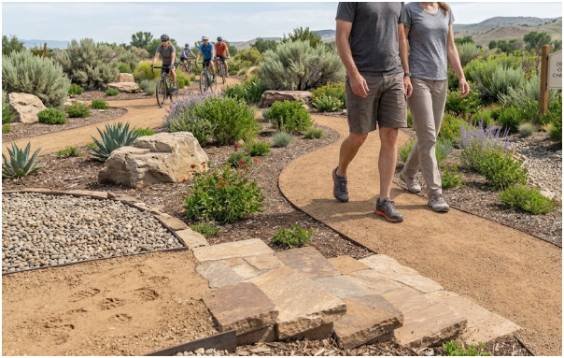
Pea gravel and crushed stone both have legitimate uses, but they behave very differently once installed. Loose gravel is attractive for drainage and quick coverage, and in the right setting it does the job well. The issue is that loose material does not naturally lock together. Underfoot, it shifts. Under tires, it migrates. On slopes or in high-use areas, it can spread beyond its intended boundary.
That movement becomes a bigger concern when the surface needs to feel stable and walkable. A child’s path to the garden, a patio edge that should not wobble, or a trail that sees repeated foot traffic all demand more than visual coverage. In those situations, a compactible material is usually the more strategic choice and a smart way to upgrade your rural living space.
Pea gravel also tends to roll underfoot because of its rounded shape. Crushed stone offers sharper edges and better grip, but it can still behave like loose aggregate unless the application is designed around drainage and containment. Chat rock falls in a different category because it is meant to pack down into a firmer surface instead of remaining mobile.
The Core Difference Is Movement
The best way to compare these materials is by asking how much they move after installation.
- Pea gravel: attractive, but highly mobile.
- Crushed stone: more angular and stable, but still loose unless installed for that purpose.
- Chat rock: designed to compact into a tighter, more unified surface.
That distinction matters most in places where a surface must feel intentional rather than temporary. One Source Materials helps customers make that call by matching the material to the use case, not just the color.
Where Chat Rock Outperforms Pea Gravel and Crushed Stone
The strongest use cases for chat rock are those where durability and comfort are both important. It is a practical choice when you want a smoother finish than loose stone but do not want a hard poured surface. One Source Materials offers this material in a range of natural blends, which makes it suitable for projects that need both function and a natural look.
Chat rock is especially useful for:
- High-traffic walkways
- Xeriscaping zones
- Patio sub-bases
- Trail networks
- Ranch and utility paths
- Areas where a firmer surface is preferred over loose decorative rock
In these settings, the value is not just compaction. It is the combination of stability, drainage awareness, and low-friction maintenance. A compactible surface can reduce the constant readjustment that loose gravel often requires.
High-Traffic Pathways Need a Material That Settles In
Pathways are one of the clearest examples of when to choose chat rock. A path that gets repeated foot traffic needs to feel predictable from step to step. Loose pea gravel can feel unstable, especially if shoes sink or roll across the surface. Crushed stone is better in many path applications, but chat and crusher fines are often even more appropriate when the goal is a smoother, more walkable finish.
This is where One Source Materials’ compactible aggregates stand out. They are made with small stone particles and fines that help the material bind together more tightly. That compacted structure gives the path a firmer feel without turning it into a rigid slab and enhances your home’s appeal with property styling.
Ranch, Trail, and Utility Uses Demand Better Stability
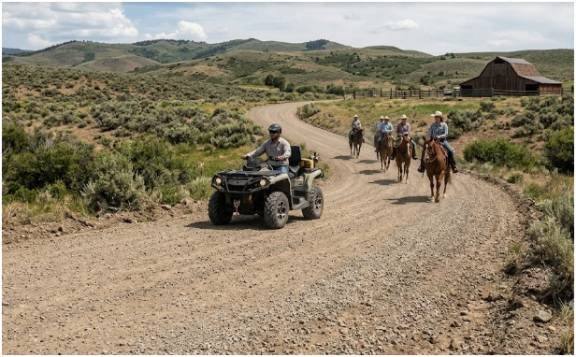
In rugged environments, surface movement becomes more than a nuisance. It can affect traction, accessibility, and long-term usability. A ranch path or trail network needs to hold up under repeated use without constantly washing out or drifting sideways. Chat rock is often a better fit than loose decorative stone because it is designed to stay where it is placed once compacted.
That makes it especially useful for applications where a natural appearance is important, but the surface still has to perform under real pressure. One Source Materials offers specialized materials such as Maverick Crusher Fines for ranch and trail applications, which reflects how specific these use cases can be.
Why Compaction Changes the Decision
The major advantage of chat rock is not that it looks like gravel. It is that it behaves differently after installation. The fine stone dust mixed with small stone particles creates a surface that can pack tightly, especially when installed and compacted correctly. That tighter structure creates a firmer walking surface and reduces the constant shifting associated with loose aggregate.
This is one reason decomposed granite is often treated as a gold standard for natural paths. It compacts well and creates a refined, stable surface. Chat and crusher fines serve a similar purpose in many landscape and trail applications, especially when the goal is a durable, natural-looking finish.
With One Source Materials, that compactibility is not accidental. It is the point. Their material selection includes blends suited to different visual tones and performance needs, from earthy browns to slate grays and golden hues. That gives project planners a way to balance function and aesthetics without sacrificing one for the other.
A Smoother Surface Does Not Mean a Softer Standard
Some buyers assume a more compactible product is simply a softer version of gravel. In practice, it is usually the opposite. A properly compacted chat surface can be more demanding in the right way: it is more intentional, more defined, and better suited to structured use.
That makes it a more practical option when surface quality matters. You are not just filling space. You are building a finish layer that is expected to hold shape and support use.
How to Decide Between Chat Rock, Pea Gravel, and Crushed Stone
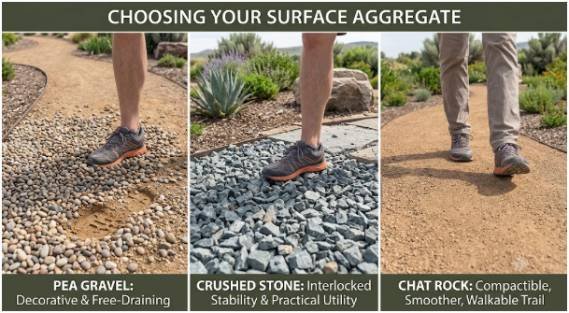
The right choice depends on what the surface needs to do every day, not just on installation day. If the goal is a decorative layer that stays loose and drains well, pea gravel may still make sense. If you want angular aggregate with a more traditional crushed look, crushed stone may be the better fit. But when the surface must compact, remain walkable, and hold a cleaner line, chat rock is usually the smarter call.
A simple way to think about it is this:
- Choose pea gravel when aesthetics and drainage matter more than stability.
- Choose crushed stone when you need an angular, general-purpose aggregate.
- Choose chat rock when you want a compactible, smoother, more stable surface.
The distinction becomes even clearer when you look at project intent. A garden bed border may not need compactibility. A patio approach almost certainly does. A casual decorative bed can tolerate movement. A trail used every day should not.
One Source Materials is especially useful here because they do not treat all aggregate as interchangeable. Their crusher fines and chat selection gives project owners a more specific tool for surfaces that need to perform, not just decorate.
What Good Installations Get Right
Even the right material will underperform if it is used the wrong way. Chat rock works best when the base, depth, and compaction strategy match the application. A patio sub-base, for example, has different demands than a simple pathway. A trail section exposed to runoff will need more attention than a sheltered courtyard edge.
The most successful projects usually account for three things:
- Base preparation that supports the finished surface
- Proper compaction so the material locks in
- Edge restraint where lateral movement would be a problem
That is why it helps to think of chat rock as a performance material rather than a decorative afterthought. It is chosen for behavior first, appearance second. When those two align, the result feels deliberate and durable.
The Long-Term Value Is Fewer Corrections and Better Daily Use
The real advantage of chat rock shows up after the install. Loose gravel often needs regular redistribution, edging correction, or topping up. That may be acceptable in some decorative applications, but it becomes expensive in terms of time and frustration when the surface is used every day.
Chat rock reduces that burden by creating a more settled finish. It is easier to maintain, more comfortable to walk on, and better suited to spaces where the surface should feel stable rather than shifting. For high-use landscapes, that difference is not small. It changes how the space functions.
One Source Materials positions its crusher fines and chat as practical, high-quality solutions for exactly this reason. They are not trying to replace every aggregate with one product. They are helping customers choose the material that actually fits the job. That is the strategic value of chat rock: it gives you a surface that works with the use case instead of fighting it.
When the project calls for stability, walkability, and a natural finish, chat rock is often the better answer than pea gravel or standard crushed stone. The best installations are not those with the most material. They are the ones with the right material in the right place.