
 By Julien Dubois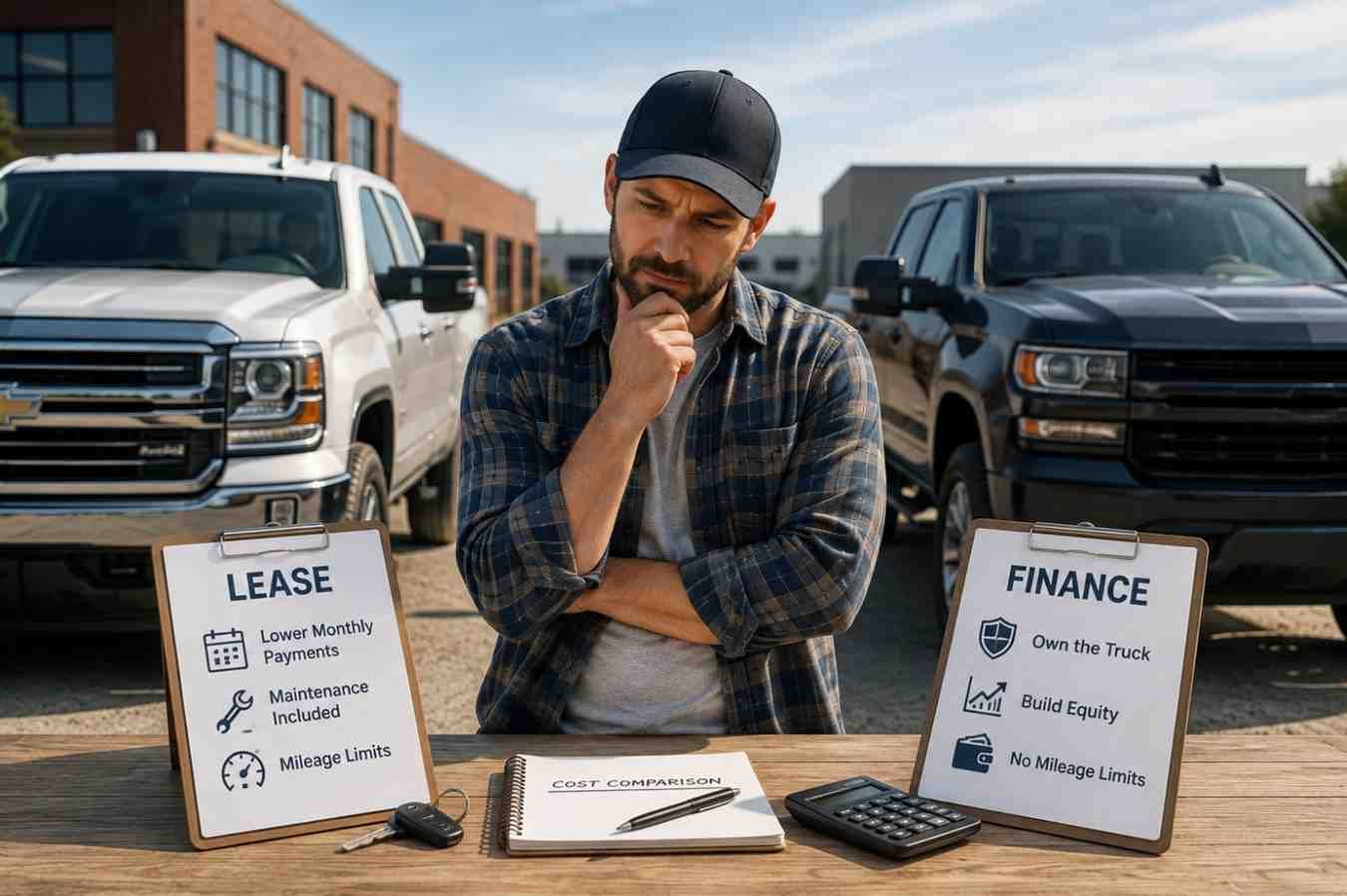
The monthly payment is the number everyone fixates on, but it’s rarely the number that decides whether leasing or financing was the smarter move. Money leaves your pocket differently under each arrangement — different amounts, different timing, different reasons — and by the time the paperwork is done, that difference can add up to thousands of dollars. Trucks make this gap especially noticeable, since full-size models carry steeper price tags and steeper depreciation than your average sedan.
If you’re cross-shopping something like a Tundra lease against a straight auto loan, you’re really choosing between two different mindsets: paying for temporary use of a truck, or paying your way toward owning one outright. You won’t know which makes sense for you without looking past the first month’s payment.
What You Pay Upfront

Leasing gets marketed heavily on low cash-at-signing, and that’s usually accurate. If you are looking into Tundra lease deals at Toyota of Boerne, you might put down a smaller “cap cost reduction,” plus a security deposit, an acquisition fee, and your first payment — all due before you drive off. Financing tends to ask for more upfront, often a bigger down payment, but unlike lease money, that cash actually builds equity instead of just shrinking a payment.
Taxes throw another wrinkle into the comparison, and it depends heavily on where you live. Some states tax a financed vehicle’s full purchase price right away, while lease taxes often get spread out, calculated only against the monthly payment. Depending on your state, that could push a good chunk of your tax bill later into the lease term — or shrink it in a way a loan simply can’t.
Why the Monthly Numbers Look So Different
A lease payment is built around the truck’s expected depreciation over the lease term, plus a financing charge (the “money factor”) and various fees. Since you’re only paying for the chunk of the truck’s value you’ll actually use up, the payment usually comes in lower than a loan on the same vehicle.
A loan, on the other hand, is structured to pay off the whole purchase price plus interest, typically spread across 60 to 72 months. That means a bigger monthly hit — but every payment chips away at debt on something you’ll eventually own free and clear.
The Long Game: Total Cost
This is where leasing’s early advantage starts to unravel. Lease payments feel manageable individually, but they never actually go away — roll into a new lease when the old one ends, and you’re just resetting the clock on a payment that continues indefinitely. A loan has a finish line. Once it’s paid off, you’re only covering insurance, maintenance, and gas, which makes ownership dramatically cheaper per year if you hold onto the truck for five, seven, or more years.
Mileage Caps and the Wear-and-Tear Trap
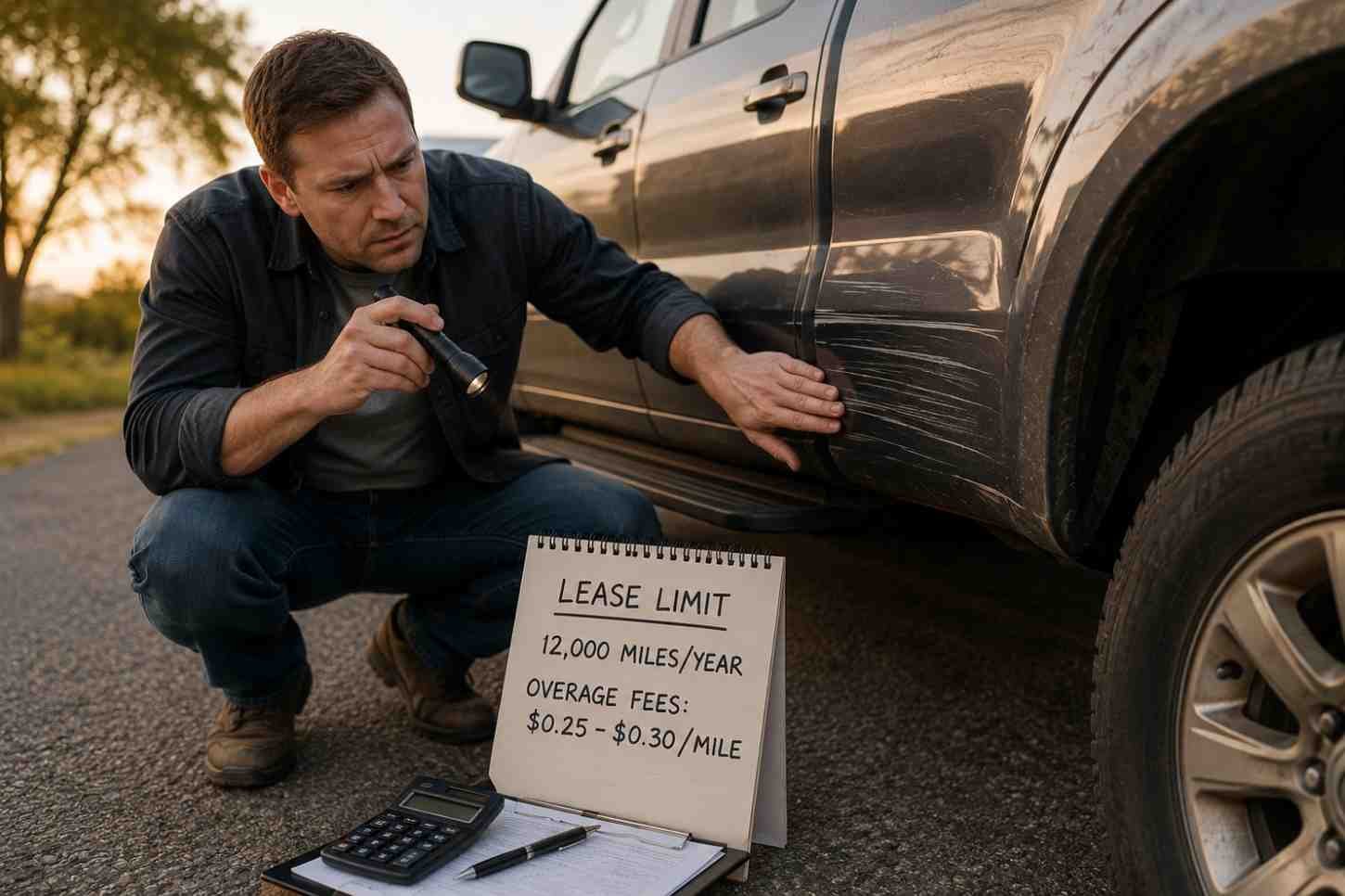
Leases typically cap you at 10,000 to 15,000 miles a year, and going over triggers a per-mile penalty — often 15 to 25 cents a mile. If you’re towing, hauling, or just driving a lot for work, those limits disappear fast, and what looked like a great monthly rate turns into a surprise bill at lease-end. Then there’s excess wear-and-tear — dents, worn tires, interior scuffs — none of which matters if you own the truck outright.
Equity vs. Walking Away Clean
Every payment on a loan builds equity you can cash in when you sell or trade the truck later. However, the downside of this is that you bear the risk of any depreciation in the value of the truck that occurs sooner than you had thought it would happen. In leasing, however, the risk of any depreciation falls on the leasing company and you end up with nothing.
Maintenance and Warranty Timing
Leases are typically structured to coincide with the factory warranty period and thus keep repairs relatively low. Owned trucks eventually age out of that coverage, leaving you to handle maintenance and repairs yourself — a cost that creeps up over time, though by then you’re likely not making any payment at all. As vehicles age, learning basic maintenance tasks, such as how to change a car battery, can also help reduce ownership costs and keep your truck on the road with fewer unexpected service visits.
Which One Actually Fits You

Leasing is the way to go if you prefer a new vehicle every few years, know your expenses will be consistent, and don’t drive many miles. Financing will be more appropriate for someone who wants to own the vehicle for some time and use it to tow or haul things.
There isn’t one correct solution; there is your correct solution based on the way you will use the truck. If lower payments and regular upgrades appeal to you, checking out tundra lease deals at toyota of boerne is worth a look. If long-term equity and lower lifetime cost matter more, financing will likely win out. Either way, run the numbers against your real annual mileage and how long you actually plan to keep the vehicle before you sign anything.