
 By Julien Dubois
We’ve all been there. You open a bottle of wine, pour yourself a glass, and think, “Do I really need to put the rest of this in the fridge?” Or maybe you’ve bought a fancy cream liqueur and are wondering if it needs to stay cold.
Trust me, I’ve asked myself these questions too! Proper storage can make all the difference when it comes to preserving the freshness and flavors of your favorite drinks.
Let’s break it down in a simple, actionable way so you know exactly what alcohol should be refrigerated and why. By the end of this post, you’ll be a pro at storing your drinks in a way that keeps them tasting just as good as the first pour.
Why Does Alcohol Need to Be Refrigerated?
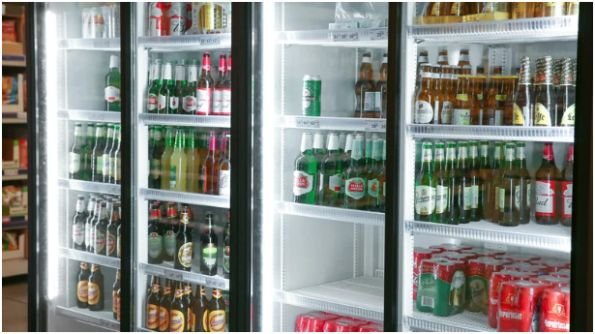
You might wonder why some alcohols need the fridge while others don’t. It all boils down to the ingredients and alcohol content (ABV). Alcohols with lower ABV (under 20%) and wine-based drinks tend to spoil faster once opened.
Storing them at the right temperature slows down the oxidation process (the thing that makes them go bad), and keeps bacteria from growing. Plus, some drinks are just better cold—think about that refreshing glass of chilled rosé!
Let’s look at which drinks need refrigeration and which ones can hang out at room temperature.
What Alcohol Should Be Refrigerated After Opening?
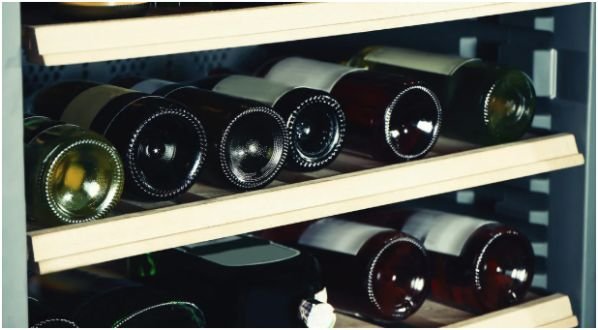
1. Wine-Based Products: The Low-ABV Essentials
Wine and its relatives—vermouth, fortified wines, and aperitifs—are among the first to hit the fridge once opened. These alcohols, especially those under 20% ABV, start to oxidize pretty quickly. That means they lose their flavor, aroma, and freshness after a few days if left exposed to air at room temperature.
Here’s the deal:
- Wine: Yes, all types—red, white, rosé, sparkling—should be refrigerated after opening. The cold helps slow oxidation and preserves those fruity, vibrant flavors.
- Vermouth: Both sweet and dry vermouths should go in the fridge. These are wine-based and will spoil fast if left out.
- Fortified Wines: This includes Port, Sherry, Marsala, and Madeira. Although these have higher alcohol content, they still benefit from refrigeration to maintain their best taste.
- Aperitifs: Drinks like Lillet and Cocchi Americano, which are wine-based, also need a chill to keep them from going flat.
2. Cream Liqueurs: Keeping the Dairy Fresh
Cream liqueurs, such as Baileys or Amarula, contain dairy, and that’s exactly why they should be refrigerated after opening. Sure, the alcohol and sugar act as preservatives, but dairy can go bad if it’s not stored properly. Not to mention, most people prefer these cold anyway—think about how smooth Baileys tastes over ice!
3. Opened Beer and Cider: Keep ‘Em Cold, Keep ‘Em Fresh
When it comes to beer and cider, refrigeration is key to preserving that freshness and preventing the drinks from going flat. Beer especially, once opened, loses carbonation pretty fast, so putting it in the fridge will help keep it fizzy for longer.
What Alcohol Should You Leave at Room Temperature?

1. High-Proof Spirits: Your Whiskey, Vodka, and Gin
Now, here’s the good news. Hard liquors—like vodka, gin, whiskey, rum, and tequila—don’t need refrigeration. These spirits have a high alcohol content (usually around 40% ABV or more), which naturally preserves them. Storing them in a cool, dark place is perfectly fine. If you like your vodka chilled for that extra smooth shot, pop it in the freezer—but there’s no need to make this a rule.
2. Sweet Liqueurs: Enjoy Cold, but Not Essential
Liqueurs like Jägermeister, Kahlúa, and Limoncello are best served cold for that refreshing experience. They’re not required to be stored in the fridge, but chilling them enhances the flavor and smoothness. So, it’s really about personal preference here!
How to Store Opened Alcohol: Simple, Actionable Tips
When storing your opened bottles, the goal is to minimize oxygen exposure and prevent spoilage. Here’s how I do it:
1. Minimize Oxygen Exposure
- Re-cork or Seal Immediately: After pouring, don’t leave the cork out! Put it back in or use a suitable stopper. If you have a bottle with a screw cap, use it! Always make sure the cork goes back in with the stained side down (the side that touched the wine). It avoids contaminating the rest of your drink.
- Store Upright: Store your bottles standing up. This reduces the surface area exposed to the air inside the bottle, slowing oxidation. For wine especially, it’s crucial.
- Transfer to Smaller Containers: If you’re left with half a bottle, transfer the remaining alcohol into a smaller container. Fill it up as much as possible to minimize air space.
2. Use Preservation Devices
- Vacuum Pumps: A vacuum pump, like the Vacu Vin, is a great tool for preserving wine. It removes the air from the bottle before sealing it, helping slow down oxidation.
- Inert Gas Systems: Consider using products like Private Preserve or Coravin, which inject an inert gas (such as argon) into the bottle. This creates a protective layer over the wine, keeping it fresh and flavorful.
3. Control Temperature and Environment
- Cool, Dark Storage: Keep all your opened alcohol in a cool, dark place away from sunlight and heat sources like ovens or radiators. These elements speed up the degradation process.
- Avoid Vibration: Vibration can disturb the wine’s natural balance and negatively impact the flavor, so keep your bottles in a stable, quiet environment.
Frequently Asked Questions (FAQ)
1. How long can I keep opened wine in the fridge?
Generally, opened wine can last anywhere from 3 to 5 days in the fridge. However, wines with higher acidity (like white or rosé) tend to last a bit longer than reds. Just make sure to reseal them properly and minimize air exposure to keep them fresh.
2. Should I refrigerate opened sparkling wine?
Yes! Once you open a bottle of sparkling wine, it loses its fizz quickly. To keep it bubbly for a day or two, always refrigerate it and make sure it’s tightly corked or sealed with a wine stopper.
3. Can I store cream liqueurs at room temperature?
While some cream liqueurs have preservatives, it’s always a good idea to refrigerate them after opening to maintain freshness, especially if you’re not going to consume them quickly. It helps maintain the flavor and texture.
4. Can I leave whiskey or vodka out at room temperature?
Absolutely! Whiskey, vodka, and most hard liquors don’t require refrigeration. They’re shelf-stable due to their high alcohol content. However, if you prefer your vodka extra cold for shots, pop it in the freezer!
Chill Out, But Keep It Fresh: Your Alcohol Storage Best Friend
It’s all about finding that perfect balance. Store what needs refrigeration, and let the high-proof stuff relax at room temperature. Whether you’re a wine enthusiast, a cream liqueur lover, or a fan of sweet liqueurs, a little bit of effort in storing your drinks properly will pay off.
And here’s a tip I swear by: If you’re unsure about whether to refrigerate something, check the ABV! Anything under 20%? Yep, that’s fridge territory. Cheers to keeping your drinks fresh and fabulous!