
 By Julien Dubois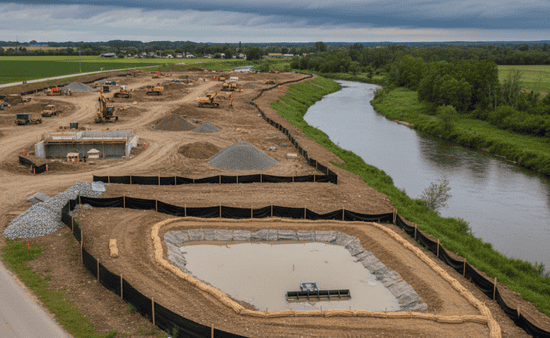
A Stormwater Pollution Prevention Plan (SWPPP) is a vital document used to protect water quality during construction and industrial projects. It outlines strategies to manage and treat stormwater runoff, preventing pollutants from reaching nearby waterways. In regions where rivers, streams, and groundwater are essential for public health and agriculture, these plans are both a regulatory necessity and a community responsibility. This article explores the components of a SWPPP, why it is essential, and how proper planning ensures regulatory compliance and long-term project success.
What Is a Stormwater Pollution Prevention Plan?
A Stormwater Pollution Prevention Plan (SWPPP) is a site-specific document that identifies potential pollution sources and outlines measures to control them. Its primary focus is managing runoff from rain or snowmelt, which can otherwise carry pollutants like sediment, chemicals, and debris into storm drains and natural waterways. A standard SWPPP contains site maps, descriptions of construction activities, a list of potential pollutants, erosion and sediment control practices, and schedules for inspection and maintenance. The objective is to prevent contamination proactively, rather than reacting to environmental damage.
Why Stormwater Management Matters
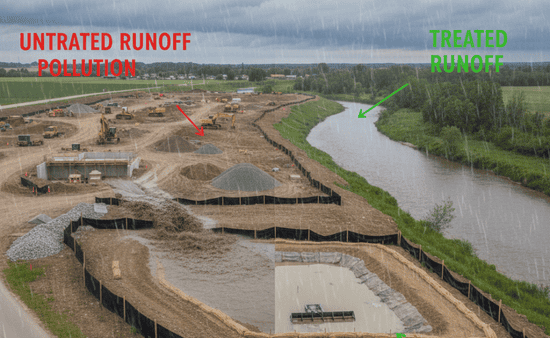
Stormwater runoff is a leading cause of water pollution in the United States. During construction, disturbed land and loose soil are easily carried away by rain. This sediment can clog streams, harm aquatic life, and degrade water quality for downstream users. Effective stormwater planning is crucial for protecting local ecosystems, preserving drinking water, and supporting public health. It also helps project owners avoid regulatory fines, expensive cleanup efforts, and construction delays. Furthermore, a well-managed site operates more efficiently and demonstrates environmental responsibility. Ultimately, responsible stormwater management benefits both the environment and the long-term success of a project.
Who Needs a SWPPP?
Most construction projects disturbing one acre or more of land are required to have a Stormwater Pollution Prevention Plan (SWPPP). Smaller projects may also need a SWPPP if they are part of a larger development or located near sensitive water resources. Similarly, industrial facilities that expose materials or operations to stormwater often have the same requirement. Agencies like the Idaho Department of Environmental Quality provide oversight to ensure compliance with water quality standards. Determining if your project requires a SWPPP is a critical first step before breaking ground.
Key Components of an Effective SWPPP
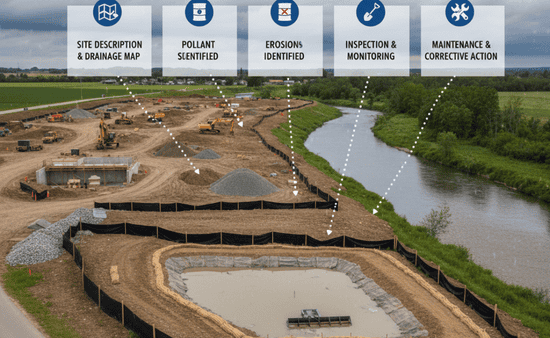

An effective stormwater pollution plan is more than a checklist. It is a living document that evolves as site conditions change. Core components typically include:
- A detailed site description and drainage map
- Identification of potential pollutant sources
- Erosion and sediment control practices
- Stormwater management controls
- Inspection and monitoring schedules
- Maintenance and corrective action procedures
Each element reduces risk and ensures compliance. Clear roles and responsibilities help everyone understand their part in protecting water quality. Consistent follow-through makes these components effective in real-world conditions.
The Role of Training and Certification
Implementing a SWPPP effectively requires specialized knowledge, making SWPPP certification in Idaho a vital asset. These certification programs ensure that project managers, inspectors, and site operators clearly understand regulatory requirements and best practices for stormwater control. Proper training facilitates accurate inspections, timely maintenance, and thorough documentation, significantly reducing the risk of violations due to oversight. Certified professionals are also better prepared to adapt plans as site conditions change, protecting water resources throughout a project’s lifecycle. Ultimately, education strengthens both regulatory compliance and environmental stewardship.
Common Mistakes to Avoid
Even with the best intentions, stormwater projects can fail if planning is treated as a one-time effort. Common mistakes include neglecting to update plans, skipping inspections, ignoring maintenance, or misusing controls. Poor documentation is another frequent issue—missing records can cause compliance problems, even when controls are in place. Regular reviews and clear communication among team members can prevent these problems from escalating. Paying attention to details helps avoid turning minor issues into costly setbacks.
Long-Term Benefits of Proper Stormwater Planning
Beyond mere compliance, a well-structured stormwater pollution plan delivers significant long-term value. It promotes sustainable development by protecting natural resources, which in turn builds trust with regulators and the community. Projects with effective stormwater management typically encounter fewer disruptions and benefit from smoother operations. Furthermore, thoughtful planning demonstrates a commitment to environmental responsibility, enhancing a company’s reputation and streamlining future project approvals. Protecting water quality today is an investment in healthier communities for tomorrow.