
 By Julien Dubois
Selling a home is as much about marketing a lifestyle as it is about selling a physical structure. When potential buyers walk through the door, they aren’t just looking at walls and floors; they are trying to envision their future unfolding within those spaces.
In a competitive real estate market, an open house is your prime opportunity to make a lasting first impression. It’s the moment your property moves from a digital listing to a tangible reality. However, simply unlocking the front door isn’t enough to secure offers.
To truly captivate buyers and drive high-impact results, meticulous preparation is non-negotiable. By following a strategic approach to prepping your home, you can significantly increase the perceived value of the property and reduce the time it sits on the market.
1. Depersonalize and Declutter to Create a Blank Canvas
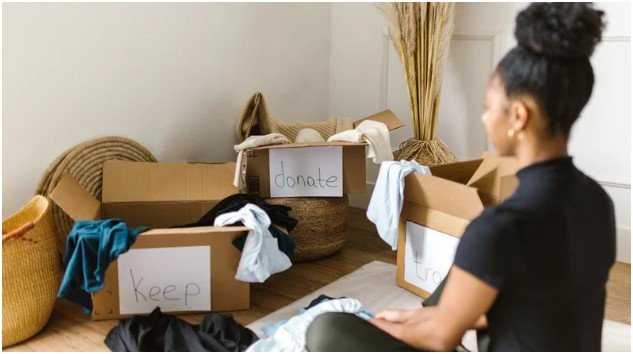
The psychological goal of an open house is to allow the buyer to mentally move in. This becomes incredibly difficult if they are constantly reminded that the home belongs to someone else.
Personal photographs, unique collections, diplomas, and highly specific artwork can act as mental roadblocks. Start by packing away these personal items. It’s not just about removing identity; it’s about creating space and allowing the buyer’s imagination to take over.
Clutter is the enemy of equity. Countertops covered in appliances, closets stuffed to the brim, and floors interrupted by excess furniture make a home feel smaller and less functional. Buyers will open cupboards and drawers, so organizing these spaces is crucial.
Aim to reduce the contents of your closets by half to create the illusion of ample storage. Clear off surfaces in the kitchen and bathroom entirely, leaving only one or two decorative items. By stripping away the excess, you allow the architectural features and square footage of the home to speak for themselves.
2. Execute a Top-to-Bottom Deep Clean
Cleanliness is perhaps the single most critical factor in a buyer’s immediate assessment of a home’s condition. A dirty home suggests deferred maintenance and potential hidden issues. This step goes far beyond a routine Saturday morning tidy-up. We are talking about scrubbing baseboards, polishing light fixtures, washing windows inside and out, and ensuring appliances look brand new.
Pay special attention to high-traffic areas and bathrooms, as these are scrutinized the most. Grout lines should be scrubbed, and carpets should be professionally shampooed to remove stains and odors. If your schedule is tight or the job feels too large to tackle alone, hiring professionals can be a game-changer.
For homeowners in Northern Utah, for example, arranging a house deep cleaning in Ogden ensures that even the hard-to-reach areas are spotless. A pristine home implies that the property has been well-loved and meticulously maintained, which builds immediate trust with potential buyers.
3. Tackle Minor Repairs and Maintenance
Buyers have a sharp eye for neglect. A dripping faucet, a loose cabinet handle, a burnt-out lightbulb, or a squeaky door hinge might seem minor to you, but to a buyer, they form a “to-do” list that translates into lower offers. Before opening your doors to the public, walk through your home with a critical eye—or ask a friend to do it for you—to identify these small imperfections.
Patch up holes in the walls from artwork, touch up scuffed paint, and fix running toilets. If you have bold paint colors, consider repainting with neutral tones like soft grays, whites, or beiges. These colors appeal to the widest demographic and help bounce light around the room. Taking care of these minor maintenance tasks removes potential friction points and assures buyers that they won’t be inheriting a headache.
4. Enhance Curb Appeal to Set the Tone
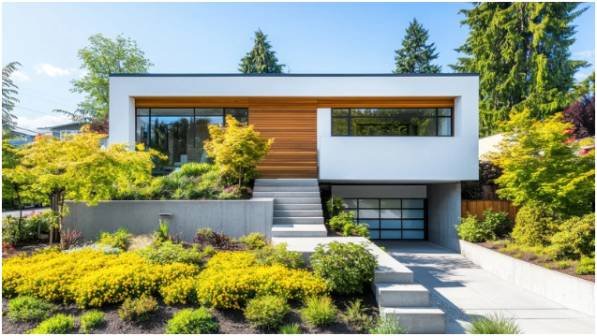
The buying experience begins the moment a prospect pulls up to the curb. If the exterior is uninviting, they will carry that negative bias inside with them. Enhancing curb appeal doesn’t always require expensive landscaping projects; often, simple maintenance makes the biggest difference. Ensure the lawn is freshly mowed, edges are trimmed, and weeds are pulled.
Inspect your front door—it is the focal point of the entry. A fresh coat of paint in a welcoming color, polished hardware, and a new welcome mat can work wonders. Ensure the house number is visible and clean. If you have a porch, add a potted plant or two to add a touch of life and color.
Power washing the driveway and walkways can also instantly brighten the exterior appearance. You want the home to look proud and inviting from the street, signaling to buyers that this is a property worth entering.
5. Curate the Sensory Experience
Once the visual aspects are handled, consider the other senses. A high-impact open house appeals to sight, smell, and hearing. Lighting is paramount; a dark home feels small and depressing. Open all blinds and curtains to let natural light flood in, and turn on all overhead lights and lamps, even during the day while maintaning home privacy. This makes the space feel airy and welcoming.
Smell is a powerful emotional trigger. Avoid heavy air fresheners, which can make buyers suspicious that you are masking odors. Instead, opt for subtle, clean scents or the classic trick of baking cookies or brewing coffee just before the event. Finally, consider the auditory environment.
Playing soft, instrumental background music can fill awkward silences and encourage buyers to linger longer, making the tour feel more like an experience and less like an inspection.
Preparing for an open house is an investment of time and effort that pays dividends at the negotiating table. By stripping away the personal, ensuring absolute cleanliness, repairing the small details, polishing the exterior, and setting the right mood, you transform a house into a desirable product. These steps help buyers see the full potential of the property, paving the way for a quicker sale and a higher closing price.