
 By Julien Dubois
I didn’t always think about digestion until mine stopped feeling “normal.” Bloating after simple meals, unpredictable bowel movements, and that heavy, sluggish feeling became common. What surprised me most? It wasn’t about cutting everything out. It was about balance.
Digestive comfort and gut stability don’t come from extreme diets or expensive supplements. They come from consistent nutrition habits, steady hydration, and understanding how your gut actually works. Once I shifted from restriction to balance, everything changed: energy, regularity, even mood.
What Digestive Comfort Really Means

A healthy gut isn’t just about avoiding discomfort. It shows up in subtle ways: regular bowel movements, minimal bloating or gas, and efficient nutrient absorption. When your gut feels stable, meals don’t leave you feeling inflamed or exhausted.
Many people searching for nutrition tips for digestive comfort are really asking one thing: How do I eat in a way that keeps my gut steady long term?
The answer starts with fiber, hydration, and mindful habits, not elimination.
Prioritize Fiber But Do It the Smart Way
Fiber plays a central role in gut stability and nutrition. Most adults need roughly 25–38 grams daily, yet many fall short. The key isn’t just eating more fiber; it’s balancing types and increasing gradually.
Soluble fiber, found in oats, beans, apples, and berries, forms a gel-like texture in the gut. That gel feeds beneficial bacteria and supports the gut microbiome. Insoluble fiber, found in vegetables and whole grains, acts like a mover. It helps food pass smoothly through the digestive tract.
If you increase fiber too quickly, you’ll likely experience bloating. I learned that the hard way. Add 3-5 grams at a time, increase water intake, and give your gut a week to adjust.
A digestive comfort diet isn’t about extremes. It’s about steady, sustainable increases.
Hydration Is Non-Negotiable

Fiber without water can make things worse. Hydration softens stool and allows fiber to function properly. Adults generally benefit from around 6–8 glasses of water daily, though activity level and climate matter.
Many digestive complaints labeled as “gut issues” are really dehydration plus low fiber.
I noticed a simple shift: when I drank water consistently instead of chugging it at night, digestion felt smoother and more predictable. Hydration for digestion is often underestimated, but it directly impacts regularity and comfort.
Probiotics, Prebiotics, and Gut Stability
Your gut microbiome thrives on diversity. Probiotics introduce beneficial bacteria, while prebiotics feed them.
Probiotic foods for gut support include yogurt with live cultures, kefir, kimchi, and sauerkraut. Prebiotic and probiotic foods work best together. Garlic, onions, bananas, asparagus, and oats provide fuel for healthy bacteria.
Instead of relying immediately on supplements, start with food. Fermented foods for gut stability offer both nutrients and live cultures in a natural form. Adding one serving daily can gradually improve digestive wellness.
Choose Lean Proteins and Supportive Fats
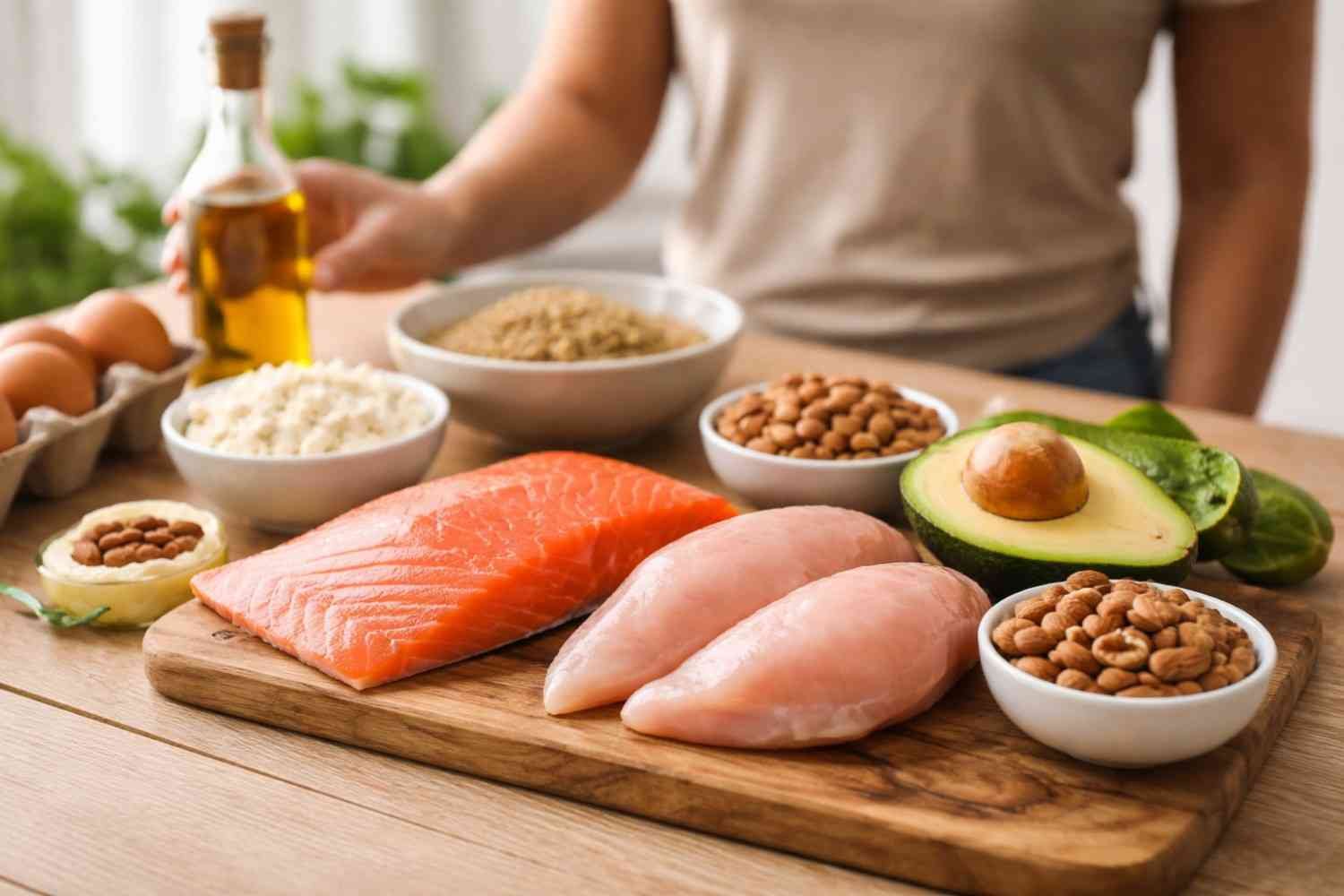
Protein affects digestion more than most people realize. Heavy, high-fat red meats can slow gastric emptying and trigger discomfort in some individuals.
Lean options like chicken, fish, tofu, and legumes feel lighter and easier to digest. Healthy fats, such as avocado, olive oil, and walnuts, reduce gut inflammation and support nutrient absorption.
Balanced nutrition tips for digestive comfort aren’t about removing entire food groups. They’re about choosing combinations that work with your digestive system, not against it.
Mindful Eating: The Overlooked Factor
Digestion begins in the mouth. Chewing thoroughly reduces the workload on your stomach and minimizes swallowed air, which can cause bloating.
When I started slowing down meals, even just 10 extra minutes, bloating reduced noticeably. Mindful eating tips aren’t trendy wellness talk. They’re physiological. Proper mastication triggers enzyme release and improves nutrient breakdown.
Consistent meal timing also matters. Eating at regular intervals helps regulate digestive enzymes and supports a steady gut rhythm. Erratic eating patterns often create instability.
Foods That Support Gut Stability

Instead of focusing on restriction, build meals around gut-friendly staples:
- Whole grains like oats, brown rice, and quinoa support colon function.
- Leafy greens such as spinach and kale provide magnesium and natural plant compounds that feed beneficial bacteria.
- Healthy fats like olive oil and avocado help reduce inflammation.
- Soothing options such as ginger or peppermint tea can calm occasional nausea or bloating.
These foods for gut health work best when combined into balanced meals rather than eaten in isolation.
Avoid Common Digestive Disruptors
Highly processed foods, excessive caffeine, and artificial sweeteners often disrupt gut microbiome balance. Many people notice increased gas or bloating after consuming large amounts of sugar alcohols or ultra-processed snacks.
Instead of eliminating everything at once, identify patterns. Keep meals simple for a week and observe how your body responds. Improve digestion naturally by adjusting portions and preparation methods before assuming intolerance.
Lifestyle Habits That Stabilize Your Gut

Nutrition alone won’t create digestive comfort if lifestyle remains chaotic.
Chronic stress affects the gut-brain axis and may contribute to symptoms like acid reflux or IBS-like discomfort. Simple practices such as deep breathing, walking, or yoga regulate the nervous system.
Sleep plays a larger role than most realize. Your gut microbiome follows a circadian rhythm. Aim for 7–9 hours nightly to support digestive repair.
Light movement after meals, even a short walk, stimulates the digestive tract and helps food move efficiently. Regular movement consistently supports the gut microbiome.
Frequently Asked Questions (FAQs)
1. How much fiber do I need for digestive comfort?
Most adults benefit from 25–38 grams daily. Increase gradually and pair fiber with adequate hydration to avoid bloating.
2. Are probiotic supplements necessary?
Not always. Many people can improve gut stability through probiotic foods like yogurt, kefir, and fermented vegetables before considering supplements.
3. What causes bloating even with a healthy diet?
Rapid increases in fiber, dehydration, stress, or eating too quickly often trigger bloating. Slowing down and adjusting fiber intake usually helps.
4. How long does it take to improve gut stability?
Many people notice changes within 1–3 weeks when consistently improving fiber intake, hydration, and mindful eating habits.
Final Thoughts
Digestive comfort isn’t about chasing perfection. It’s about creating consistency. When you prioritize balanced fiber intake, steady hydration, lean proteins, and supportive habits, your gut begins to stabilize naturally. You don’t need to overhaul your entire diet overnight. Small, intentional shifts compound over time. Most digestive discomfort comes from an imbalance, not from a single food.
Build meals around whole foods, listen to your body, and give changes time to work. Your gut responds best to rhythm, not extremes.