
 By Julien Dubois
If you’ve been craving fresher produce, lower grocery bills, or a relaxing outdoor hobby, learning how to start a vegetable garden is a great place to begin. Growing your own vegetables is surprisingly simple when you break the process into manageable steps. By planning carefully, choosing the right location, improving your soil, and staying consistent with maintenance, you can grow a productive garden even as a first-timer.
Whether you’re working with a backyard, patio, or small raised bed, these beginner-friendly steps will help you build a garden that thrives all season.
Why Start a Vegetable Garden
Growing vegetables at home gives you fresher, more flavorful produce and a deeper connection to your food. It also encourages healthier eating, saves money, and provides a calming daily routine. Even a small, well-planned garden can supply a steady harvest through the growing season.
Plan Your Garden and Start Small
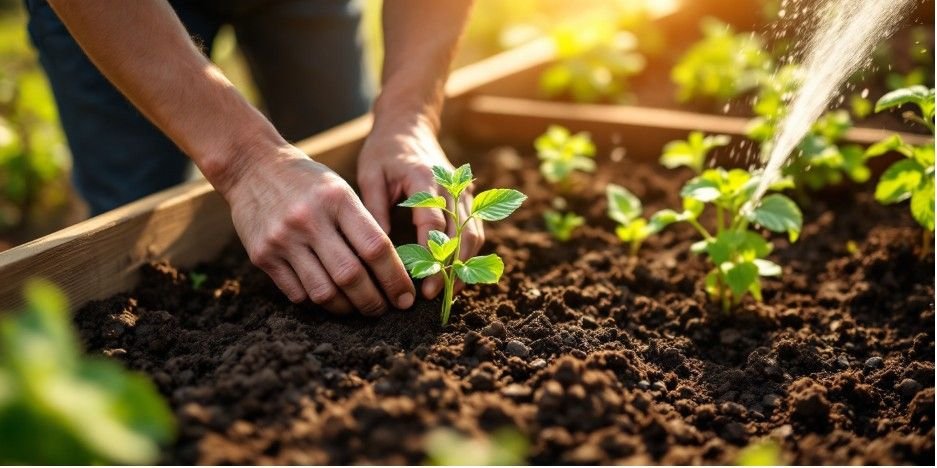
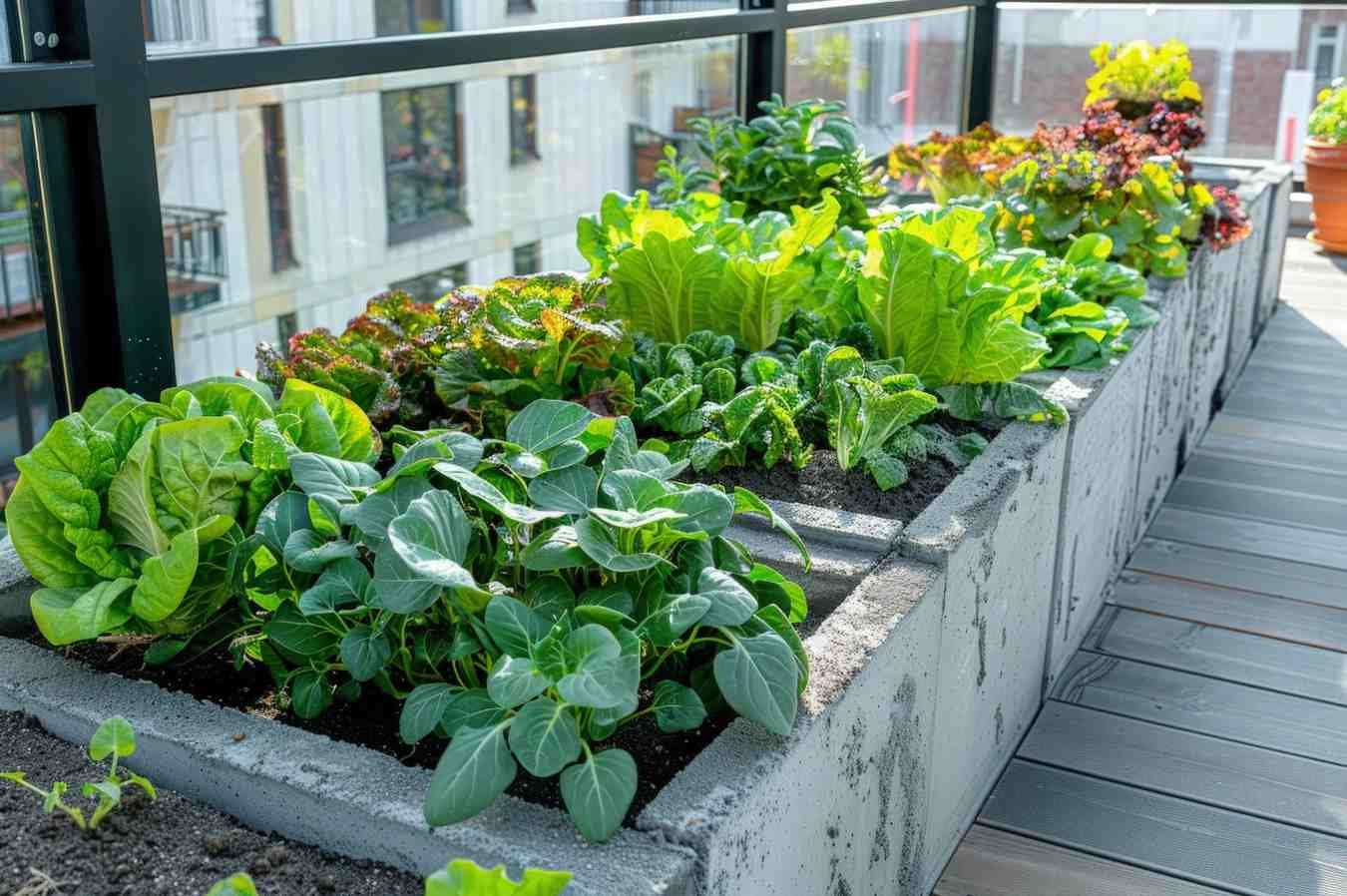
Planning is the true starting point for anyone learning how to start a vegetable garden. Begin with a simple layout that matches your space and experience level. Raised beds offer excellent drainage and soil management, while in-ground rows are ideal if you have plenty of space. Containers work well on patios or balconies.
Start small so you do not feel overwhelmed. A beginner garden around 50 to 75 square feet is manageable and gives you room to learn without constant upkeep. Choose vegetables you actually enjoy eating, such as lettuce, bush beans, cucumbers, and tomatoes. These plants are productive and forgiving, making them excellent choices for new gardeners.
Choose the Best Garden Location
Selecting the right spot is essential for success. Most vegetables need at least 6 to 8 hours of direct sunlight daily, so observe your yard throughout the day and choose the sunniest area available. Make sure the garden is close to a water source to simplify daily watering.
Avoid planting near large trees or shrubs with deep, aggressive root systems, as they can steal moisture and nutrients. If deer, rabbits, or groundhogs are common in your area, consider adding fencing or mesh around the garden to protect young plants.
Prepare the Soil Correctly
Healthy soil is the foundation for a productive vegetable garden. Begin by clearing the area of grass, weeds, and debris. You can dig them out manually or smother them using cardboard or newspaper for several weeks before planting.
A soil test will give you important information about pH and nutrient levels, helping you decide which amendments to add. Most vegetables grow best in soil with a pH between 6.0 and 7.0. Incorporate a few inches of compost into the top layer to improve structure, drainage, and fertility. If you are using raised beds, fill them with a high-quality mix of topsoil and compost.
Plant Your Vegetables at the Right Time
Timing matters when learning how to start a vegetable garden. Always read seed packets or use online planting calendars for your USDA Hardiness Zone. Cool-season vegetables like lettuce and peas grow well in early spring or fall, while warm-season crops like tomatoes and peppers need warmer temperatures.
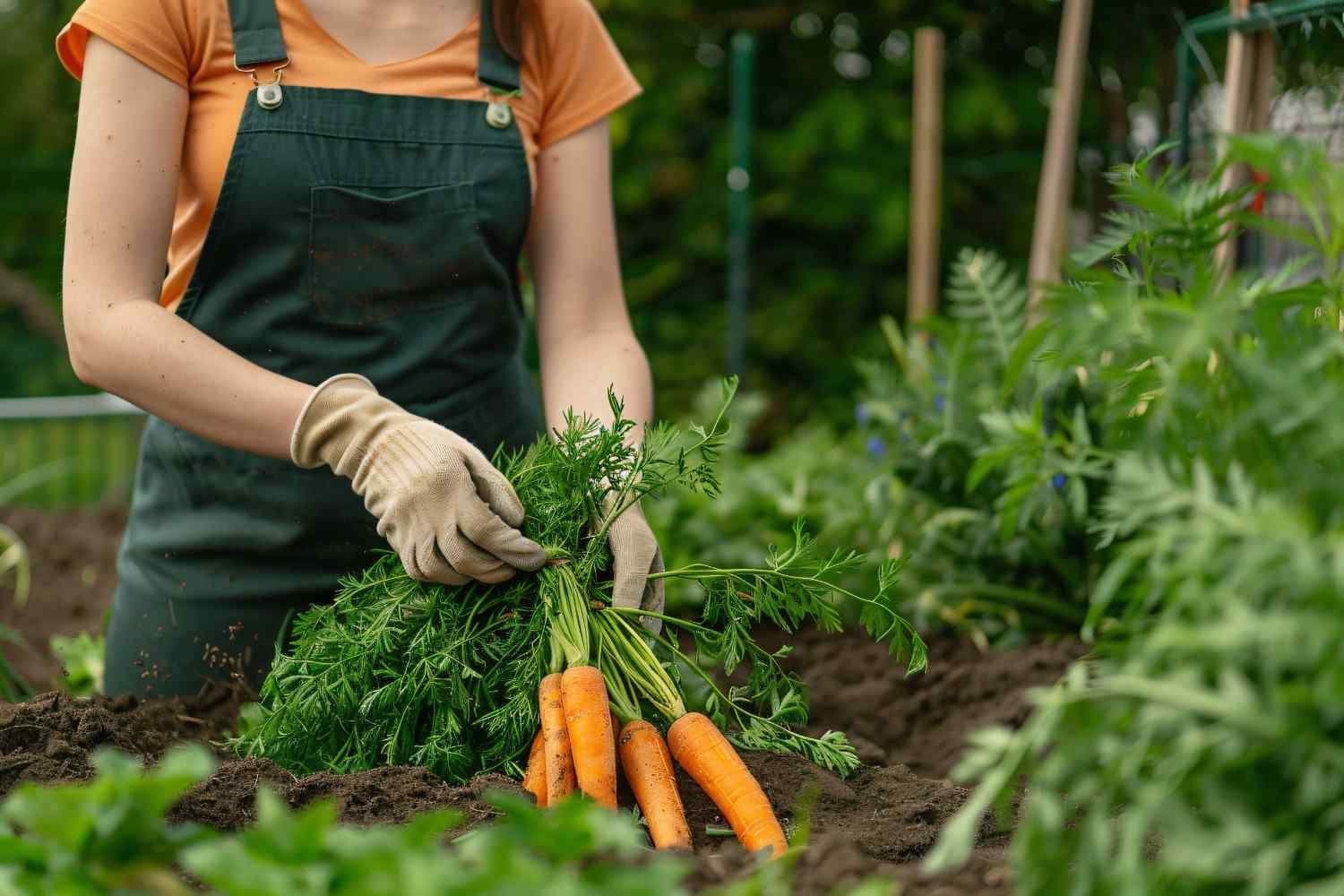
Decide whether to use seeds or transplants. Root vegetables such as carrots and radishes should always be sown directly into the garden, while tomatoes, peppers, and herbs perform better when planted as young transplants. Plant each vegetable at its recommended spacing and depth, and water thoroughly as soon as you finish planting.
Stay on Top of Garden Maintenance
Ongoing maintenance keeps your garden healthy and productive. Water deeply and consistently to encourage strong root development. Early morning watering is best because it reduces evaporation and helps prevent disease.
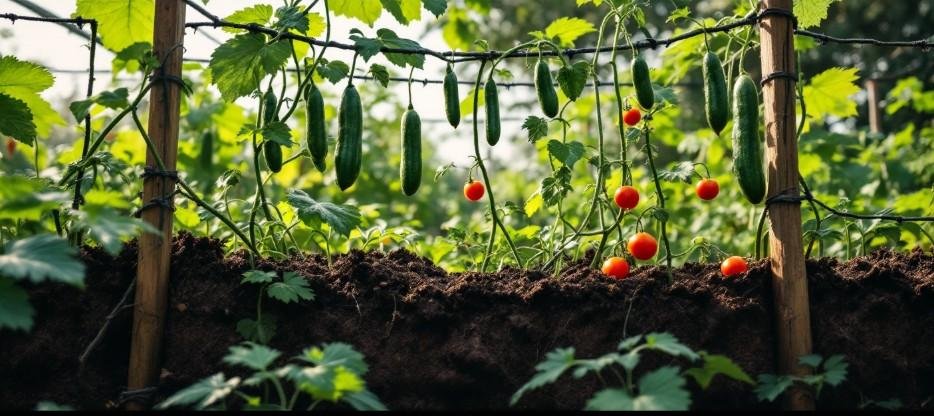
Mulching is a simple but powerful way to reduce weeds and conserve moisture. Apply a 2 to 4 inch layer of straw, shredded leaves, or wood chips around your plants. Check your garden regularly for pests such as aphids, caterpillars, or beetles and address problems early. For taller crops like tomatoes or vining vegetables like cucumbers, use stakes or trellises to support growth and save space.
Choosing the Right Garden Type
The structure of your garden affects drainage, soil temperature, and ease of maintenance. Raised beds work well in areas with poor soil, containers suit small spaces, and in-ground beds are ideal for larger yards. Choose the option that fits your lifestyle and the time you want to invest in upkeep.
Beginner-Friendly Vegetables to Grow
Start with plants that are productive, low-maintenance, and adaptable to most climates. Good options include leafy greens, tomatoes, cucumbers, radishes, carrots, zucchini, and herbs such as basil and parsley. These vegetables grow reliably and give you quick, satisfying harvests.
Understanding Your Growing Zone
Your USDA Hardiness Zone determines which vegetables grow best in your climate and the ideal time to plant them. Providing your zone helps customize a planting plan for your region. Once you know your zone, you can choose vegetables that thrive naturally where you live.
Frequently Asked Questions
1. How much sun do vegetable gardens need
Most vegetables require 6 to 8 hours of direct sunlight each day for strong growth and good harvests.
2. Is it better to start with seeds or plants
Beginners often do best with transplants for crops like tomatoes and peppers, while seeds are ideal for greens, beans, carrots, and radishes.
3. How often should I water my vegetable garden
Water deeply two to four times per week depending on temperature and soil type. The goal is moist, not soggy, soil.
4. How big should my first vegetable garden be
A beginner-friendly size is 50 to 75 square feet. This makes it easy to manage while still providing plenty of produce.
5. What vegetables are easiest for beginners
Lettuce, radishes, beans, cucumbers, zucchini, and tomatoes are among the most reliable vegetables for new gardeners.
Start Simple and Grow With Confidence
Learning how to start a vegetable garden becomes much easier when you take the process step by step. By planning carefully, choosing the right location, preparing rich soil, planting at the right time, and maintaining your garden consistently, you set yourself up for a season filled with fresh, homegrown vegetables. Begin with a small space, stay curious, and enjoy watching your garden grow.