
 By Julien Dubois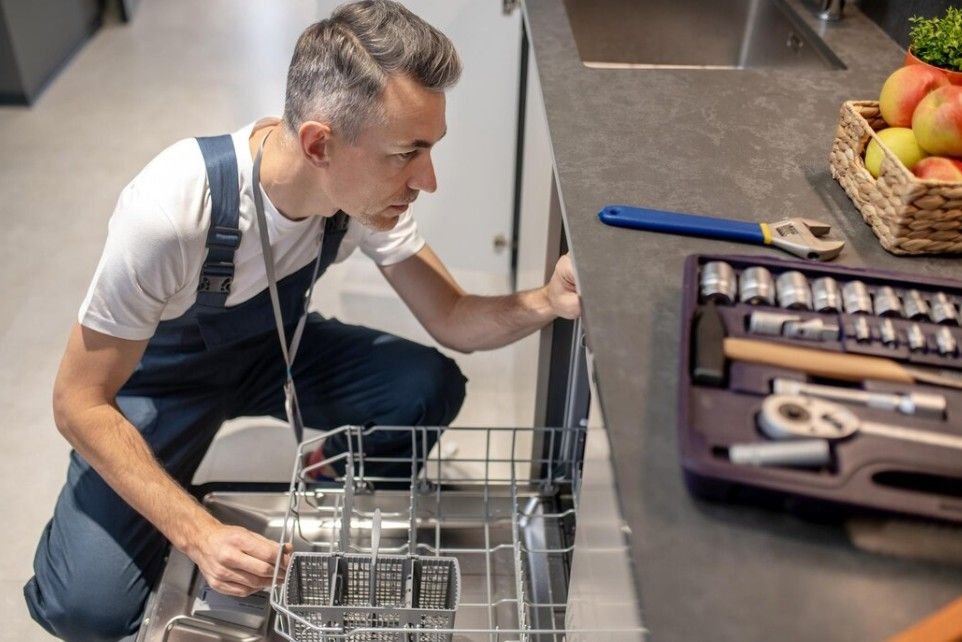
Installing a dishwasher may look intimidating, but with the right tools, safe preparation, and a clear understanding of water, power, and drainage connections, it’s a manageable DIY project for most homeowners. This guide brings together real installation steps, tips from commonly referenced tutorials, and best practices from professional installers. It also integrates the core information provided earlier, such as preparation steps, required materials, and connection instructions, so the reader has everything needed in one place.
Whether replacing an old unit or installing a dishwasher for the first time, this detailed walkthrough explains exactly how to install a dishwasher safely and correctly.
What Tools and Materials Are Needed?
Before beginning, it helps to gather all tools and materials in one place. A standard dishwasher installation requires a few plumbing supplies, basic hand tools, and an installation kit.
Essential Tools & Materials
- Dishwasher installation kit (supply line, power cord, fittings)
- Adjustable wrench
- Pliers
- Screwdriver set
- Level
- Teflon tape (plumber’s tape)
- Towels or cardboard for floor protection
The installation kit is important because it includes new parts that prevent leaks and ensure compatibility with modern models. Homeowners often discover that reusing old supply lines or cords leads to failures down the road, so starting with new components is highly recommended.
Preparation: How Should Someone Get Started?

Proper preparation is what separates a smooth installation from a frustrating one. The steps below reflect universal best practices and the instructions previously provided.
1. Turn Off Power and Water
Power and water must be shut off before touching any connections.
- Switch off the kitchen’s circuit breaker.
- Close the water supply valve under the sink.
2. Clear the Cabinet Space
Removing cleaners, bins, and supplies creates space to reach plumbing lines comfortably.
3. Remove the Old Dishwasher (If Replacing)
The removal process includes:
- Disconnecting the old water supply line
- Detaching the drain hose
- Removing or disconnecting the electrical connection
Once the old unit is slid out, the new dishwasher can be unpacked and inspected for dents, missing parts, or damage.
4. Protect the Floor
Keeping the shipping cardboard makes it easy to slide the new dishwasher without scratching hardwood or tile.
Before Installing: What Should Be Attached to the New Dishwasher?
Most dishwashers require some fittings to be attached before the unit slides into place. This is easier to do while the machine is still accessible at the front.
Key Preparatory Steps
- Attach the water inlet elbow (usually 90 degrees) to the dishwasher’s base using Teflon tape.
- Install the power cord according to the manufacturer’s wiring diagram.
- Connect the drain hose to the back of the dishwasher.
These steps vary slightly by model, so consulting the owner’s manual is essential. For example, some dishwashers use a junction box for wiring, while others use a simple plug-in cord.
Step-by-Step: How to Install a Dishwasher

Below is the complete installation process, integrating plumbing, electrical, and leveling tasks.
1. Thread the Lines Through the Cabinet
Feed the following components through the pre-cut hole in the sink cabinet:
- Power cord
- Water supply line
- Drain hose
Keeping these organized prevents tangles when the dishwasher is pushed into the cabinet opening.
2. Slide the Dishwasher into Position
Gently push the dishwasher into the cabinet space, stopping about six inches before the back wall. This provides space for attaching the final connections. A helper can make this step easier, especially in tight kitchens.
3. Make the Plumbing Connections
Water Supply Connection
- Attach the 3/8-inch supply line to the shut-off valve under the sink.
- Apply Teflon tape to threaded fittings for a leak-free seal.
- If the kitchen does not already have a three-way stop valve, one may need to be installed.
Drain Hose Connection
The drain hose can connect in one of two places:
- The garbage disposal inlet
- A dedicated drain spigot on the sink drainpipe
The hose must be secured with a clamp and positioned in a high loop under the counter. This prevents dirty water from flowing back into the dishwasher—a common DIY mistake.
Some regions require an air gap, especially in California, so homeowners should confirm local code requirements.
4. Make the Electrical Connection

Modern dishwashers use either a hardwired connection or a plug-in cord.
- For hardwiring, electrical wires are joined using wire nuts according to the color codes in the manual.
- For plug-in models, the power cord installed earlier is plugged into a nearby outlet.
All wiring connections must be secure, grounded, and safely enclosed.
5. Slide Into Place and Level the Dishwasher
Once everything is connected:
- Push the dishwasher fully into the cabinet.
- Adjust the leveling legs so the machine sits evenly front to back and side to side.
Why leveling matters:
- Prevents leaks
- Ensures proper door sealing
- Reduces noise during cycles
Finally, secure the dishwasher to the underside of the countertop using mounting brackets and screws.
6. Test the Installation
Turn the water supply back on and visually check each connection for leaks.
Then restore power at the breaker and run a short cycle.
A successful test will show:
- No drips from the supply line or drain hose
- Smooth drainage without backup
- Quiet operation without rattling
- A door that opens and closes without rubbing
Installation Comparison Table
The table below helps readers understand the difference between professional installation and a DIY approach using this guide.
| Installation Type | Pros | Cons | Best For |
| DIY Installation | Saves money; flexible timing; educational | Requires tools; must follow safety steps; mistakes can cause leaks | Confident DIYers with basic plumbing/electrical experience |
| Professional Installation | Fast; insured; code-compliant | Higher cost; scheduling required | Homeowners who prefer convenience or have complex plumbing/electrical setups |
Expert Tips to Ensure a Smooth Installation
- Always confirm the dishwasher fits the cabinet opening, especially if flooring has been replaced after the previous installation.
- Replace old valves and supply lines rather than reusing them.
- Keep the drain hose elevated to the underside of the counter to prevent backflow.
- If a disposal is newly installed, remove the knockout plug from the dishwasher inlet—many people forget this and the dishwasher won’t drain.
- Use the dishwasher’s manual for model-specific diagrams before connecting wires or fittings.

Frequently Asked Questions
1. How long does it take to install a dishwasher?
Most DIY installations take between 60–90 minutes, though experienced installers can complete them faster. Replacing old plumbing parts, installing a new stop valve, or troubleshooting electric connections can add time.
2. Does a dishwasher need a dedicated electrical circuit?
In many homes, dishwashers share a 15- or 20-amp circuit with a garbage disposal, but new electrical codes often recommend a dedicated circuit. Homeowners should check local requirements or consult an electrician.
3. Is an air gap required for dishwasher installations?
Some areas mandate air gaps to prevent contamination of household water. Others allow a high-loop method. Homeowners should review local plumbing codes to ensure compliance.
4. Can someone install a dishwasher without prior plumbing experience?
Yes—many homeowners successfully install dishwashers by following a careful, step-by-step guide like this one. However, if they encounter corroded plumbing, old electrical wiring, or unusual cabinet configurations, professional help may be necessary.
Conclusion: Installing a Dishwasher with Confidence
Understanding how to install a dishwasher empowers homeowners to complete a project that improves kitchen efficiency and saves significant installation costs. By following safety preparation steps, making secure water and power connections, correctly positioning the drain hose, and ensuring proper leveling, the process becomes straightforward and repeatable. The information provided above—including preparation steps, connection guidelines, expert tips, and testing advice—reflects the same thorough approach used by experienced installers and trusted video tutorials.
With the right tools, attention to detail, and this guide in hand, most homeowners can enjoy a successful, leak-free installation.