
 By Julien Dubois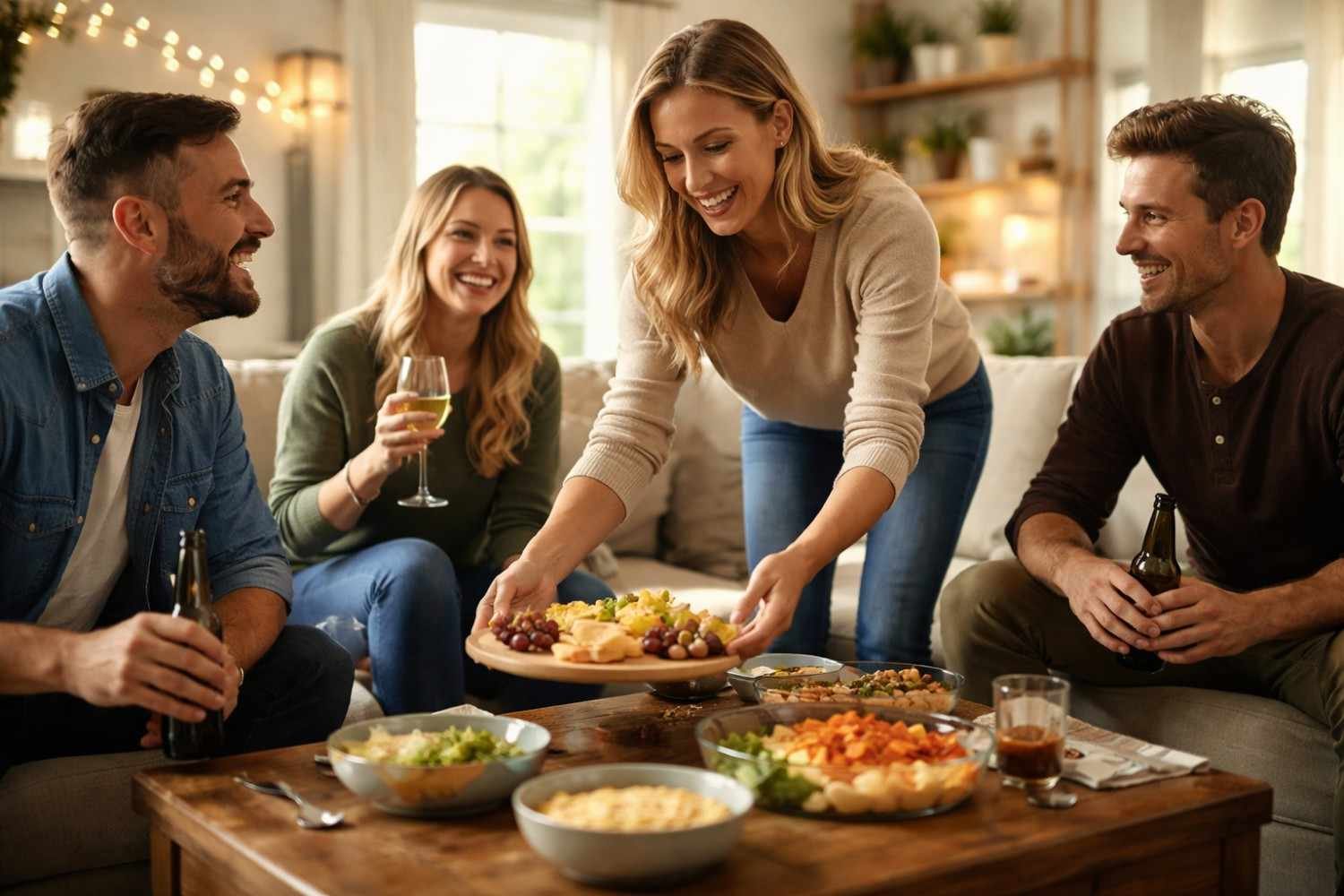
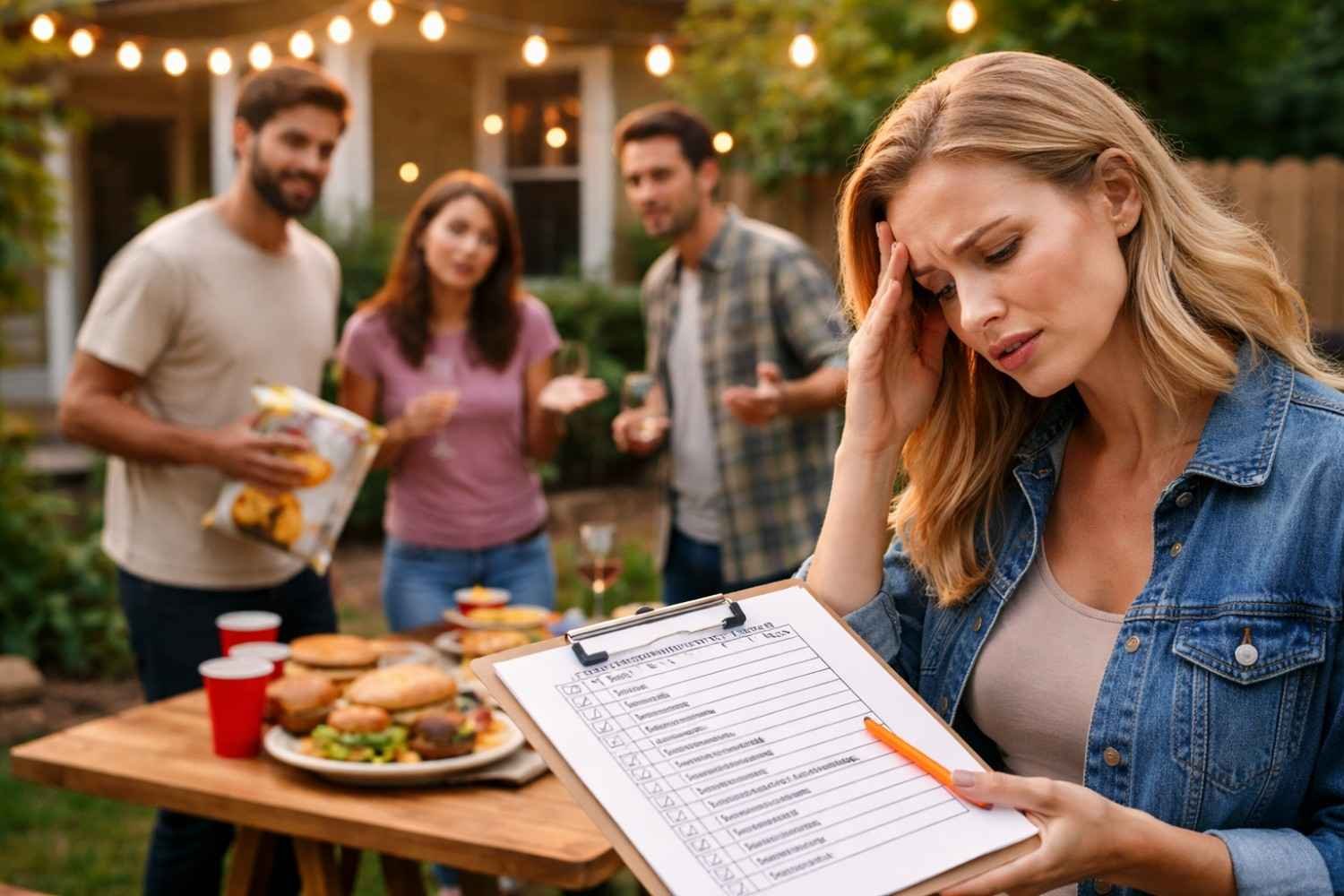
The first time I tried hosting a casual gathering, I treated it like a formal event. I cleaned corners no one would see, cooked three dishes from scratch, and stressed over matching serveware. By the time guests arrived, I was already exhausted. Ironically, the night felt stiff not relaxed. That’s when I realized something important about hosting casual gatherings at home: the more you overplan, the less it feels casual.
Now I approach things differently. I focus on connection instead of perfection. I plan less, simplify more, and give myself permission to let the evening unfold naturally. The shift completely changed how my guests experience my home and how I experience hosting.
Why Overplanning Ruins Casual Gatherings
Most people don’t remember the table setting. They remember how comfortable they felt. They remember laughing in the kitchen, refilling their own drinks, or sitting cross-legged on the couch talking longer than expected.
Low-stress hosting tips always circle back to one thing: atmosphere matters more than execution. When you obsess over timing and details, you stay mentally checked out. Guests can feel that tension. Casual home get-together tips from experienced hosts consistently emphasize ease, not performance.
Hosting casual gatherings at home works best when you remove pressure from yourself first.
Simplify the Food and Drinks (This Changes Everything)
Food is usually where overplanning begins. You think you need a multi-course menu. You don’t.
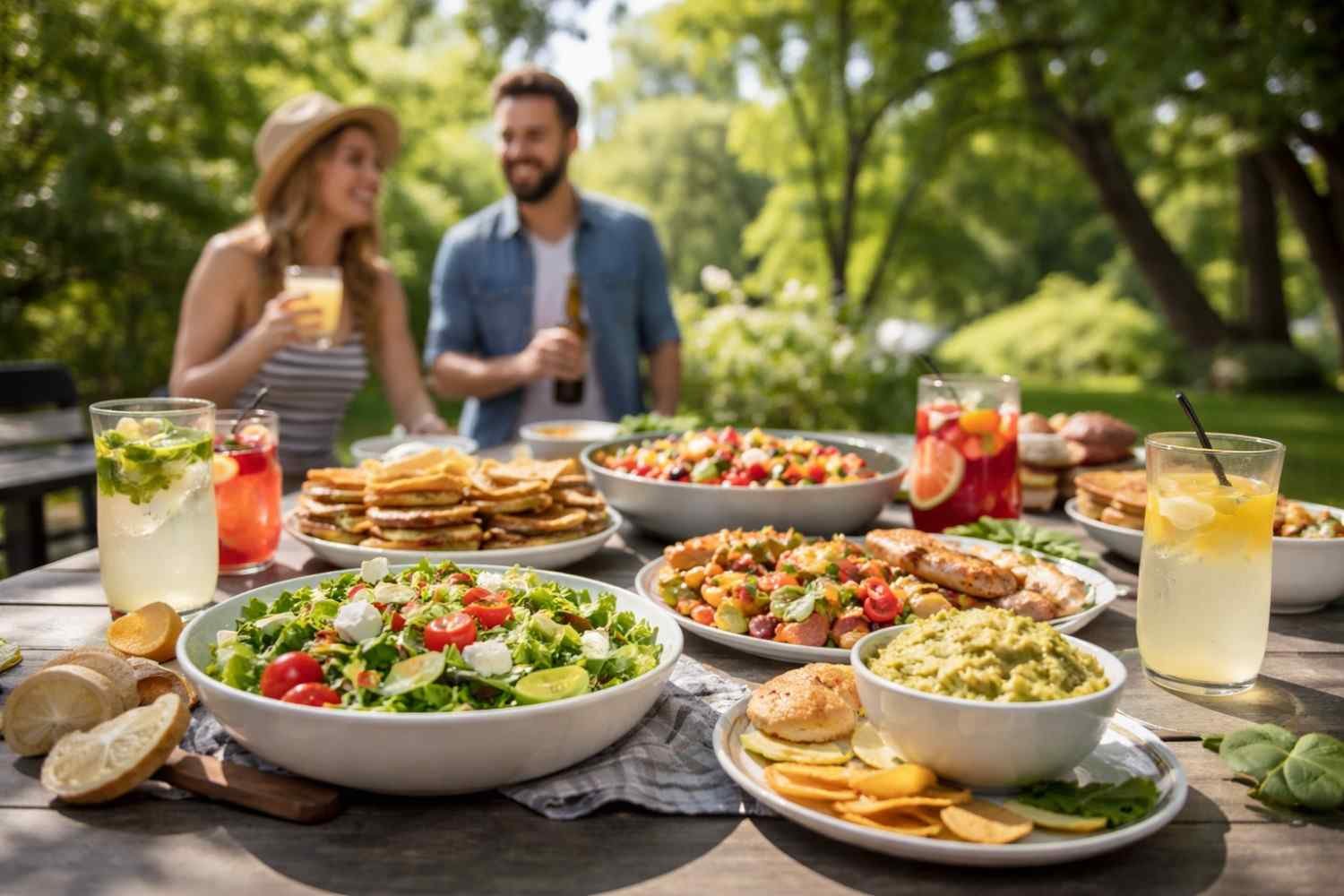
The easiest shift is choosing assembly over cooking. Charcuterie boards, grazing trays, dips, sliders, tacos, or a simple baked pasta work beautifully because they don’t require you to disappear into the kitchen mid-conversation. One-pan meals or slow-cooker dishes also reduce stress because you can prep them in advance.
Self-serve stations make a huge difference. Set up:
- A drink table with water, wine, beer, and one batch cocktail
- Ice and glasses within reach
- Napkins and openers are placed visibly
When guests help themselves, you stop playing bartender. That alone makes hosting feel lighter.
And yes, ordering pizza or using frozen appetizers is completely fine. Store-bought doesn’t reduce the warmth of your gathering. Guests care more about the vibe than whether you made the dip from scratch.
This approach fits perfectly with stress-free entertaining because it keeps you present.
Create a Relaxed Atmosphere in Minutes

You don’t need elaborate decor to create a mood. Lighting does most of the work.
Turn off harsh overhead lights. Use lamps, candles, or string lights. Soft lighting instantly makes a room feel intentional and hides small messes. It also signals that the space is for lingering.
Music helps more than people realize. Instead of building a custom playlist for hours, choose a long pre-made chill playlist. Let it run in the background. Music fills conversational pauses and subtly shapes energy.
Cleaning is another area where overplanning creeps in. Focus only on high-traffic areas:
- Entryway
- Kitchen
- Guest bathroom
Close doors to rooms that aren’t part of the evening. A “good enough” reset works better than a deep clean marathon. Comfortable home gatherings don’t require spotless baseboards.
Smart Logistics That Keep You Calm
This is where simple hosting tips really matter.
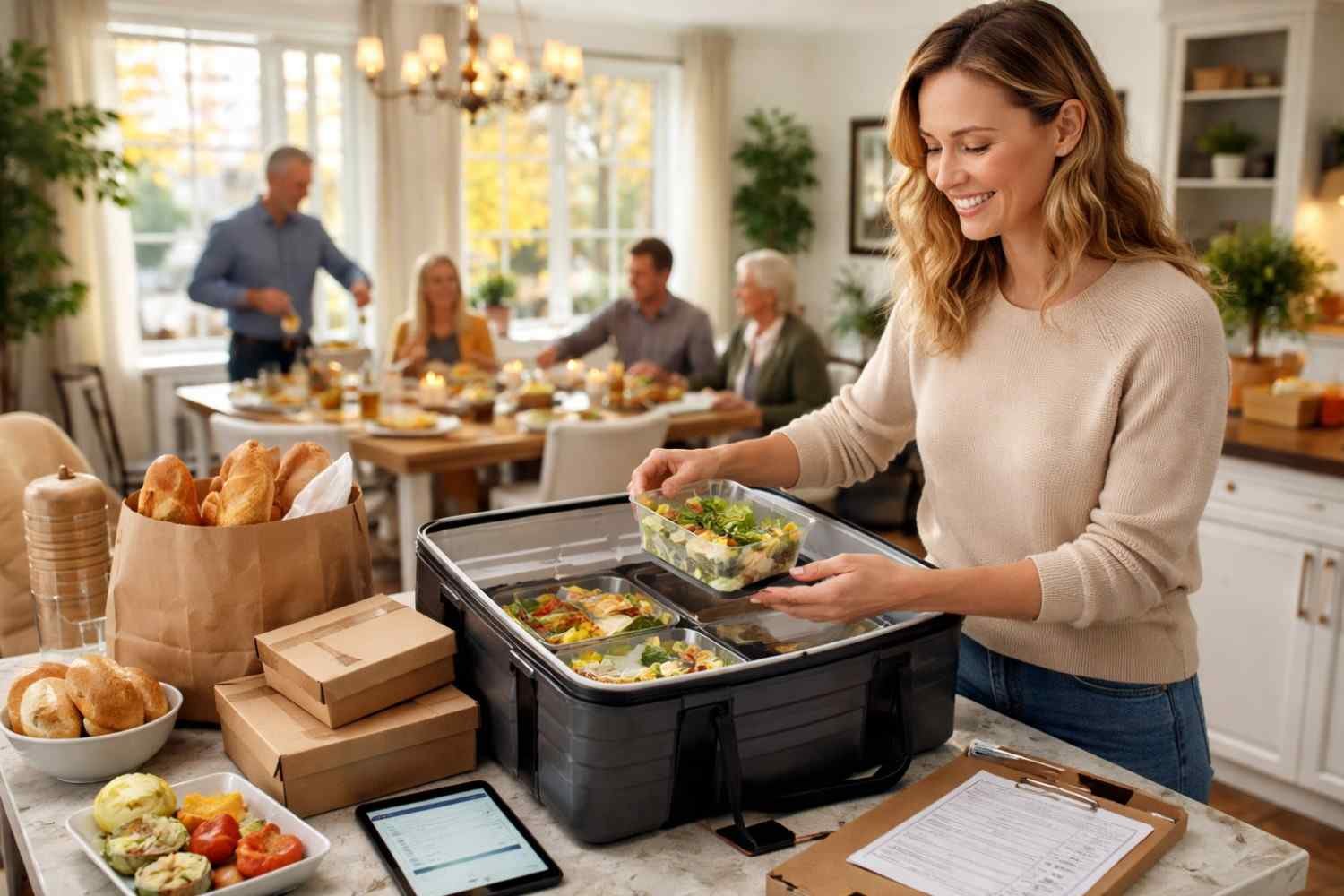
Set up the night before. Lay out serving platters. Empty the dishwasher. Put trash bags in the bin. Small prep tasks remove mental clutter the day of the gathering.
When inviting people, include an end time. It sets expectations without feeling rigid. Something like “6–9 PM” gives you a natural wrap-up point and protects your energy.
Delegation is powerful but underused. When someone asks, “How can I help?” give them something specific. Ask them to slice lemons, refill ice, or manage music. People like contributing. It makes the gathering feel shared instead of hosted.
For very relaxed crowds, eco-friendly disposable plates can eliminate the post-event dish pile. Sometimes, the easiest low-fuss gathering ideas are the most practical ones.
What Actually Makes Guests Feel Comfortable
After hosting enough small dinners and backyard hangouts, I’ve noticed something consistent. Guests relax when:
- The host is relaxed
- The food is accessible
- There’s no strict schedule
- Conversation flows naturally
They don’t relax when they feel watched, managed, or overly structured.
Making guests feel comfortable often means letting go of control. If someone moves chairs around, let them. If the timeline shifts, go with it. Relaxed hosting strategies work because they prioritize flexibility.
The goal isn’t to impress. It’s to connect.
Common Mistakes to Avoid

Overplanning usually shows up in subtle ways. You might overcomplicate the menu, obsess over decor, or try to script the evening.
Avoid these patterns:
- Cooking too many new recipes at once
- Scheduling structured activities for a casual night
- Hovering instead of sitting down with guests
- Cleaning constantly during the event
Minimal planning parties feel better because they allow space for spontaneity.
Hosting Casual Gatherings at Home Should Feel Easy

If hosting feels stressful, it’s usually because expectations are too high. Casual event setup should support connection, not compete with it.
You don’t need matching plates. Also, you don’t need a theme, nor you need a flawless home. What you need is warmth, simple food, and permission to enjoy your own gathering.
That mindset shift turns low-stress party planning into something sustainable. You’ll host more often because it won’t drain you.
Frequently Asked Questions (FAQs)
1. How far in advance should I plan a casual gathering at home?
Plan the basics three to five days ahead. Confirm guest count, decide on a simple menu, and handle small prep tasks the night before. Avoid over-scheduling detailed timelines.
2. What’s the easiest food to serve at a casual get-together?
Assembly-style foods work best. Charcuterie boards, tacos, baked pasta, sliders, or slow-cooker meals allow you to prep early and stay present during the event.
3. How do I keep hosting low-stress?
Simplify your menu, create self-serve drink stations, focus on key cleaning areas, and delegate small tasks to guests. The goal is relaxed hosting strategies, not perfection.
4. Is it okay to use disposable plates?
Yes. For very casual gatherings, eco-friendly disposable plates and cutlery can reduce cleanup stress and make the evening smoother.
Final Thoughts
Hosting casual gatherings at home becomes enjoyable when you stop trying to engineer the perfect evening. The magic usually happens in the unplanned moments, such as someone laughing in the kitchen, a conversation that runs longer than expected, or guests refilling their own drinks without ceremony. When you reduce pressure, you create room for genuine connection. That’s what people remember.
Keep it simple. Stay present. Let the night unfold.