
 By Julien Dubois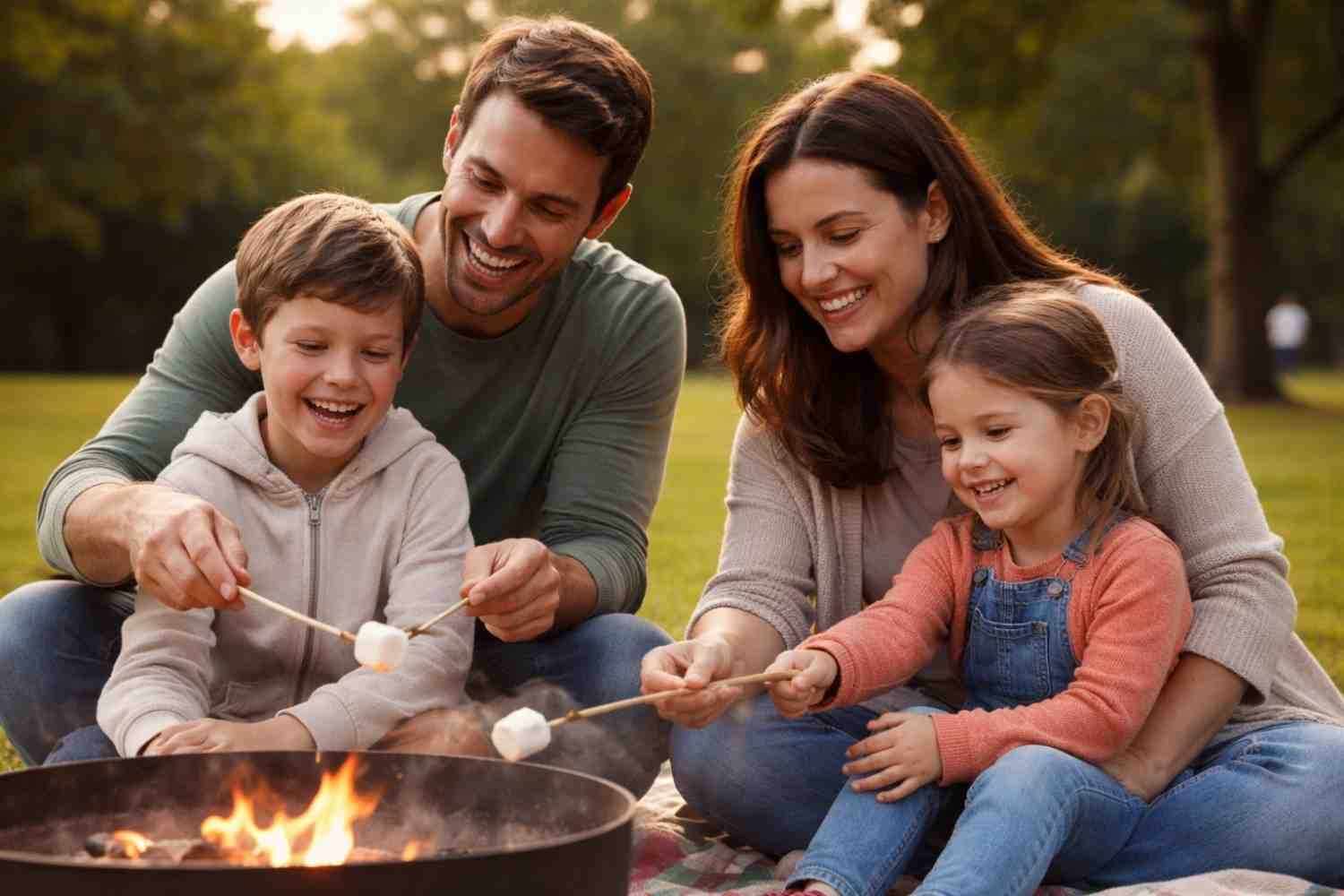
Modern family life is loud, scheduled, and screen-heavy. Between work hours, school logistics, and constant notifications, connection often gets squeezed into whatever time is left. Many parents feel a quiet worry that everyone is living parallel lives under the same roof. What families are increasingly discovering, though, is that connection rarely comes from big outings or expensive plans. It grows in ordinary moments that are shared, repeated, and emotionally present.
There’s a noticeable shift toward simpler, nature-forward, and hands-on family time. Families are leaning into activities that prioritize being together rather than being entertained. These shared moments cooking side by side, walking a neighborhood trail, laughing over a board game create emotional glue. They signal belonging. They build memory. And most importantly, they make connections feel natural rather than forced.
Why Simple Shared Moments Strengthen Family Connection

Connection in families forms through repeated experiences of attention and participation. When people do something together, not just at the same time, but with mutual involvement, relationships deepen. Children especially interpret shared activity as emotional availability. It tells them: you matter enough for my time.
In everyday routines, these moments often hide in plain sight. Preparing dinner together after work. Folding laundry while talking about the day. Driving to soccer practice. These experiences may feel mundane, yet they create the strongest relational threads because they happen consistently. Shared presence, not novelty, is what builds closeness.
There is also a psychological reason that simple activities work. They reduce performance pressure. When connection comes from low-stakes interaction, drawing, walking, playing, family members relax. Conversation becomes easier. Humor emerges naturally. Emotional safety grows in these environments.
Creative Activities That Build Togetherness Naturally
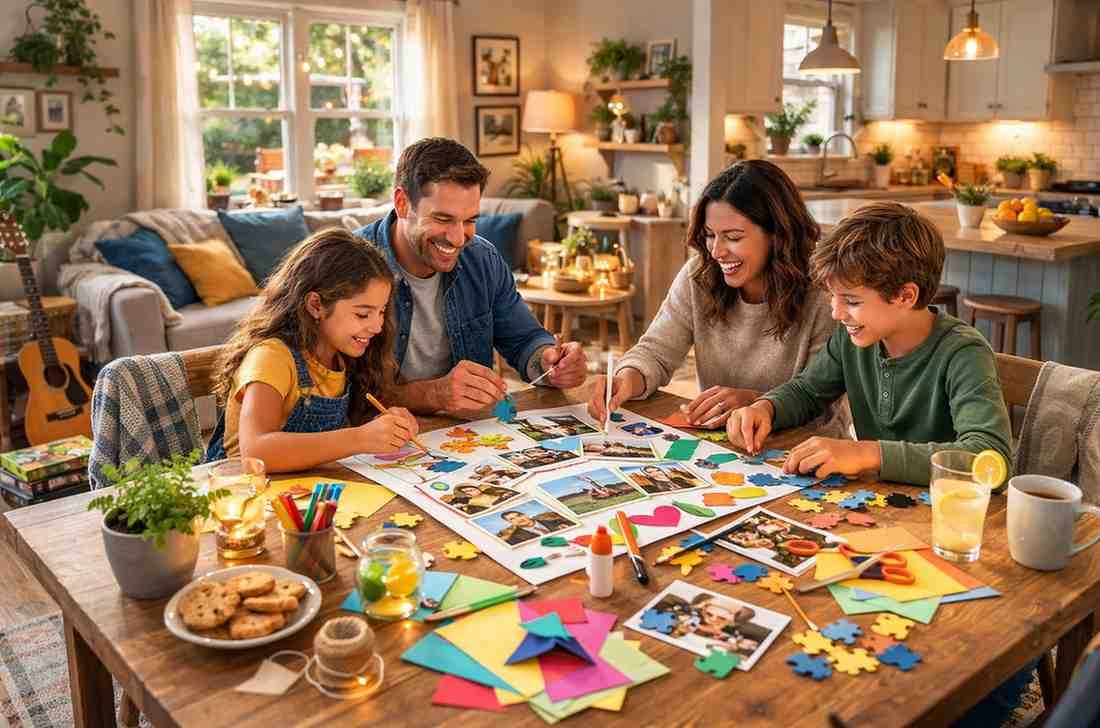
Hands-on projects create a sense of “we made this together,” which strengthens belonging. In many homes, collaborative creativity is replacing passive entertainment because it invites participation from every age group.
Family art sessions are a powerful example. Turning cardboard boxes into pretend spaceships or puppet theaters transforms imagination into shared creation. Large collaborative drawings or murals allow each person to contribute without rules. The final result becomes a visible reminder of togetherness.
Scrapbooking or memory-keeping projects deepen intergenerational bonds. Collecting photos, ticket stubs, or written memories into a family scrapbook invites storytelling. Children learn family history. Parents revisit milestones. The process itself becomes a shared narrative.
Building projects, including block structures or Lego creations, adds collaboration and problem-solving. Families negotiate ideas, adapt plans, and celebrate outcomes together. These experiences reinforce teamwork within the family unit.
Nature-Based Family Activities That Encourage Calm Connection
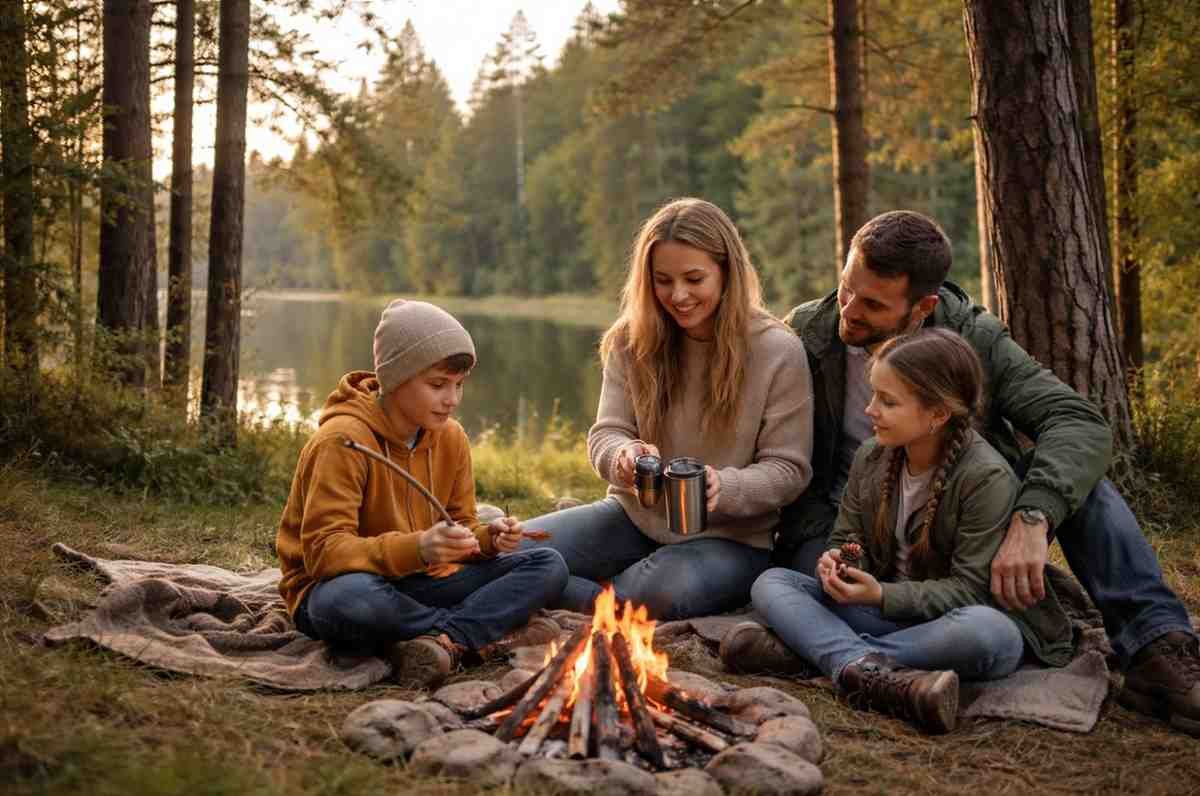
Outdoor environments naturally reduce distraction and emotional tension. Many American families are rediscovering parks, trails, and backyards as connection spaces because nature slows interaction down. Without screens or structured entertainment, attention returns to shared observation.
Neighborhood nature walks, or park explorations, encourage conversation that flows more easily than at home. Noticing birds, leaves, or seasonal changes creates shared focus. Bringing a small sketchbook or camera adds mindfulness and creativity without pressure.
Backyard camping has become a popular low-effort bonding experience. Setting up a tent, telling stories under the night sky, and roasting marshmallows create novelty within a familiar space. Children experience adventure while staying secure. Parents experience presence without travel logistics.
Stargazing evenings, especially in quiet suburban or rural areas, add awe to shared time. Looking at the night sky invites reflection and wonder. These calm experiences often lead to deeper conversations than structured activities allow.
Playful Moments That Spark Laughter And Emotional Safety

Play is one of the fastest ways families reconnect because it bypasses seriousness. In American households where schedules dominate, intentional play resets emotional tone. Laughter signals safety. Shared fun dissolves tension accumulated during the day.
Themed family game nights create predictable connection points. Rotating who chooses the game gives each person ownership. Classic board games, charades, or drawing games like Pictionary invite friendly competition and teamwork. Consistency matters more than the game itself.
Family dance parties transform ordinary evenings into joyful release. Playing mixed-generation playlists allows everyone to share preferences. Movement lowers stress hormones and increases bonding hormones, which strengthen emotional closeness.
Affirmation rituals add emotional depth to play. Activities like passing a yarn ball while sharing compliments or offering appreciation during dinner normalize positive expression. Over time, these rituals build trust and emotional security within the family.
Daily And Weekly Rituals That Sustain Long-Term Connection

Rituals create predictability, and predictability creates security. In American family life, small repeated moments anchor relationships even when schedules change. These rituals often become the most remembered aspects of childhood.
Shared meals remain one of the strongest connection practices. Eating together regularly increases conversation, emotional awareness, and family cohesion. The key is not perfection but consistency. Even simple weeknight dinners create belonging when experienced together.
Bedtime reading extends connection into a quiet space. Reading aloud, even to older children, provides calm closure to the day. Conversations often emerge naturally afterward because the environment feels safe and unhurried.
Short weekly family meetings give each member a voice and recognition. Discussing schedules, feelings, or plans reinforces that everyone belongs to a shared unit. These check-ins also teach communication and mutual respect.
Here are a few rituals families often sustain successfully:
- Weekly game or movie night
- Sunday morning pancakes or cooking together
- Evening walks after dinner
- Gratitude sharing at meals
- Monthly memory-keeping or photo review
These small patterns accumulate into lasting connections because they repeat across years.
Frequently Asked Questions (FAQs)
1. What Are The Best Family Activities That Encourage Connection At Home?
Activities that involve participation rather than observation work best. Cooking together, game nights, art projects, shared meals, and bedtime reading create interaction and conversation, which strengthen family bonds naturally.
2. How Much Time Do Families Need Together To Feel Connected?
Connection depends more on quality than quantity. Even short daily shared moments, meals, walks, or rituals build strong relationships when they involve attention and presence.
3. Why Do Simple Activities Strengthen Family Relationships?
Simple activities reduce pressure and allow relaxed interaction. Without performance or planning stress, family members communicate more openly and feel emotionally safe together.
4. How Can Busy Families Create More Shared Moments?
Integrate the connection into existing routines. Cook together instead of separately, talk during car rides, walk after dinner, or create short weekly rituals. Consistency matters more than duration.
Final Thoughts
Family connection rarely comes from grand gestures. It grows quietly through repeated shared moments that signal attention, belonging, and presence. In modern American life, where schedules and screens fragment time, these simple interactions become even more valuable. They create emotional safety that carries into adulthood and shapes how people understand relationships.
When families shift focus from planning experiences to sharing moments, connection becomes sustainable. It stops being another task and starts becoming a natural rhythm of daily life.