
 By Julien Dubois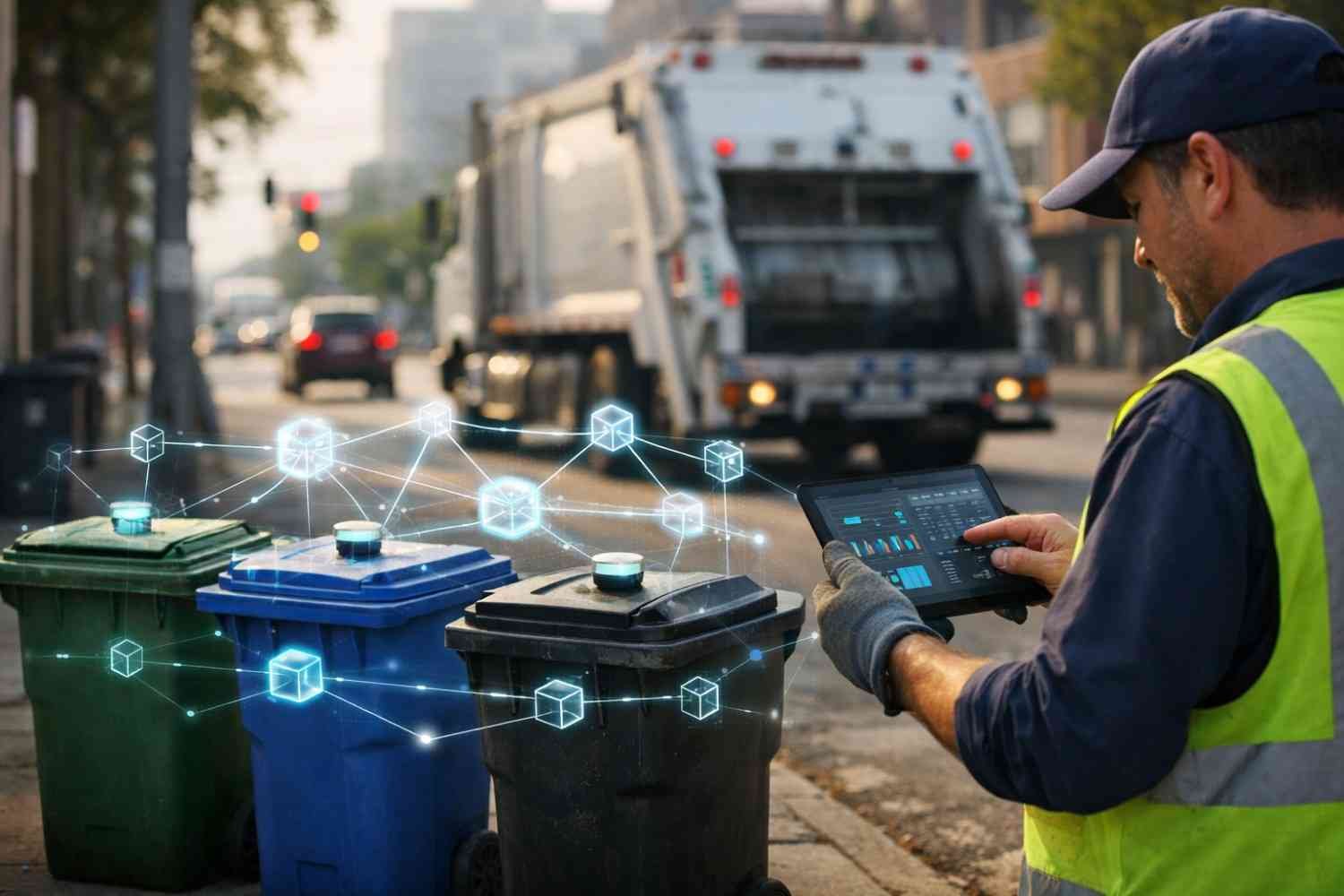
Waste tracking has always been messy. Not physically operationally. Paper logs, fragmented databases, manual reporting, and too many handoffs across haulers, facilities, and recyclers. In many cities, once waste leaves a facility or curbside bin, visibility drops sharply. Whether material actually reaches a recycling plant or quietly ends up in a landfill often depends on trust rather than proof.
What makes this shift practical, not theoretical, is that blockchain is not replacing waste infrastructure. It is layering a verifiable data system across it. Smart bins, collection trucks, transfer stations, and recycling facilities can now record waste events into a shared ledger that no single party controls.
Why Traditional Waste Tracking Breaks Down
The waste chain involves municipalities, private haulers, material recovery facilities, recyclers, brokers, and disposal sites. Each maintains its own records, formats, and reporting cycles. Data reconciliation happens later, if at all. This fragmentation creates several persistent problems:
- Limited proof of recycling or diversion
- Misreported waste volumes and contamination rates
- Illegal dumping or diversion risks
- Administrative overhead and disputes
Once materials change custody, documentation becomes the only evidence. And documentation can be incomplete, delayed, or altered. That is why recycling accountability has historically been difficult to verify at scale.
How Blockchain Enables End-To-End Waste Traceability
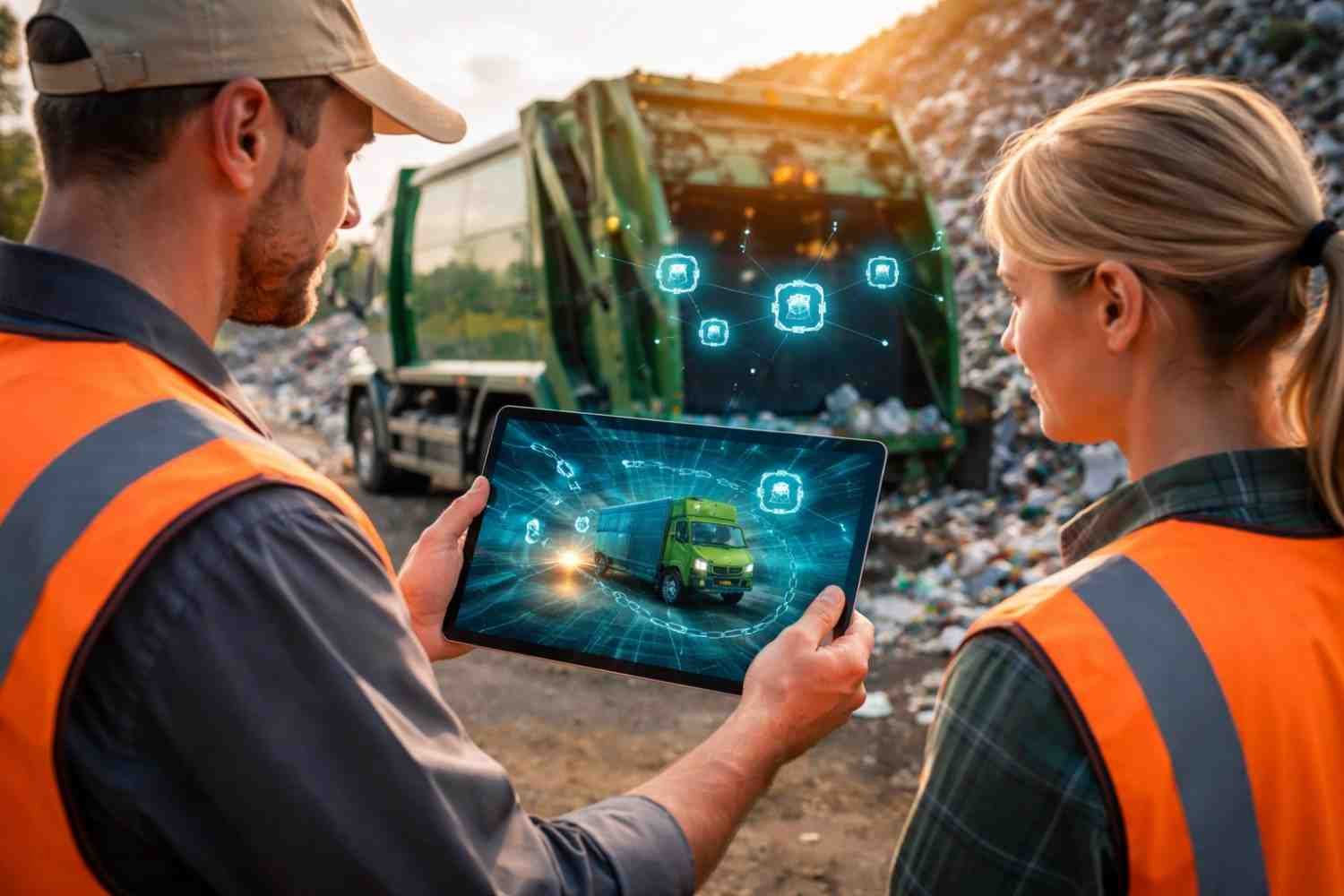
Blockchain introduces a shared, tamper-resistant record of waste events. Every step, generation, collection, transfer, processing, recycling, or disposal can be logged as a timestamped transaction. Because entries cannot be altered retroactively, stakeholders see the same verified history.
In practical terms, a waste batch can carry a digital identity from origin to final destination. A commercial facility generating cardboard, for example, can have each pickup logged automatically. When the load arrives at a materials recovery facility, weight and contamination data are appended. When the material is baled and shipped to a recycler, that movement is recorded again. The chain of custody becomes visible across organizations instead of trapped inside each one.
This traceability directly addresses one of the biggest credibility gaps in recycling: proving that material labeled as recycled actually completed the recycling process.
The Technology Stack Behind Smarter Waste Systems
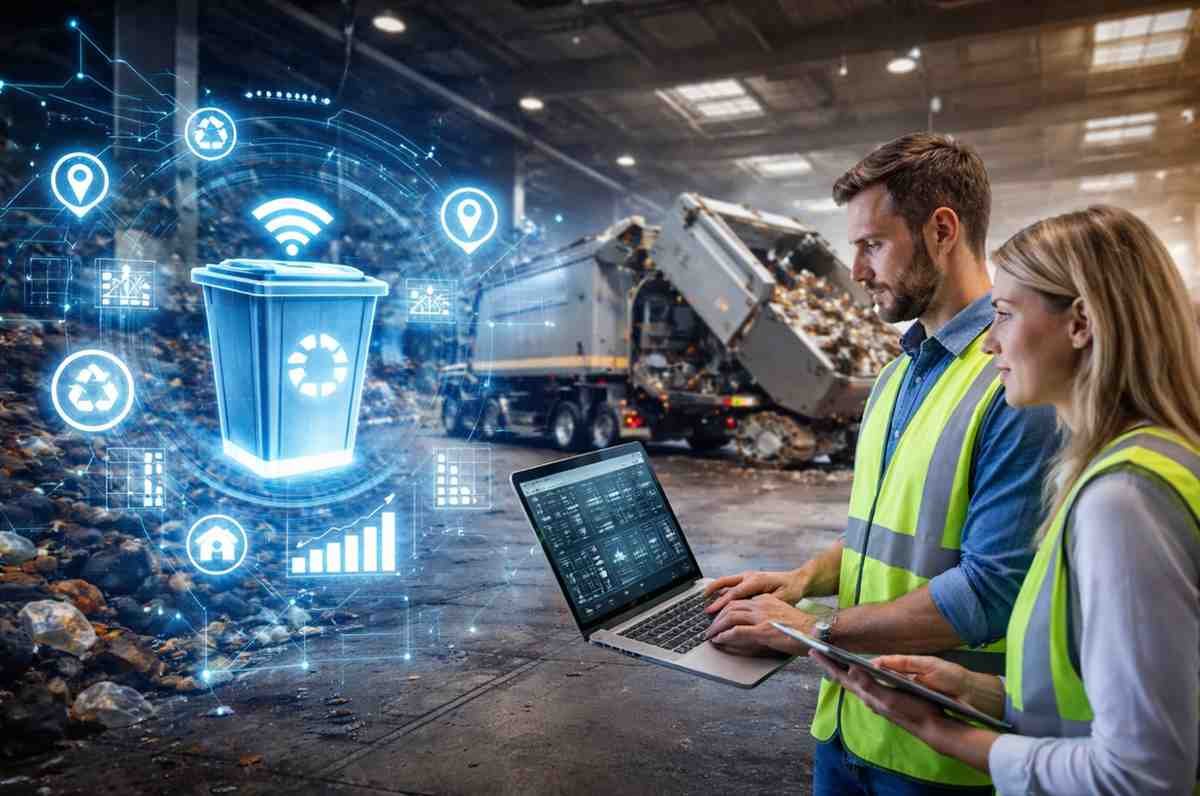
Smarter waste tracking systems emerge from the integration of several technologies working together rather than blockchain alone.
IoT-enabled containers and vehicles capture operational data automatically. Smart bins measure fill levels and weight, while collection trucks log pickups and routes. These sensor readings are transmitted and recorded into the blockchain ledger, creating real-time, verifiable records without manual entry.
Smart contracts automate operational steps once conditions are confirmed. When a collection is verified, payment to a hauler can trigger automatically. When recyclable material meets quality thresholds, incentive credits can be issued. Automation reduces disputes, delays, and administrative effort across municipal and commercial waste programs.
Together, these components transform waste tracking from periodic reporting into continuous, data-verified monitoring.
Practical Benefits For Cities And Waste Operators
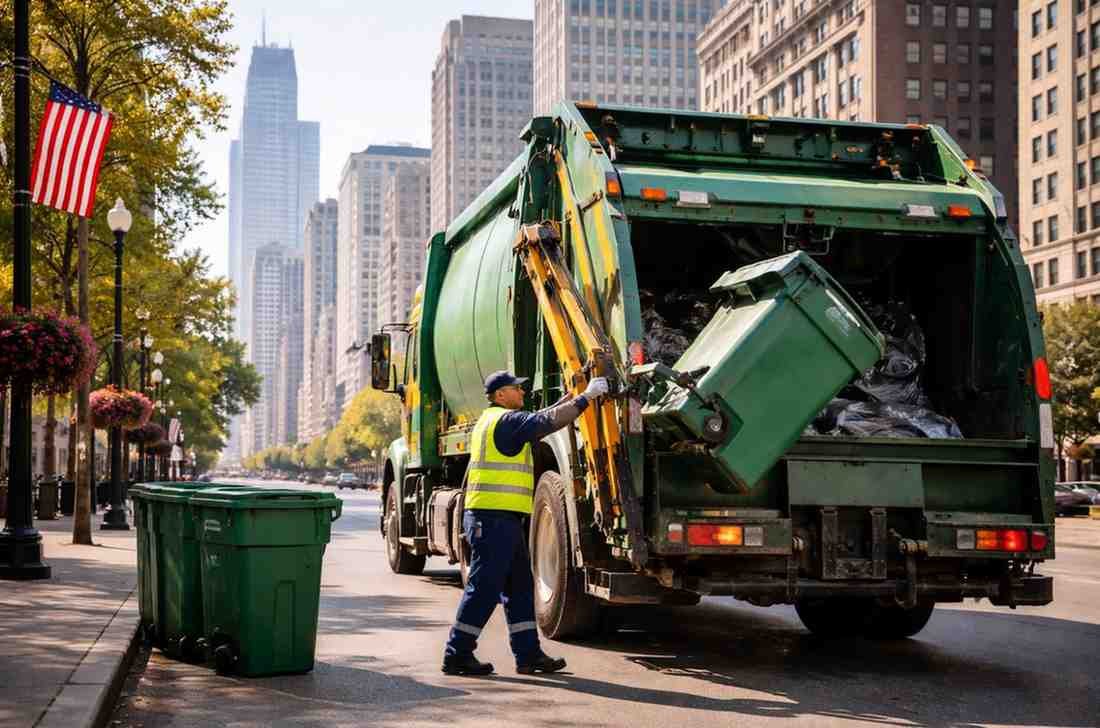
When waste events are recorded continuously and shared securely, operational performance improves across several measurable dimensions.
Transparency increases because all stakeholders see the same verified waste history. Cities can confirm diversion rates with confidence, and businesses can substantiate sustainability claims with auditable data.
Environmental performance also improves. Data-driven routing reduces fuel use and emissions from collection fleets, while better material identification increases recycling recovery and landfill diversion.
These benefits explain why blockchain waste tracking is moving from pilot programs into municipal and corporate waste strategies.
Real-World Applications Across Waste Streams
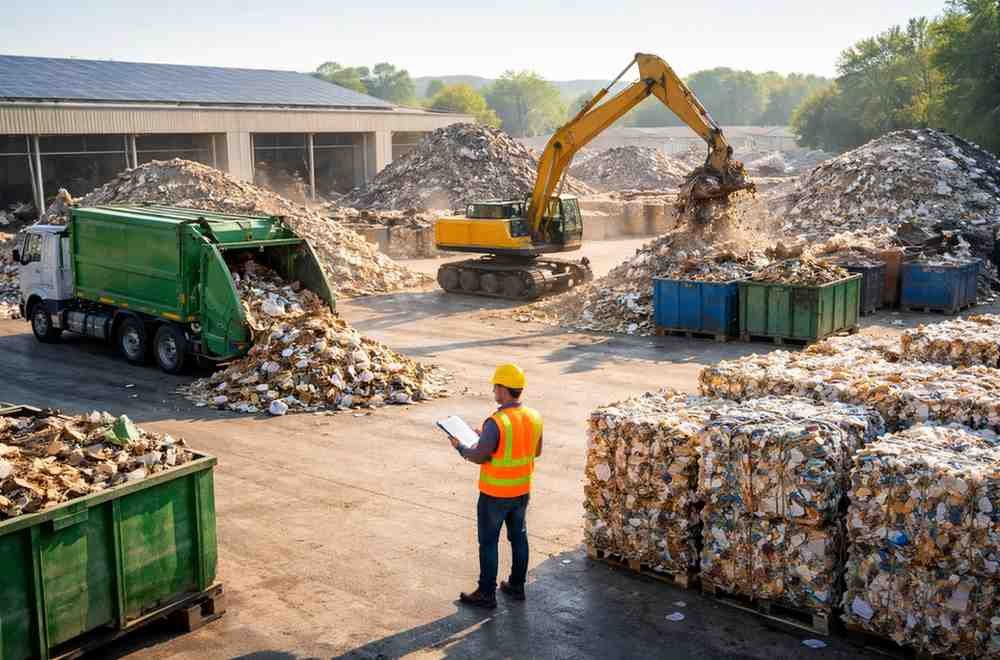
Different waste categories present different tracking challenges, and blockchain systems are already addressing several of them.
Plastic waste recovery programs use digital tokens to reward verified collection and recycling. Participants receive incentives only when material is recorded and processed through approved channels, improving recovery rates and preventing leakage into landfills or waterways.
Electronic waste tracking focuses on hazardous material accountability. Components containing cobalt, lithium, or rare earth metals can be tracked from disposal through certified recyclers, reducing the risk of informal or illegal processing.
Smart city waste programs integrate resident participation with infrastructure monitoring. Disposal events, recycling compliance, and incentive programs can all be recorded in a unified ledger, enabling municipalities to manage waste services with far greater visibility than traditional reporting allows.
Adoption Challenges And System Integration

Despite its potential, blockchain in waste management faces practical implementation hurdles.
Infrastructure integration is the largest challenge. Municipal waste systems already operate with legacy software, contractor platforms, and regulatory reporting tools. Connecting sensors, vehicles, facilities, and databases into a shared ledger requires standardization and investment.
Data governance also requires alignment. Stakeholders must agree on data formats, access permissions, and verification protocols. Without common standards, interoperability across cities or regions remains limited.
However, as ESG reporting pressures increase and recycling verification becomes more critical in US policy and corporate sustainability frameworks, the incentive to adopt verifiable waste tracking systems continues to grow.
The Future Of Blockchain In Waste Infrastructure
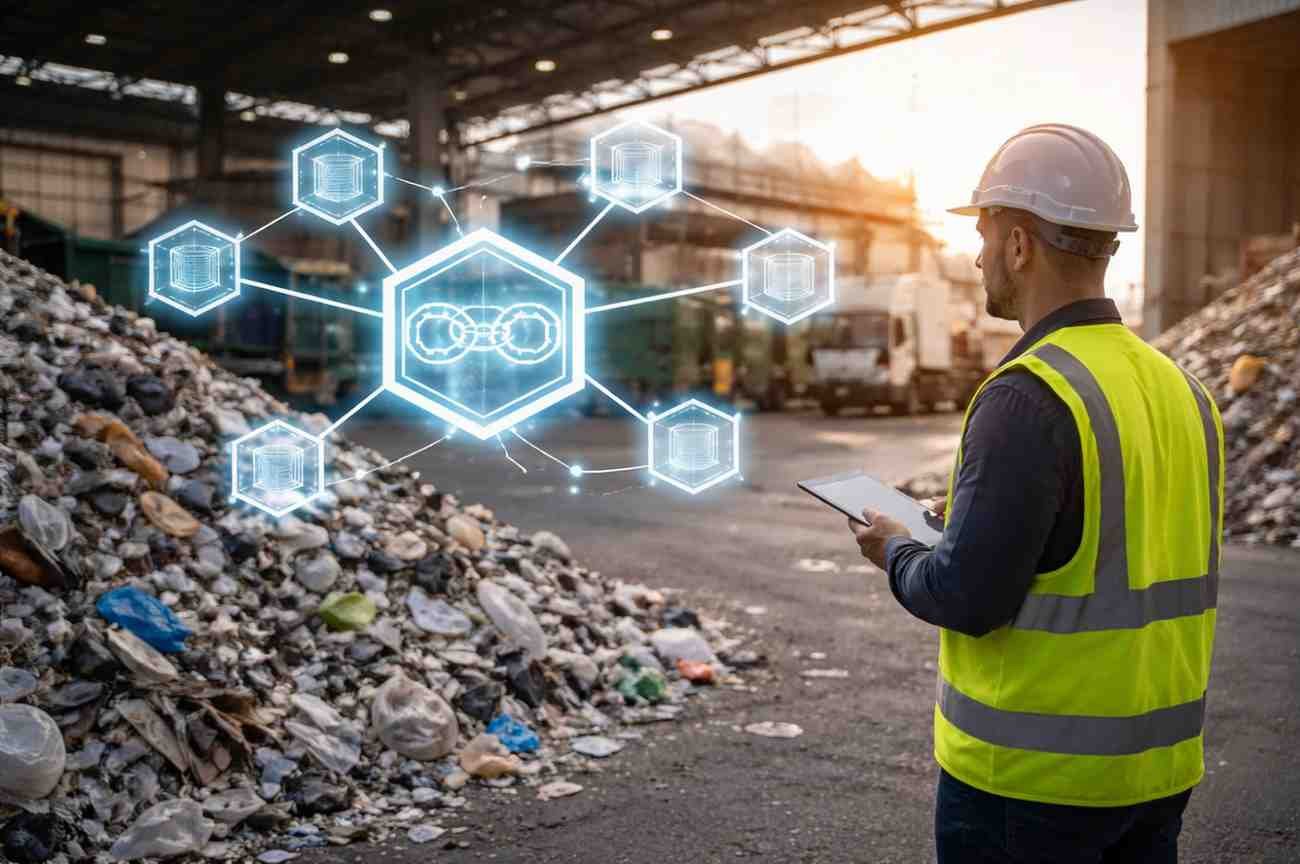
The direction of waste management in the US is moving toward measurable circularity rather than estimated diversion. Regulators, cities, and corporations increasingly require proof of material recovery, responsible disposal, and emissions reduction. Blockchain provides the verification layer capable of supporting those requirements.
Future waste infrastructure is likely to combine sensor-based collection, automated routing, AI sorting, and blockchain traceability into unified platforms. Waste will no longer be tracked through periodic reports but through continuous digital records accessible across stakeholders. Recycling markets will depend less on trust and more on verified material flows.
As these systems mature, blockchain in waste management is less about technology adoption and more about credibility restoration, bringing transparency and accountability to a sector that has historically operated with limited visibility beyond the point of collection.
Frequently Asked Questions (FAQs)
1. What Is Blockchain In Waste Management?
Blockchain in waste management is the use of a decentralized digital ledger to record and verify waste generation, collection, transfer, recycling, and disposal events across the waste lifecycle.
2. How Does Blockchain Improve Recycling Transparency?
It creates immutable records of material movement and processing, allowing municipalities and companies to verify that recyclable waste actually reached and was processed by authorized facilities.
3. Can Blockchain Reduce Waste Management Costs?
Yes. Automation of reporting, payments, and verification reduces administrative effort, disputes, and inefficient collection operations, lowering overall operational costs.
4. Is Blockchain Already Used In Waste Systems?
Yes. Pilot programs and commercial deployments exist in municipal recycling, hazardous waste tracking, and corporate waste reporting systems across several regions.
Final Thoughts
Waste management has long operated on fragmented records and delayed reporting, which made transparency difficult and accountability inconsistent. Blockchain changes the structure of information rather than the physical flow of waste. That shift matters most in the context, where recycling credibility, ESG disclosure, and regulatory compliance increasingly depend on provable material outcomes rather than reported intentions.
As cities and organizations seek measurable sustainability performance, blockchain-enabled waste tracking offers something the sector has lacked for decades: trusted visibility from generation to final disposition.