
 By Julien Dubois
 The age-old practice of home canning, also known as preserving or bottling in some regions. This has seen a renaissance as more individuals seek to reconnect with traditional methods of food preparation that emphasise self-sufficiency and sustainability. The essence of home canning is to capture the peak freshness and flavour of produce and securely seal it within glass jars for enjoyment throughout the year.
This method not only extends the shelf life of fruits, vegetables, and other edibles. But also ensures that your pantry is stocked with wholesome ingredients free from artificial preservatives and additives.
Understanding the Basics of Home Canning
Home canning involves a simple yet precise process that, when followed correctly, results in safely preserved food. It begins with selecting high-quality produce at the optimal stage of ripeness, followed by thorough washing and preparation tailored to the specific canning recipe. Heat is used to both cook the food and sterilise the jars, ensuring that any potentially harmful microorganisms are eliminated.
As the jars cool, a vacuum seal is formed, which serves as the primary barrier against spoilage and contamination. It’s essential to follow reputable guidelines, as meticulousness is key to avoiding foodborne illnesses such as botulism.
Choosing the Right Equipment
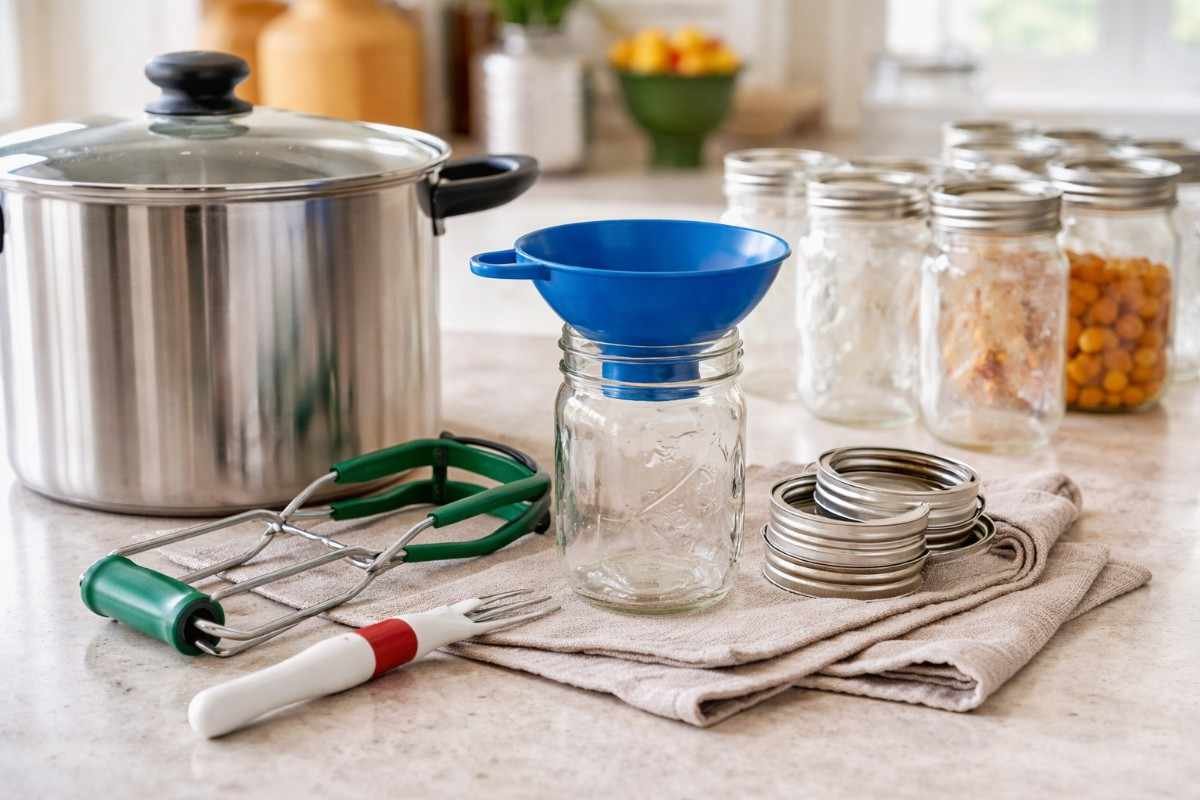
The foundation of a successful canning operation is using the proper equipment. Glass jars, with their non-porous quality and ability to withstand high temperatures without degrading, are central to the canning process. Alongside jars, essentials such as a canning pot, jar lifter, funnel, and lid lifter contribute to efficient and safe canning. It’s also important to choose jars and lids that are free from chips, cracks, or any other damages that might compromise the integrity of the seal.
Glass Jars: The Hero of Home Canning
At the heart of home cananning lies the glass jar, an indispensable tool for preservers. Not only are glass jars durable and reusable, but they also don’t impart any flavours onto the contents, making them ideal for maintaining the purity of the preserved food. They come in various sizes and shapes, allowing for versatility in what one can preserve, from jellies and jams to pickles and sauces.
Preparing Your Produce
The first step in the canning process is preparing the produce. This could involve peeling or chopping fruits and vegetables, crushing berries for jams or simmering tomatoes for sauces. It’s essential to strictly adhere to recipe guidelines for preparation, as the size and density of the food can affect how thoroughly it is processed and consequently preserved.
Safety Practices in Home Canning
Safety is paramount in home canning. Botulism, a serious form of food poisoning, can occur when low-acid foods are improperly processed. To avoid such risks, it’s critical to pay attention to recipe instructions and use the recommended processing times and methods, which are typically boiling water bath canning for high-acid foods and pressure canning for low-acid foods.
Creating a Seal: The Final Step
The ultimate goal in home canning is to achieve a vacuum seal, which preserves the contents and prevents the ingress of air that could lead to spoilage. This happens upon cooling the filled jars. The diminishment of air within the jar causes the lid to contract and form a tight seal.
It’s always important to check the seal after the jars have cooled; an unsealed jar can either be reprocessed within 24 hours or refrigerated and consumed within a few days. You could also make carbonated sparking water this way.
Labelling and Storage
After your jars have been sealed, labeling them with the date of canning and the contents ensures proper inventory management. Stored in a cool, dark place, home-canned foods can last for around a year, although it’s advised to consume them within the first few months for optimal quality.
The Craft of Canning
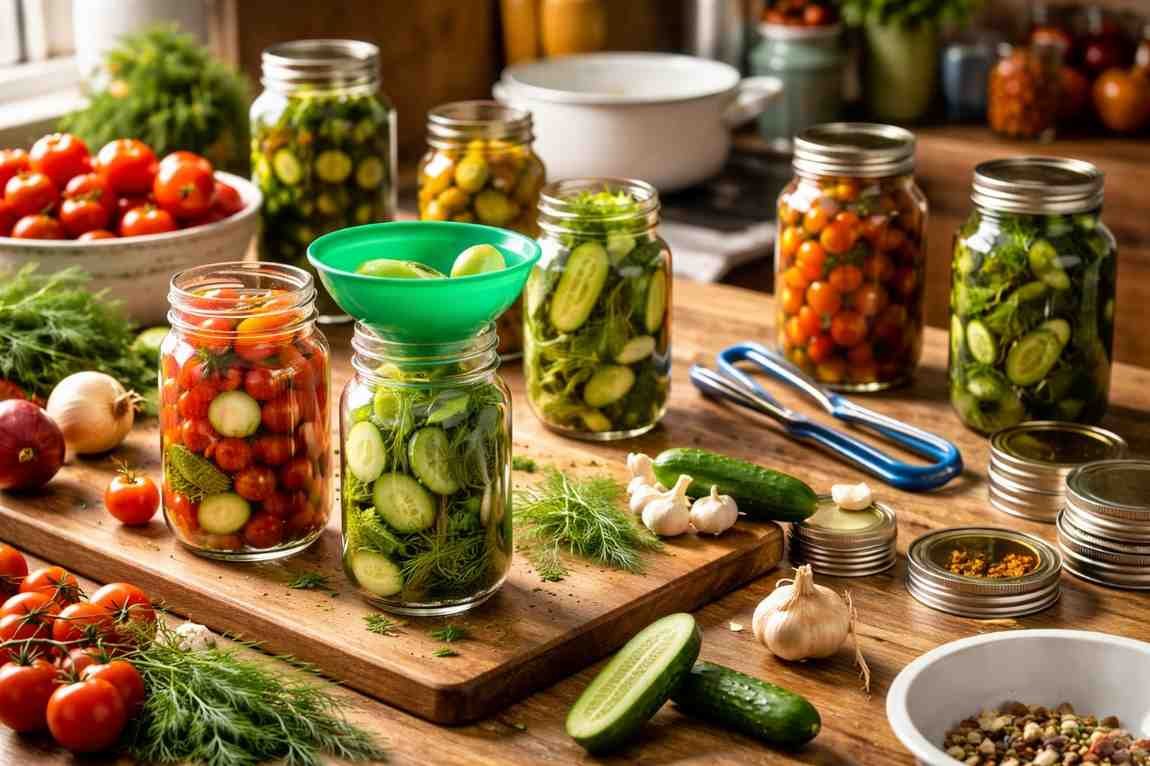
Home canning is as much an art as it is a science. Seasoned canners often take pride in experimenting with different flavour combinations. Like spices, and herbs to create unique preserved foods that reflect their personal taste preferences. The process also involves a degree of intuition. As one becomes more attuned to the nuances of the seasonal produce and the rhythms of the kitchen.
Picking Up the Practice
For those new to home canning, it’s valuable to start with beginner-friendly recipes, such as berry jams or tomato sauces, that generally have straightforward procedures and processing steps. As confidence builds, more complex canning projects can be undertaken. There are numerous resources available, from canning classes to cookbooks and online communities, for novices seeking guidance.
Embracing the Sustainability of Home Canning
Aside from its practical benefits, such as convenience and cost-saving, home canning is an environmentally conscientious choice. Reusing glass jars reduces waste, and by preserving locally sourced or homegrown produce, one’s carbon footprint is significantly lowered. Home canning embodies the principles of reduce, reuse and recycle.
Conclusion
Home canning is a valuable skill that not only allows individuals to enjoy out-of-season flavours. But also contributes to a sustainable lifestyle. By understanding the proper techniques, investing in high-quality glass jars, and adhering to safety standards, anyone can master the art of preserving their favourite flavours in glass jars. As we continue to embrace food preservation traditions, we inevitably enrich our culinary experiences and take an active role in managing our food sources responsibly.