
 By Julien Dubois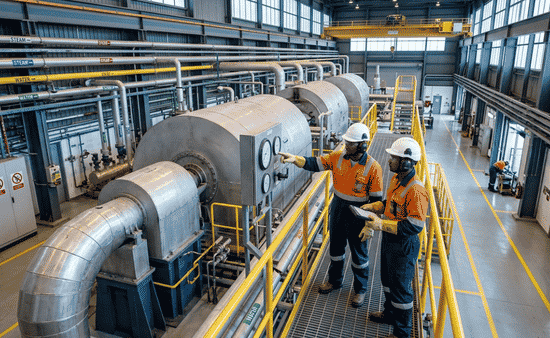
Power plants are among the most demanding industrial environments in the world. From high-pressure systems and electrical equipment to extreme temperatures and hazardous materials, these facilities require strict safety measures to ensure smooth operations.
Protecting workers and equipment is not only essential for maintaining productivity but also for preventing accidents that could have serious consequences for employees, surrounding communities, and the environment.
A strong safety culture in power plants begins with preparation, proper training, and continuous monitoring. By implementing effective safety strategies, facilities can reduce risks while improving operational efficiency and reliability.
Understanding the Risks in Power Plants
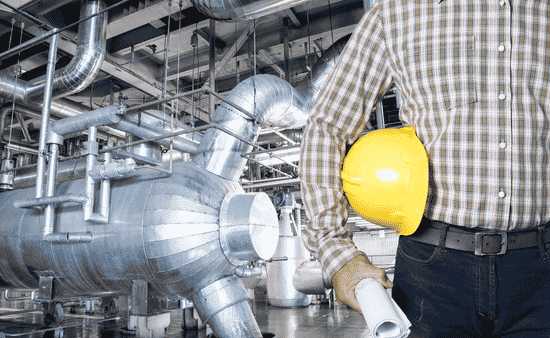
Power plants contain a wide range of hazards that workers face every day. Electrical systems can cause severe injuries if not handled correctly, while steam systems and boilers operate under intense pressure and heat. Heavy machinery, rotating equipment, and chemical handling processes add additional layers of risk.
Without proper precautions, these hazards can lead to equipment damage, downtime, injuries, or even large-scale incidents. That is why safety protocols are critical in every area of plant operation.
Building a Strong Safety Culture
Safety should be more than a checklist. It must become part of the workplace culture. Employees at every level need to understand that safety is a shared responsibility.
Management can encourage a strong safety culture by:
- Providing regular safety training
- Encouraging workers to report hazards immediately
- Conducting routine inspections
- Rewarding safe work practices
- Maintaining open communication about safety concerns
When workers feel supported and informed, they are more likely to follow procedures carefully and look out for one another.
Importance of Proper Training
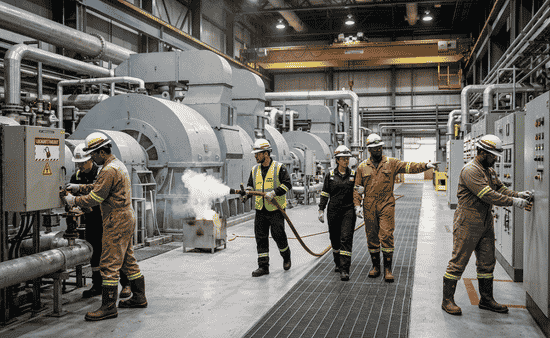
Training is one of the most effective ways to reduce workplace accidents in power plants. Employees should receive instruction on equipment operation, emergency response, lockout/tagout procedures, and hazard recognition.
New workers often require extensive onboarding before entering high-risk areas. However, ongoing training is equally important for experienced employees. Safety standards, technologies, and regulations continue to evolve, and workers must stay updated on the latest procedures.
Emergency drills also play a major role in preparedness. Simulating situations such as fires, chemical leaks, or power failures helps employees respond quickly and effectively during real emergencies.
Protective Equipment Saves Lives
Personal protective equipment, or PPE, is essential in power plant environments. Hard hats, gloves, safety glasses, hearing protection, and flame-resistant clothing all help reduce the risk of injury.
Different tasks may require specialized equipment depending on the hazard involved. Workers handling chemicals may need respirators and protective suits, while those working around high-voltage systems need insulated gear.
PPE should always be inspected regularly to ensure it remains in good condition. Damaged or outdated equipment can fail when workers need it most.
Maintaining Equipment for Safer Operations
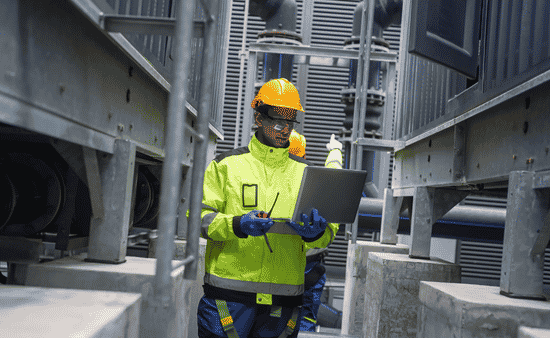
Equipment maintenance is another major component of power plant safety. Poorly maintained systems are more likely to malfunction, causing dangerous conditions and costly downtime.
Routine inspections help identify issues before they become serious problems. Monitoring systems can detect unusual pressure levels, leaks, or overheating components early enough for corrective action.
For example, operators often rely on instruments such as a sight gauge to monitor liquid levels within boilers and tanks, helping maintain safe operating conditions and prevent system failures.
Preventive maintenance schedules also ensure that machinery operates efficiently and safely over the long term.
Managing Electrical and Fire Hazards
Workers should always verify that systems are fully de-energized before beginning work. Proper grounding practices and insulated tools further reduce electrical risks.
Fire prevention is equally important. Flammable materials, hot surfaces, and electrical systems can create dangerous conditions if not properly managed. Facilities should maintain fire suppression systems, inspect wiring regularly, and ensure emergency exits remain accessible at all times.
The Role of Technology in Safety
Modern technology continues to improve safety in power plants. Automated monitoring systems, sensors, and predictive maintenance tools help identify problems before they escalate.
Digital systems can track equipment performance in real time, reducing the need for workers to enter hazardous areas unnecessarily. Drones and remote inspection tools also allow teams to assess difficult-to-reach equipment safely.
In addition, advanced communication systems help coordinate emergency responses quickly, minimizing risks during critical situations.
In Conclusion
Safety inside power plants is essential for protecting both workers and equipment. Through proper training, effective maintenance, reliable protective equipment, and strong workplace policies, facilities can reduce hazards and maintain efficient operations.
As power generation technology continues to evolve, safety practices must evolve as well. A proactive approach to safety not only prevents accidents but also strengthens reliability, productivity, and long-term success in the power industry.