
 By Julien Dubois
Skin is the body’s largest organ and acts as a protective barrier against bacteria, viruses, and environmental damage. However, it is also prone to many conditions that can affect appearance, comfort, and overall health. Skin diseases are common across all ages and can range from mild irritations to serious medical conditions. Understanding the different types can help in early detection and proper treatment.
What Are Skin Diseases?
Skin diseases refer to any condition that affects the skin’s normal structure or function. These conditions may be temporary or chronic and can result from infections, allergies, immune system issues, or genetic factors. Some skin diseases only affect the surface, while others can go deeper and affect hair, nails, or underlying tissues.
Types of Skin Diseases
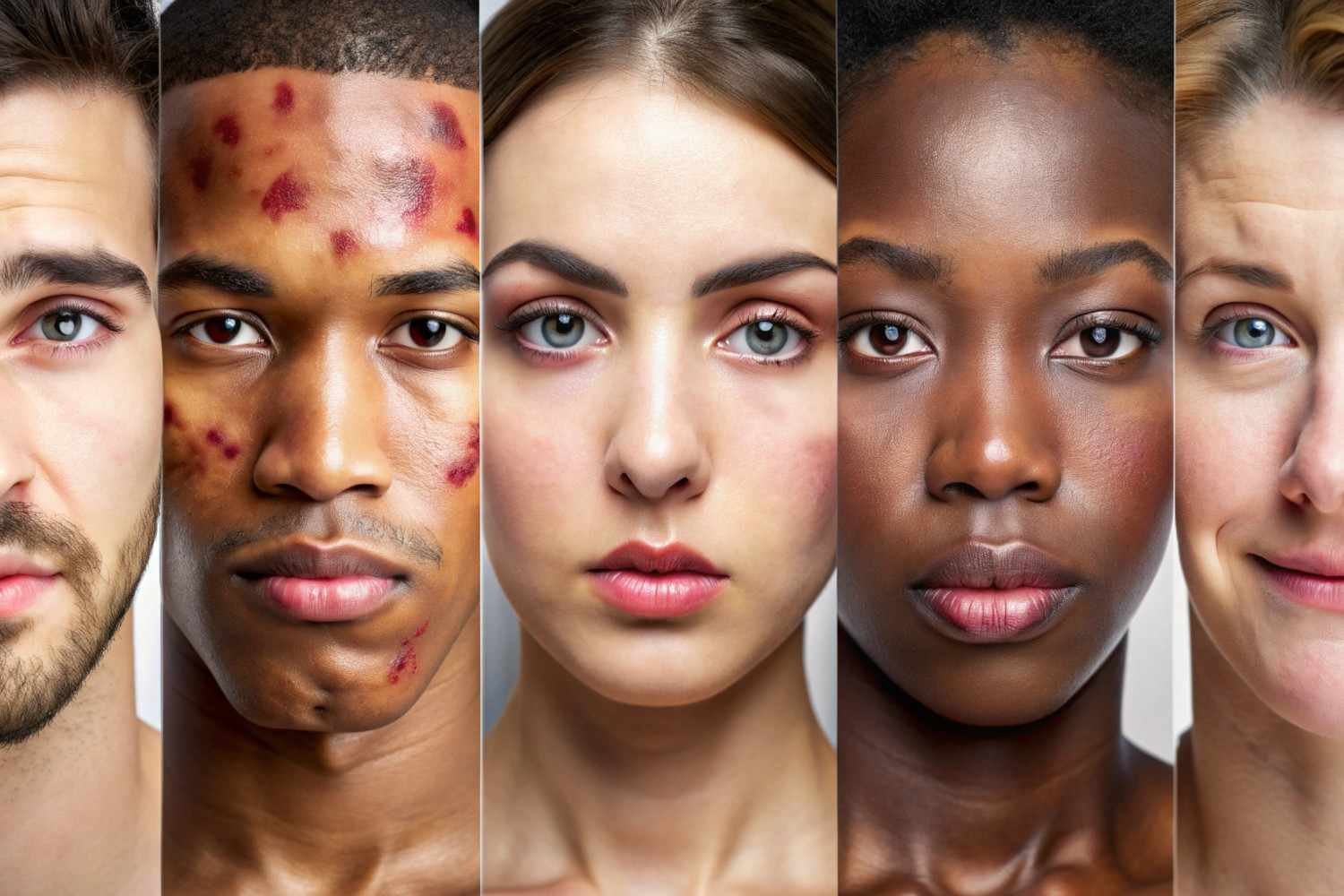
Skin diseases are generally categorized into several main groups based on their causes and characteristics.
1. Infectious Skin Diseases
These are caused by microorganisms such as bacteria, viruses, fungi, or parasites. Common examples include ringworm, impetigo, warts, and fungal infections. These conditions are often contagious and can spread through direct contact or shared personal items.
2. Inflammatory Skin Conditions
These occur when the skin becomes irritated or inflamed. Conditions like eczema and dermatitis fall under this category. They often cause redness, itching, swelling, and discomfort. Triggers may include allergens, stress, or environmental factors.
3. Autoimmune Skin Diseases
In autoimmune conditions, the immune system mistakenly attacks healthy skin cells. Psoriasis is one of the most common examples. It leads to thick, scaly patches on the skin and may also affect joints in severe cases.
4. Genetic Skin Disorders
Some skin conditions are inherited from family members. These include diseases like ichthyosis, which causes dry and flaky skin from birth. Genetic skin disorders are usually long-term and require ongoing care.
5. Skin Cancers
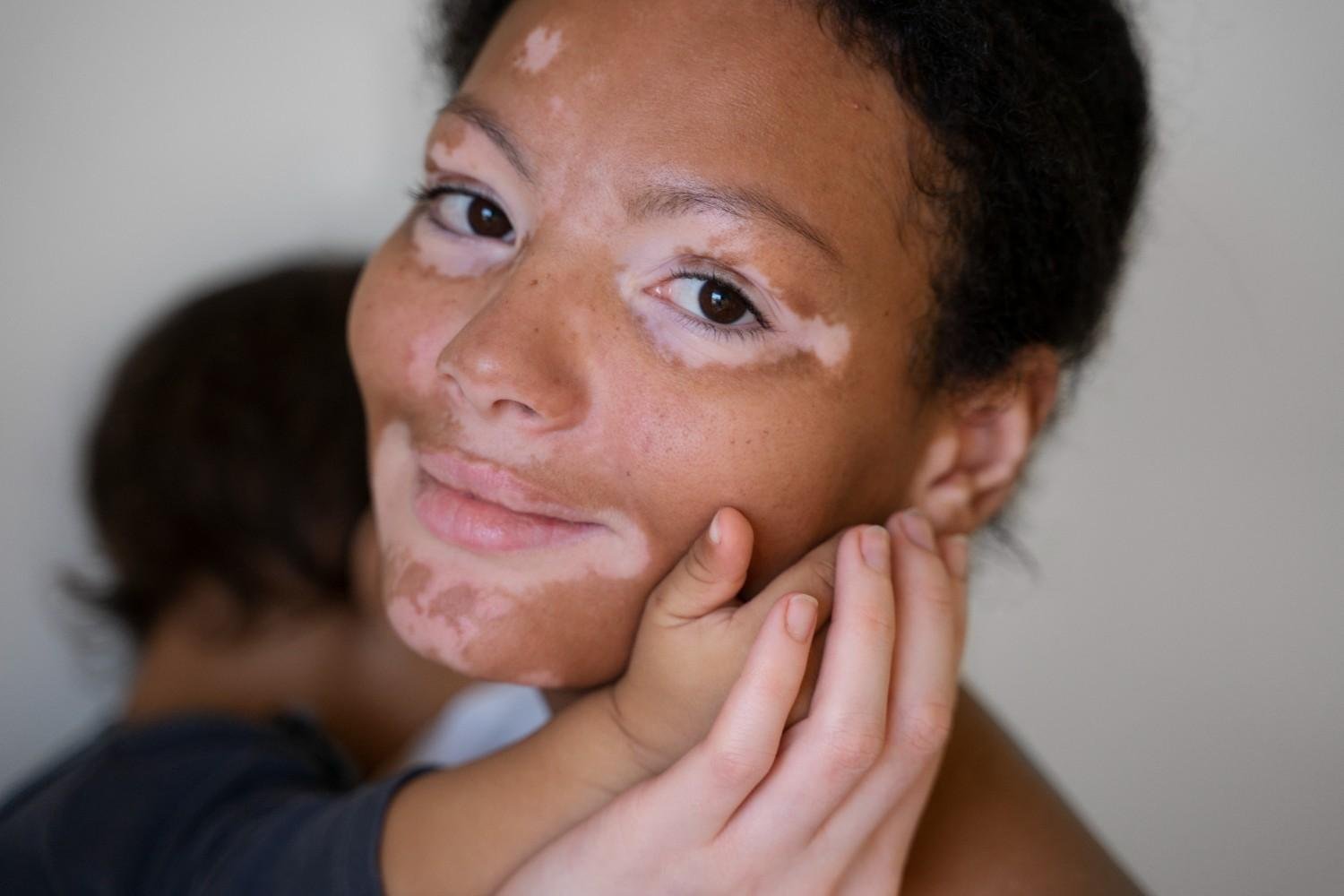
Skin cancer occurs when abnormal skin cells grow uncontrollably, often due to prolonged sun exposure or UV radiation. The most common types include basal cell carcinoma, squamous cell carcinoma, and melanoma. Early detection is crucial for effective treatment.
Common Skin Conditions
Some skin diseases are more common than others. Acne is one of the most widespread conditions, especially among teenagers and young adults. It occurs when hair follicles become clogged with oil and dead skin cells. Eczema causes dry, itchy patches, while psoriasis leads to thickened, scaly skin. Fungal infections like athlete’s foot are also frequently seen, particularly in warm and humid climates.
Causes and Risk Factors
Skin diseases can be triggered by a variety of factors. Poor hygiene, allergies, hormonal changes, stress, and environmental exposure all play a role. Genetics can also increase the risk of developing certain conditions. Additionally, weakened immune systems may make individuals more susceptible to infections and chronic skin issues.
When to See a Specialist
While many skin problems can be treated with over-the-counter products, persistent or worsening symptoms should not be ignored. If a rash spreads quickly, becomes painful, or does not improve, it is important to seek medical advice. Consulting a dermatologist in Cottonwood Heights or any qualified skin specialist can help ensure proper diagnosis and treatment.
Prevention and Care
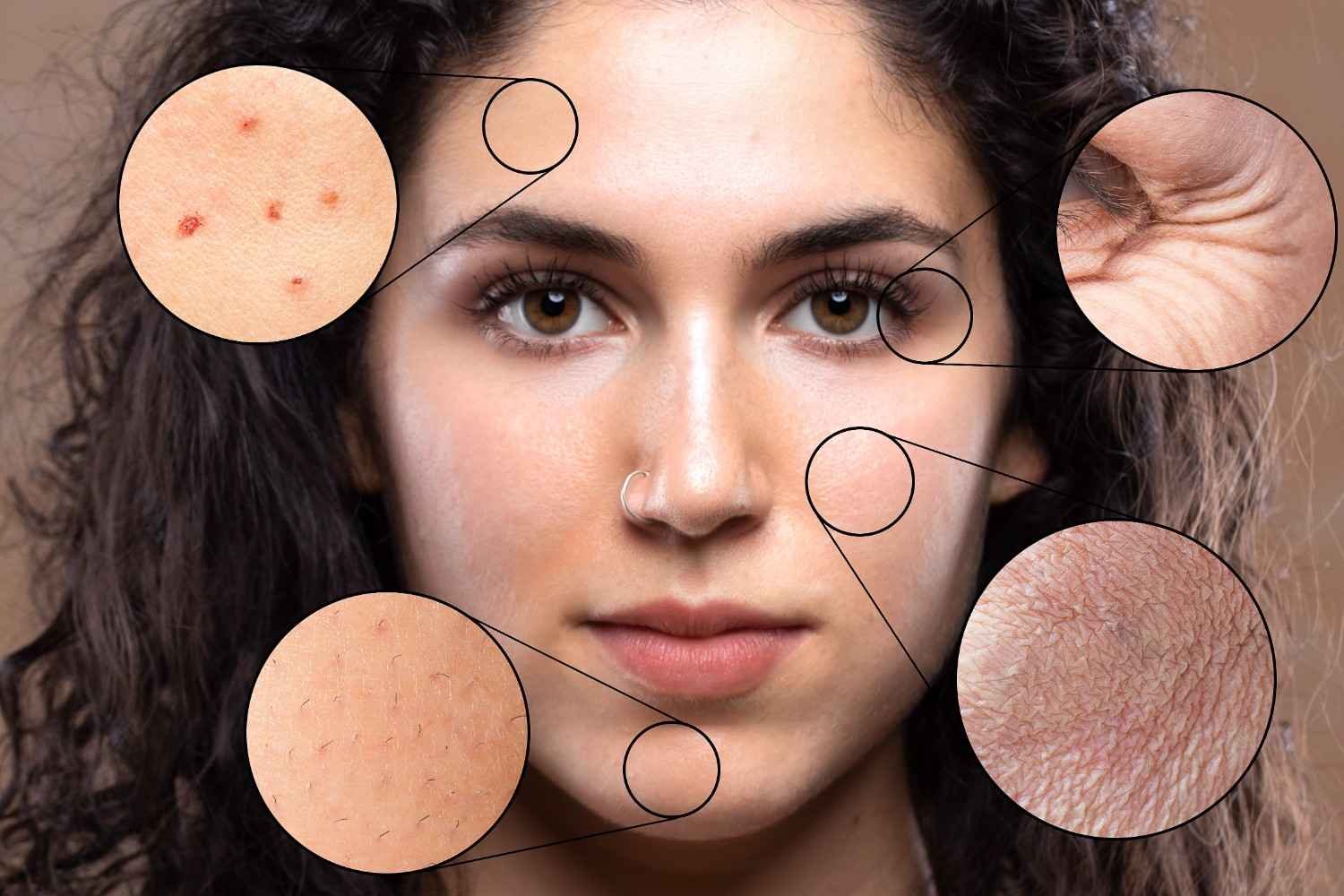
Maintaining healthy skin involves simple daily habits. Washing the skin regularly, staying hydrated, using sunscreen, and avoiding harsh chemicals can reduce the risk of many skin problems. A balanced diet rich in vitamins and minerals also supports skin health.
In Conclusion
Skin diseases are diverse and can affect anyone at any time. By understanding their types, causes, and symptoms, individuals can take better care of their skin and seek treatment early when needed. Awareness and proper skincare go a long way in maintaining healthy, glowing skin throughout life, helping you feel good about yourself.