
 By Julien Dubois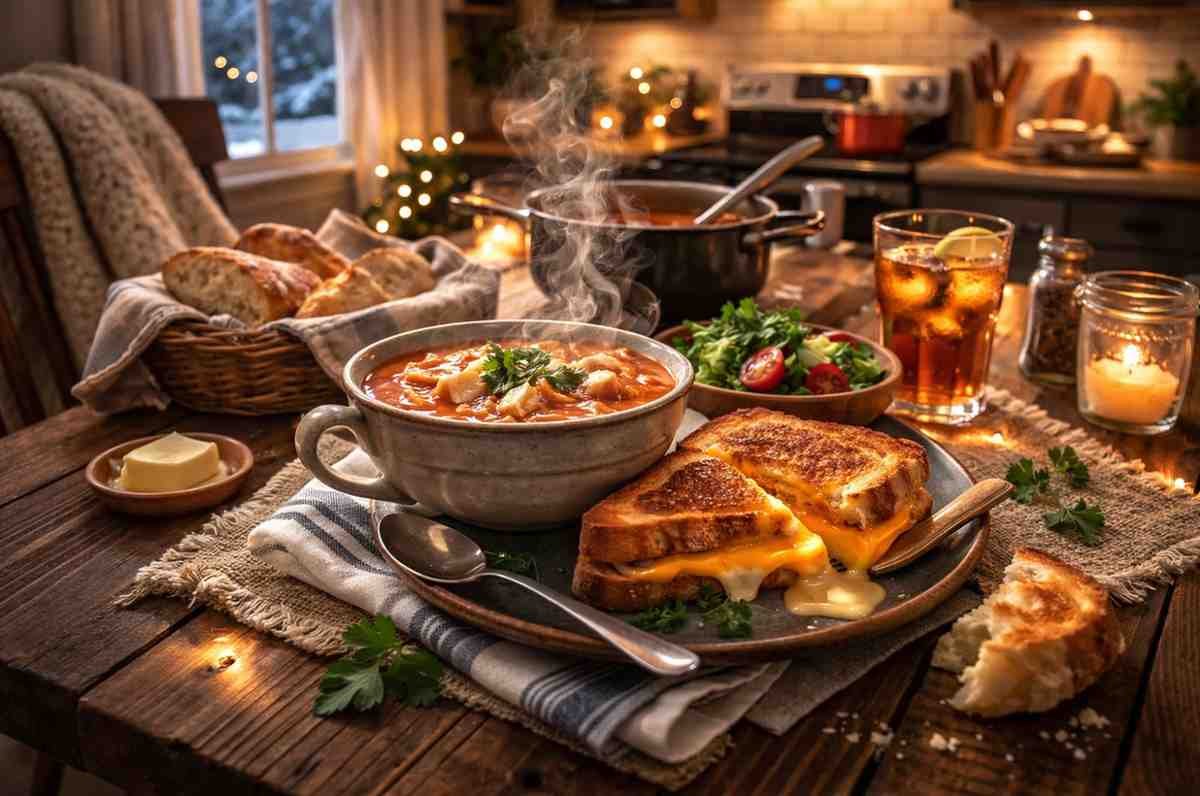
There’s a point most people reach during the week when cooking stops feeling creative and starts feeling like a financial decision. You open the fridge, look at half-used ingredients, and try to figure out how to turn them into something warm, filling, and worth sitting down for. Eating at home sounds like the responsible choice, but repeating the same meals quickly drains motivation.
What actually helps isn’t complicated recipes or trendy ingredients. It’s learning how comforting meals can come from simple, affordable staples that stretch further than expected. The dinners that truly work on busy evenings are the ones that feel familiar, require minimal effort, and still taste like real home cooking, not a compromise made just to save money.
Why Comfort Food Works Best on a Budget
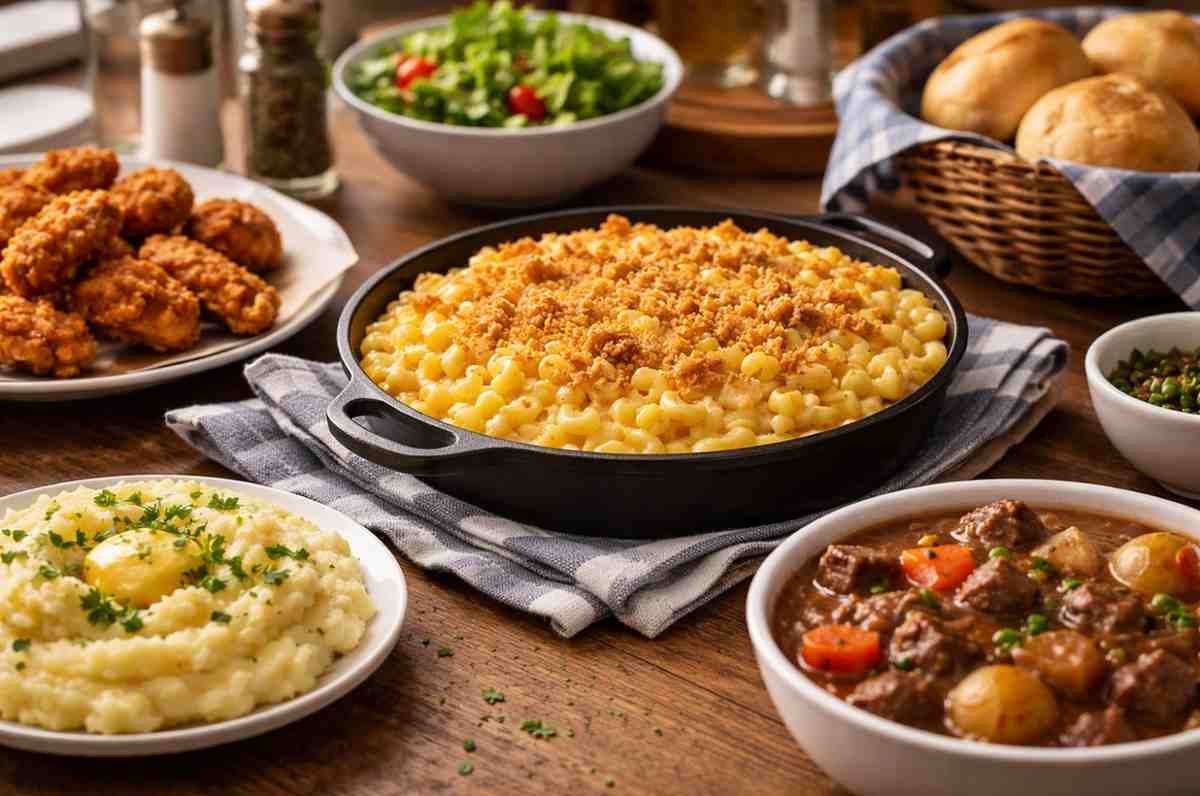
Comfort food naturally aligns with budget cooking because it relies on ingredients designed to feed people well. Dishes built around rice, potatoes, pasta, or beans don’t just reduce costs; they create meals that feel satisfying and complete.
Many everyday dinners succeed because they combine three elements: a filling base, a flavorful protein, and a creamy or savory sauce that ties everything together. That’s why casseroles, soups, and skillet meals show up repeatedly in real kitchens. They stretch ingredients without making the meal feel smaller.
Ground meat, chicken thighs, canned goods, and frozen vegetables work especially well because they adapt easily. A single pack of protein can flavor an entire pot instead of serving as the centerpiece of the plate. Over time, this shift changes how dinner feels, less about portioning expensive items and more about building comfort through balance.
One-Pot Meals That Save Both Time and Money

One-pot cooking isn’t just convenient; it’s practical when energy runs low after a long day. Meals cooked in a single pan allow flavors to develop together while reducing cleanup, which makes cooking at home easier to repeat consistently.
Dishes like cheesy taco mac bring together pasta, seasoned ground meat, and a creamy texture that feels indulgent without requiring specialty ingredients. Everything cooks in one skillet, turning simple pantry items into something that feels like a weekend meal even on a weekday.
Casserole-style dinners work the same way. A no-peek chicken and rice bake, for example, relies on layering ingredients, covering the dish tightly, and letting the oven handle the work. The result is tender, flavorful food with almost no active cooking time. These kinds of meals quietly become household favorites because they remove decision fatigue from dinner.
Another reliable option is a seven-can stew, the kind of meal you make when grocery shopping hasn’t happened yet. Combining canned soup, beans, vegetables, and tomatoes creates a surprisingly hearty dinner that comes together quickly and requires almost no preparation.
Stretching Ingredients Without Sacrificing Flavor
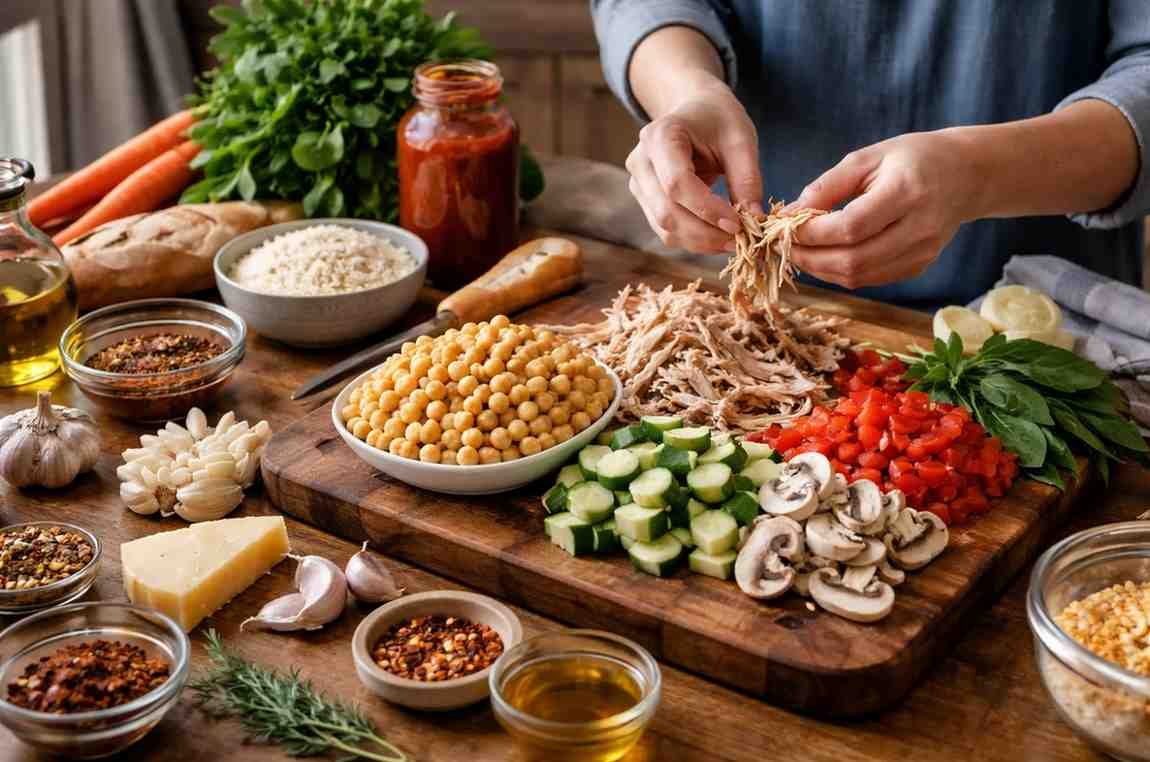
Budget cooking works best when ingredients play multiple roles. Instead of building meals around expensive cuts of meat, successful home cooks use proteins as flavor enhancers.
Ground beef meatballs mixed with oats are a perfect example. The oats absorb moisture, extend portions, and create a tender texture while lowering overall cost. Simmered in a creamy gravy and served over rice or mashed potatoes, the meal feels rich and comforting despite using inexpensive ingredients.
Soups also excel at stretching groceries. Hamburger soup or a simple tomato-based vegetable soup transforms small amounts of meat and leftover produce into a full dinner. These meals adapt easily depending on what’s available, which removes pressure from strict meal planning.
Here’s where many people unknowingly save the most money:
- Using grains like rice or pasta to bulk up meals
- Choosing frozen vegetables to reduce waste
- Swapping proteins based on weekly sales
These small adjustments don’t change how food tastes, but they dramatically improve how far groceries go.
Everyday Comfort Meals That Always Work
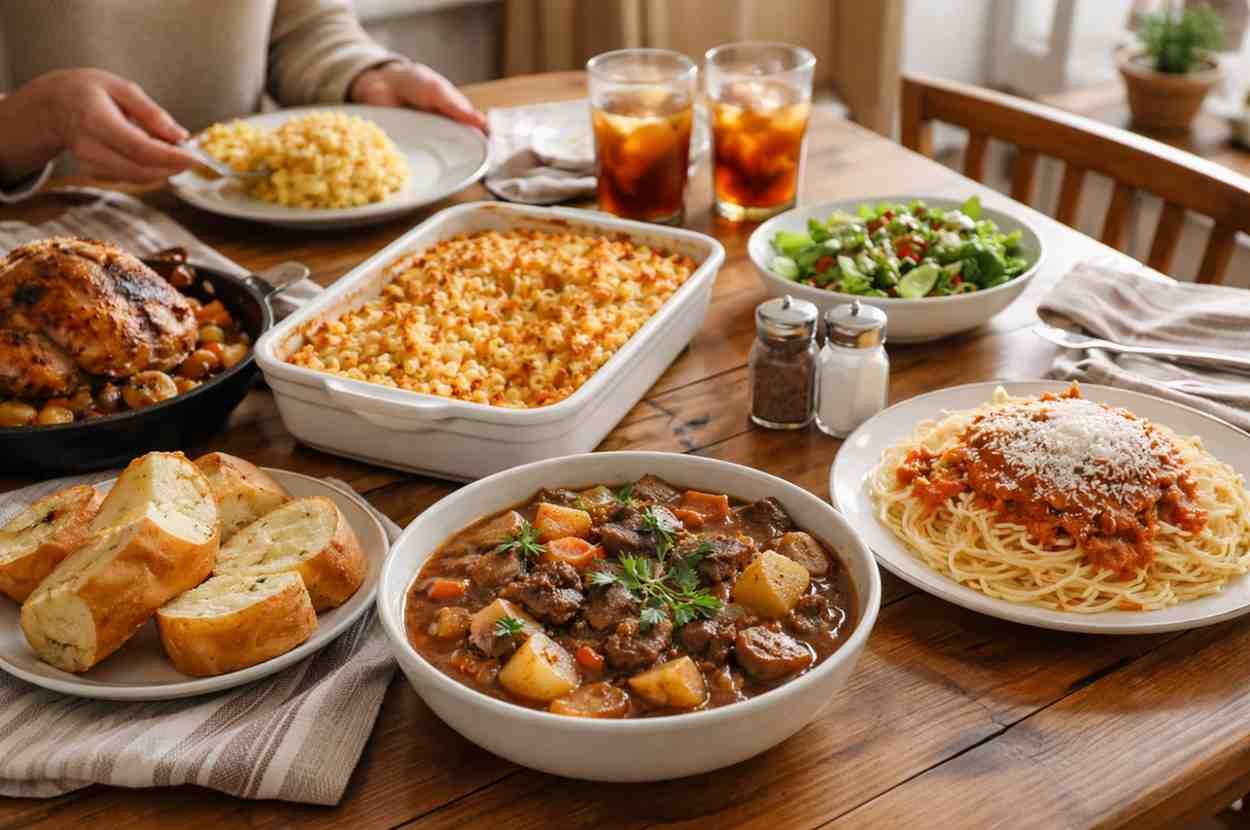
Some dinners remain popular because they solve real problems. They’re forgiving, flexible, and hard to mess up qualities that matter more than culinary perfection.
A hobo casserole layered with potatoes, seasoned meat, and creamy sauce delivers warmth and fullness using ingredients most kitchens already have. Similarly, tuna casserole continues to survive generations of home cooking because canned tuna, noodles, and a crunchy topping create contrast without complexity.
Sheet pan sausage and vegetables offer another reliable solution. Roasting everything together caramelizes flavors while allowing inexpensive ingredients like potatoes and carrots to shine. The oven does the work, and the cleanup stays minimal.
Even something as simple as “poor man’s soup,” made with potatoes, vegetables, and broth, proves that comfort often comes from familiarity rather than cost. These meals succeed because they prioritize nourishment and ease over presentation.
Building a Sustainable Weeknight Cooking Routine
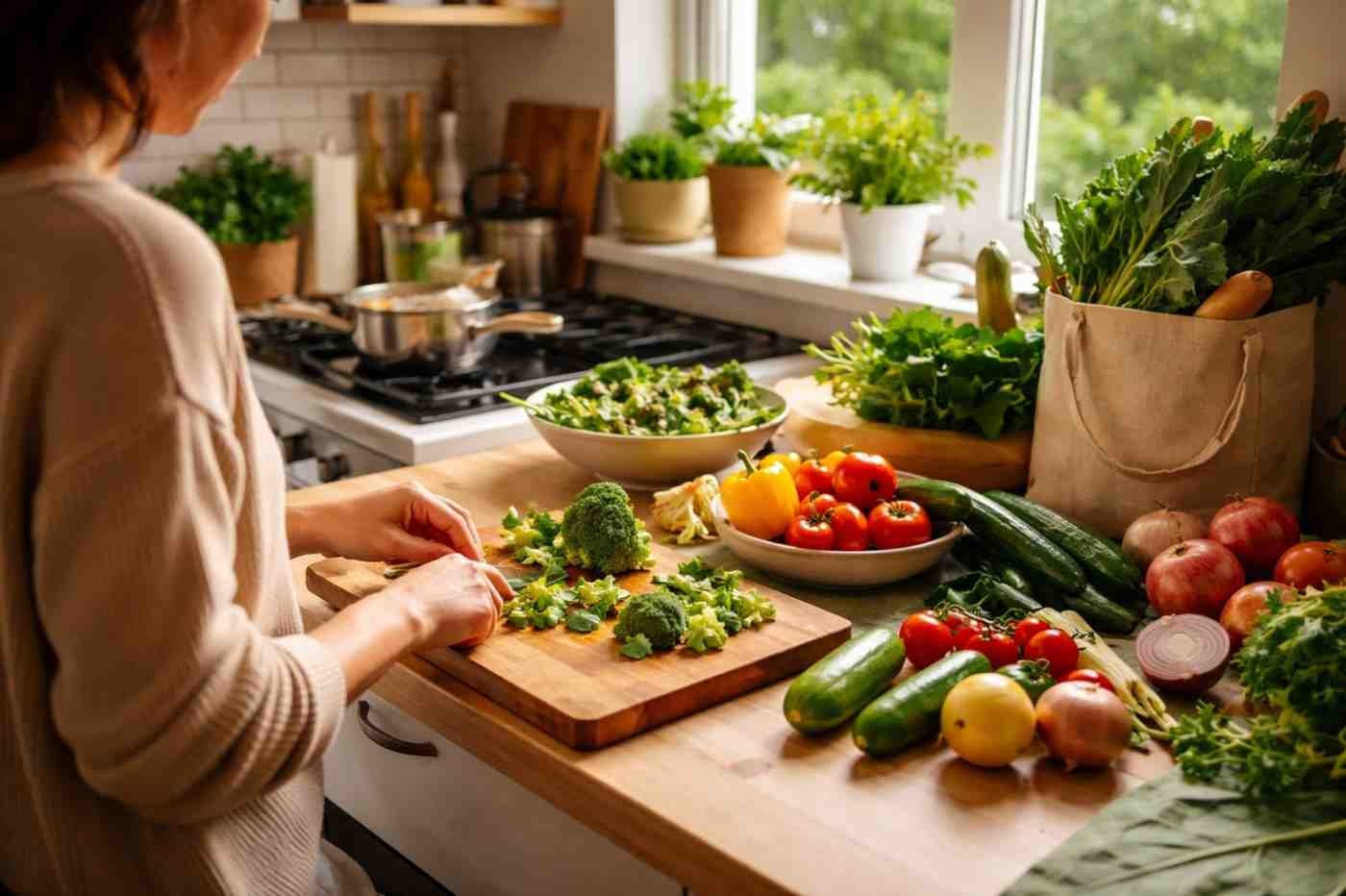
The biggest difference between stressful cooking and sustainable cooking is repetition. Budget-friendly dinners become easier when you rely on a flexible framework instead of constantly searching for new recipes.
A practical routine often looks like this:
- One casserole or baked dish early in the week
- One soup or stew that creates leftovers
- One sheet-pan or skillet meal for quick evenings
This rhythm reduces grocery waste and decision fatigue. Leftovers turn into next-day lunches, ingredients overlap naturally, and cooking starts feeling manageable again.
Over time, pantry staples become the foundation of dinner rather than emergency backups. Keeping rice, canned beans, pasta, broth, and frozen vegetables on hand makes it possible to cook comforting meals even when plans change unexpectedly.
Why Simple Meals Feel More Comforting
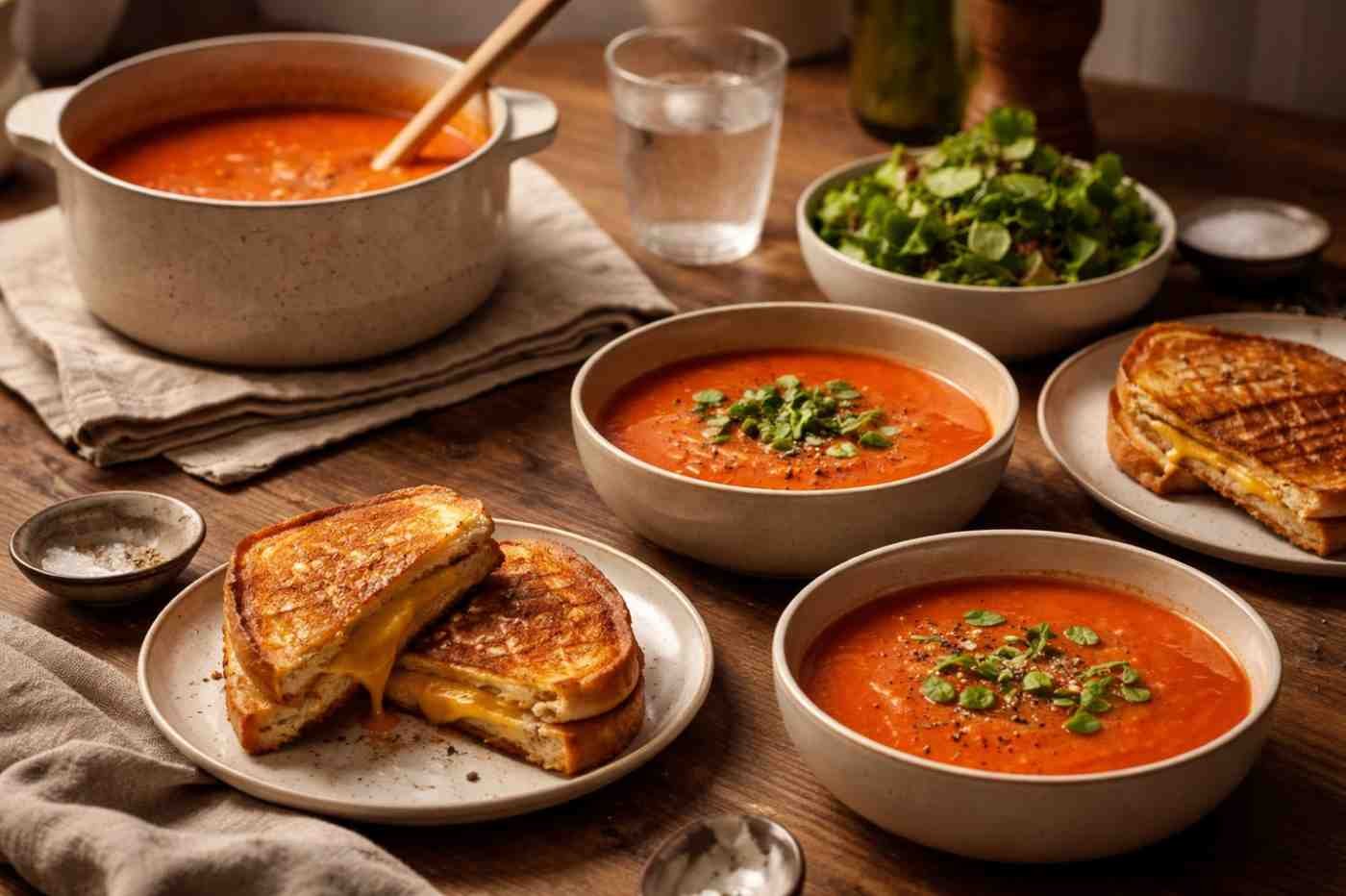
There’s a reason simple dinners feel emotionally satisfying. Meals cooked repeatedly develop familiarity, and familiarity reduces stress. When dinner doesn’t require complicated planning, it becomes something grounding rather than another task.
Comfort comes from warmth, texture, and predictability, creamy sauces, slow-simmered soups, roasted vegetables, and soft grains that absorb flavor. These elements don’t require expensive ingredients, just thoughtful combinations.
Cooking this way also creates a subtle shift in mindset. Instead of chasing perfect meals, the focus moves toward dependable ones. And dependable dinners are often the ones that keep households eating well without overspending.
Frequently Asked Questions (FAQs)
1. How can I make budget-friendly dinner ideas feel less repetitive?
Rotate cooking methods instead of ingredients. Baking, simmering, and roasting the same staples creates completely different textures and flavors.
2. What proteins work best for affordable dinners?
Ground meat, chicken thighs, eggs, canned tuna, beans, and lentils provide strong flavor while keeping meals filling and cost-effective.
3. Are frozen vegetables a good option for home cooking?
Yes. Frozen vegetables retain nutrients, last longer, and help reduce food waste, making them ideal for everyday cooking routines.
4. How do I cook comforting meals without spending hours in the kitchen?
Focus on one-pot meals, casseroles, and sheet-pan dinners. These methods minimize preparation while allowing flavors to develop naturally.
Final Thoughts
Comforting dinners don’t come from complicated recipes or expensive ingredients. They come from understanding how simple foods work together to create warmth, fullness, and consistency at the end of a long day. When cooking becomes less about perfection and more about practicality, dinner starts feeling easier to approach. Pantry staples gain new value, leftovers become intentional, and familiar meals quietly build a routine that supports both time and budget.
The goal isn’t to cook less, it’s to cook smarter, in ways that make everyday home meals sustainable and genuinely enjoyable.