
 By Julien Dubois
Many home cooks assume they know how to cook angel hair pasta, until they try it. Because angel hair cooks in just a few minutes, even a brief distraction can turn it from delicate and silky to mushy and clumped. Experienced cooks quickly learn that this pasta demands precision, not effort.
When handled properly, angel hair becomes beautifully light, perfectly al dente, and ready to absorb even the simplest sauce. It’s one of the fastest, most elegant meals to prepare if the right technique is followed.
What Makes Angel Hair Pasta So Delicate?
Angel hair, also known as capellini, is one of the thinnest long pastas available, and its delicate size is exactly what makes it so enticing. Because it cooks in just 2–5 minutes, it requires far more attention than thicker varieties. Blink at the wrong moment, and it can go from perfectly tender to overdone before you know it.
Its delicate structure means:
- It absorbs heat rapidly
- It overcooks very easily
- It tends to clump if not stirred immediately
Understanding this fragility is essential to getting the texture right.
How Much Water and Salt Should Be Used?
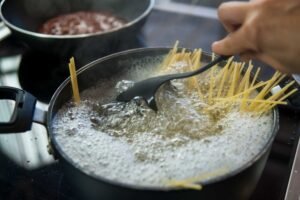
A large pot is needed because the strands need plenty of space to move freely. Most experienced cooks rely on a simple ratio that consistently delivers great results:
- 1 gallon of water
- 1 to 2 tablespoons of salt
Salting the water properly is the only reliable way to season the pasta itself. Because angel hair absorbs flavor quickly, this step makes a noticeable difference.
How Long Does Angel Hair Pasta Need to Cook?
Most packaging lists 3–4 minutes, but experienced cooks begin taste-testing at around 2.5 minutes. Angel hair transitions from perfectly al dente to overcooked in seconds.
Angel Hair Cooking Time Chart
| Desired Texture | Cook Time | Notes |
| Firm al dente | 2.5–3.5 minutes | Ideal for oil-based or citrus sauces |
| Soft but still good | 4 minutes | Works well with light cream sauces |
| Overcooked | 5+ minutes | Mushy, clumpy, and sticky |
Taste-testing will always be more reliable than the timer.
How to Cook Angel Hair Pasta (Step-by-Step Routine)
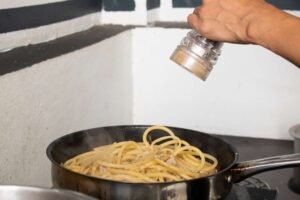
This step-by-step method reflects expert practice and aligns with the techniques found in top-rated cooking guides.
Step 1: Bring a Large Pot of Water to a Boil
A rolling boil ensures the delicate strands cook evenly.
Step 2: Salt the Water
Using 1–2 tablespoons of salt seasons the pasta from within.
Step 3: Add the Angel Hair Gradually
Holding the bundle by one end and lowering it slowly allows the submerged portion to soften before the rest is folded in.
Step 4: Stir Constantly for the First Minute
This prevents the strands from sticking to each other or the pot—one of the biggest challenges with angel hair.
Step 5: Cook for 2.5–4 Minutes
Taste early and stop cooking once the pasta is tender on the outside but still firm at the center.
Step 6: Reserve Pasta Water
Saving ½ to 1 cup of starchy water helps achieve silky, restaurant-style sauces later.
Step 7: Drain Without Rinsing
Rinsing removes the starch that helps sauces adhere naturally.
Step 8: Toss with Sauce Immediately
Angel hair cools quickly and begins to clump if left alone, so it must be combined with sauce while still hot.
What Sauces Pair Best with Angel Hair?
Because angel hair is delicate, it pairs best with light, smooth sauces rather than heavy, chunky ones.
Garlic and Olive Oil (Aglio e Olio)
A simple, fragrant mixture that coats the pasta evenly.
Lemon Butter Sauce
Bright, airy, and perfect for fresh herbs or a sprinkle of Parmesan.
Fresh Tomato Basil
A light tomato-based option that complements rather than overwhelms the pasta.
Common Mistakes People Make with Angel Hair Pasta
These are the three mistakes most cooks make when working with angel hair pasta:
- Using a pot that is too small
- Adding oil to the water, which prevents sauce adhesion
- Letting the pasta sit after draining instead of tossing immediately
Avoiding these pitfalls greatly improves the final result.
FAQs About How to Cook Angel Hair Pasta
Why does angel hair pasta overcook so quickly?
Its extremely thin structure absorbs heat rapidly, which means the ideal texture can disappear in seconds.
Should angel hair pasta be rinsed after cooking?
No. Rinsing removes the starch that helps sauces cling to the noodles.
How can angel hair be kept warm if dinner isn’t ready yet?
Lightly coat it with olive oil, cover it, and keep it on very low heat. Add a splash of pasta water before serving.
What kinds of sauces work best with angel hair?
Light oil-based, citrus, or thin cream sauces complement the fine strands without weighing them down.
A Final Word on Cooking Angel Hair Pasta
Once someone understands how to cook angel hair pasta properly, it becomes one of the simplest and most delicious meals to prepare. The key is respecting its delicate nature: using enough water, salting it properly, stirring early, cooking quickly, and pairing it with the right sauce. When these steps are followed consistently, angel hair pasta turns out silky, separate, and beautifully flavored every time.