
 By Julien Dubois
Stocking your liquor cabinet doesn’t have to be overwhelming. With a little planning, you can have a well-rounded collection that covers all the essential cocktails, suits your personal tastes, and lets you experiment with new drinks. Whether you’re a cocktail enthusiast or just starting, I’m going to walk you through how to stock your liquor cabinet efficiently and with confidence.
What Core Spirits Should You Start With?
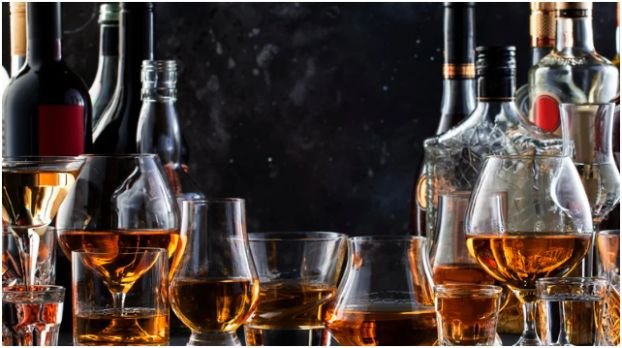
When stocking your liquor cabinet, focus on versatility. I’ve found that having a good mix of spirits that you enjoy can cover a broad range of classic and modern cocktails.
For me, starting with the core five spirits was key. These are the foundation of many drinks and will get you through a variety of cocktail-making scenarios.
- Vodka: I personally use vodka in so many drinks like Screwdrivers, Cosmos, and Bloody Marys. It’s clean and versatile, making it a staple in my bar. For a balanced mix, I go for a mid-range bottle that isn’t too harsh but still tastes good neat if I want a simple drink.
- Gin: Whether it’s a Gin & Tonic or Martini, gin is perfect for a refreshing cocktail. I like a London Dry Gin for its crisp, botanically-forward flavor. It’s also great for experimenting with various flavor profiles!
- Whiskey: Whiskey is a must-have for Old Fashioneds, Manhattans, or a classic Whiskey Sour. For me, bourbon is a bit sweeter and smoother, but rye offers a spicier, bolder kick. I always keep one bottle of each for variety.
- White Rum: Rum is your go-to for tropical drinks like Mojitos and Daiquiris. I stick to a light, unflavored rum for a clean base in my cocktails.
- Tequila: Tequila is essential for Margaritas and Palomas. I recommend getting a blanco or silver tequila, made from 100% blue agave. It’s smooth and perfect for mixing, without the sharp bite that lower-quality tequilas can have.
I like to keep these spirits handy, and they are more than enough for a good variety of drinks. If you feel like branching out, Brandy or Cognac can be a nice touch for classic cocktails like the Sidecar—but they’re not necessary for a basic setup.
What Liqueurs and Mixers Should You Add?
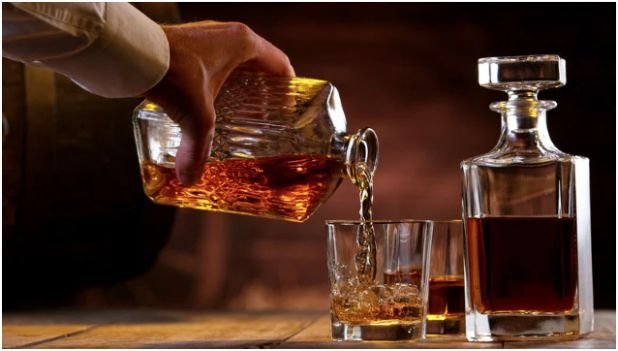
Once you have the core spirits, it’s time to add some flavor and flair with liqueurs and mixers. These are the ingredients that will elevate your cocktails and allow you to get creative.
- Orange Liqueur: I’m all about using Cointreau in Margaritas and Cosmopolitans. It adds a burst of citrus and sweetness that’s hard to beat.
- Vermouth: If you’re making a Martini or a Manhattan, vermouth is a must. I keep both sweet vermouth for Manhattans and dry vermouth for Martinis. A little goes a long way, so I buy smaller bottles to keep it fresh. Remember to store them in the fridge after opening!
- Bitters: A dash or two of bitters—like Angostura—adds complexity and balance to cocktails. It’s essential for classic drinks like the Old Fashioned or Manhattan. I recommend keeping orange bitters on hand, too, as they add another layer of flavor.
- Coffee Liqueur: Coffee drinks, like White Russians, are a favorite of mine, especially after dinner. You can’t go wrong with Kahlúa for a smooth, rich flavor.
These mixers and liqueurs add the perfect balance of sweetness, flavor, and complexity to your cocktails. Having these on hand will allow you to mix and match depending on what you’re in the mood for.
How to Build a Bar Setup That Works for You
To make your home bartending even more efficient, you’ll need a few key bar tools. Trust me, these essentials will make all the difference in the quality and ease of your cocktails.
- Shaker: Whether it’s a Boston shaker or a classic three-piece shaker, this is essential for mixing drinks like Margaritas or Daiquiris. It’s easy to use and gets the job done.
- Jigger: A jigger is a must for precise measurements. It ensures that your cocktails taste balanced every time, whether you’re making a Martini or a Mojito.
- Strainer: If your shaker doesn’t have a built-in strainer, a Hawthorne strainer is a great tool to separate the ice and bits of fruit from your drink. It’s a small detail that makes a big difference in presentation.
- Bar Spoon: A long-handled spoon helps you stir cocktails like Old Fashioneds, which don’t require shaking. It’s a simple but effective tool for stirring and layering drinks.
- Muddler: For muddling fresh herbs or fruits, I highly recommend having a muddler in your bar kit. It’s great for crafting refreshing cocktails like Mojitos or Caipirinhas.
These tools will allow you to create the perfect cocktail every time. They’re easy to find and relatively inexpensive, and they’ll make your drinks taste way better than using a regular spoon or a random kitchen gadget.
How to Make Cocktails at Home Like a Pro

You’ve got your spirits, mixers, and tools, but how do you actually make cocktails like a pro? Here’s a simple step-by-step guide to get you started:
- Measure Your Ingredients: Use a jigger to measure the precise amount of liquor you’re using. This step is crucial for creating a balanced drink.
- Add Mixers and Liqueurs: Add any mixers or liqueurs needed for your recipe. If you’re making a cocktail like a Mojito, muddle the mint leaves first and then add your rum, lime juice, and simple syrup.
- Shake or Stir: For drinks that need to be chilled and mixed, add ice and shake well. For drinks that don’t require shaking (like a Martini), stir with your bar spoon.
- Strain and Serve: Use a strainer to separate the ice and any muddled fruit from the drink. Pour it into your glass, and garnish with a twist of lime, mint, or a cherry.
- Taste and Adjust: Always taste your drink before serving. If it needs a little more sweetness or acidity, tweak it. This is where practice makes perfect!
Frequently Asked Questions (FAQ)
1. What’s the best vodka for cocktails?
I recommend starting with a mid-range vodka that’s clean and smooth, such as Tito’s Handmade Vodka. It’s versatile and works in everything from screwdrivers to Moscow Mule. Avoid the super cheap ones, as they can have a harsh aftertaste.
2. Do I need both sweet and dry vermouth?
Yes, if you want to make classic cocktails like the Martini and Manhattan. Sweet vermouth is essential for Manhattans, while dry vermouth is necessary for a crisp Martini. Both add depth to your cocktails, and I recommend having both on hand for flexibility.
3. How long will my liquor last?
Spirits like vodka, gin, whiskey, and rum last for years if unopened. Once opened, they’ll stay fresh for a long time, but it’s best to consume them within a year or two for optimal taste. Vermouth and bitters will last much longer if kept in the fridge after opening.
The Final Sip: Your Liquor Cabinet, Your Rules
When it comes to stocking your liquor cabinet, it’s all about having a solid foundation with the core spirits and a few key mixers and tools.
The best part is, as you gain confidence, you can add more specialized ingredients and tools to suit your personal taste. So, get creative and have fun—your home bar is your playground!
Tip: If you’re ever unsure about what to buy, just think of your favorite cocktails. Having the ingredients for those will make sure you always have what you need to make your go-to drinks.