
 By Julien Dubois
Let’s face it—when it comes to heart health, we often think about exercise or genetics, but the food we eat is just as important. I’ve been learning how diet reduces heart disease risk, and let me tell you—it’s all about making small but powerful changes in your eating habits.
You can lower cholesterol, manage blood pressure, and even keep your blood sugar levels stable by simply choosing better foods. It’s easier than it sounds, and today I’m sharing how you can take charge of your heart health through your diet. Ready to give your heart the love it deserves?
Why Does Heart Disease Risk Matter?
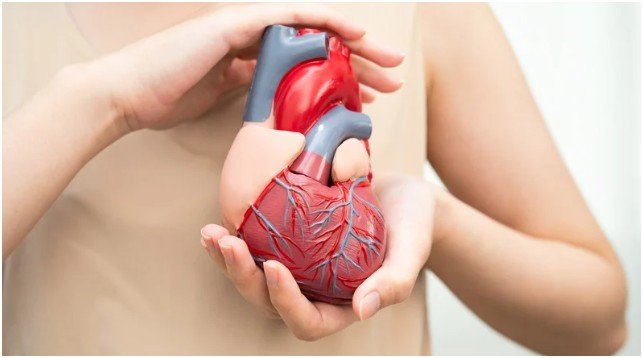
Heart disease is the leading cause of death worldwide, and while some factors are out of our control, like age and genetics, diet plays a massive role. The food we eat directly influences key health markers like cholesterol, blood pressure, and weight—factors that are tightly linked to heart disease risk.
The good news? We don’t have to overhaul our entire lifestyle overnight. A few smart food swaps here and there, and we’re on our way to a healthier heart. I promise, it’s not about sacrificing flavor or convenience—it’s about making better choices, one meal at a time.
What Foods Can Help Lower Your Cholesterol?
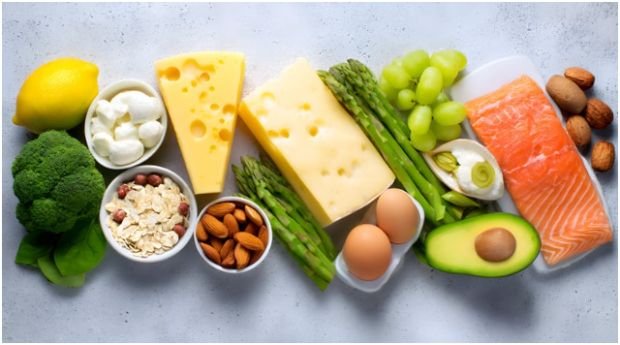
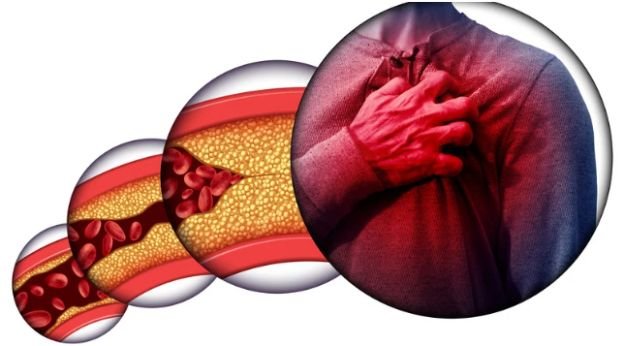
One of the biggest factors in heart disease is high cholesterol. We all know the “bad” cholesterol—LDL—can lead to plaque buildup in the arteries, making them stiff and narrow, which can result in a heart attack or stroke. But don’t stress; I’ve got good news. Certain foods can actually help lower your cholesterol and protect your heart.
Start with fiber-rich foods like whole grains, beans, and vegetables. These foods are packed with soluble fiber, which binds to cholesterol and helps flush it out of your system. I love adding oatmeal to my breakfast routine—it’s a simple, delicious way to start the day with a heart-healthy boost. Beans, lentils, and fruits like apples and berries are also great at lowering cholesterol. I make a big batch of homemade veggie chili once a week, and it’s a staple in my heart-healthy diet.
Next, let’s talk about healthy fats. You want to swap out those nasty saturated and trans fats for unsaturated fats. This means replacing butter and fatty meats with healthier options like olive oil, avocados, and nuts. I keep a jar of raw almonds on hand to snack on throughout the day, and I always drizzle olive oil over my salads. These fats don’t just taste amazing; they actually help reduce LDL cholesterol while increasing the good HDL cholesterol.
How Does Reducing Sodium Help with Heart Health?
Salt might seem harmless, but too much sodium can wreak havoc on your blood pressure. High blood pressure is a leading risk factor for heart disease. If you’re like me, you’ve probably reached for the salt shaker a bit too often. But the good news is, lowering your sodium intake can do wonders for your blood pressure and heart health.
First off, avoid processed foods as much as possible. I know it’s tempting to grab a bag of chips or a frozen meal when you’re in a rush, but those foods are often loaded with hidden sodium. Instead, I’ve found that making homemade meals is way better for my heart.
When I cook, I use fresh herbs and spices like garlic, thyme, and basil to flavor my meals. Not only does this cut out the salt, but it also adds some delicious complexity to the dish.
Another simple trick? Cut back on packaged snacks like pretzels, canned soups, and ready-to-eat meals. These can pack a punch of sodium, often without you realizing it. By swapping out processed foods for fresh produce and home-cooked meals, you can make a significant difference in your heart health. Believe me, it’s worth it.
What About Weight Management and Heart Health?
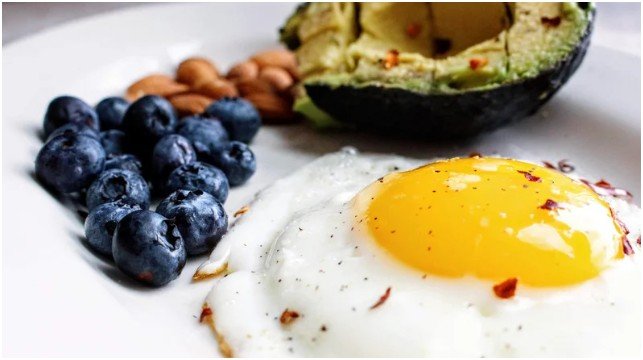
If you’re carrying around extra weight, you might be putting your heart at risk. It’s not just about how you look; being overweight increases your chances of high blood pressure, high cholesterol, and diabetes—all of which contribute to heart disease. But don’t worry, we don’t need to obsess over weight loss to protect our hearts. It’s all about balance and making small changes that are sustainable.
One easy win is to fill your plate with more fruits and veggies. They’re low in calories and high in fiber, meaning they keep you full without the added fat and sugar. I’ve started replacing half of my dinner plate with vegetables, which has helped me feel satisfied without overeating.
And don’t forget to prioritize whole grains. Swapping out white rice for brown rice, or choosing quinoa over refined pasta, can help stabilize blood sugar levels and support weight management.
By focusing on healthy food choices and maintaining a balanced approach to eating, you can work toward a healthier weight and protect your heart at the same time.
How Can I Start Making Heart-Healthy Food Swaps Today?
Let’s get down to the nitty-gritty! I’m all about small changes that add up over time. You don’t need to make a major overhaul to your diet to start seeing benefits. Here’s how to get started:
Step 1: Swap Processed Snacks for Whole Foods
Start by swapping out processed snacks with fruits, veggies, and nuts. I’ve found that keeping a bowl of fruit on the counter or pre-chopping veggies for easy snacking has made it much easier to avoid the junk food.
Step 2: Choose Healthy Fats
Next, focus on replacing unhealthy fats with unsaturated fats. Choose olive oil for cooking, snack on avocado, and add nuts to your meals. It’s all about giving your body the good fats it needs to stay healthy.
Step 3: Cut Back on Sodium
Begin by eliminating processed foods like canned soups and frozen meals from your pantry. Instead, use fresh ingredients and flavor your meals with herbs and spices. Your taste buds will thank you.
Step 4: Fill Your Plate with Veggies
Try to make veggies the star of your meals. Add a side of greens or sauté some spinach or kale with garlic for a simple, nutrient-packed addition. By increasing your veggie intake, you’ll lower your risk of heart disease and boost your health overall.
FAQ: How Diet Reduces Heart Disease Risk
Q1: How quickly can I see changes in my heart health after improving my diet?
It varies from person to person, but typically, improvements in cholesterol levels, blood pressure, and weight can be noticed within a few weeks to months of making heart-healthy changes. Stick with it—you’ll see results!
Q2: Are there specific foods I should eat to help manage high blood pressure?
Yes! Focus on foods rich in potassium like bananas, sweet potatoes, and spinach. Pair these with foods high in magnesium, like nuts and seeds, and avoid processed foods with added salt. This combo can work wonders for blood pressure.
Q3: Can I still enjoy occasional indulgences like chocolate or pizza?
Absolutely! A heart-healthy diet is all about balance, not perfection. Enjoy those indulgences in moderation, but aim to make healthier choices most of the time. For example, opt for dark chocolate instead of milk chocolate for a healthier treat.
Q4: How much fiber do I need to eat for heart health?
Aim for at least 25 grams of fiber per day, ideally from whole grains, fruits, veggies, and legumes. Fiber helps lower cholesterol, stabilize blood sugar, and keep your digestive system healthy.
It’s Not About Perfection—It’s About Progress
Remember, it’s not about being perfect with your diet—it’s about making progress. Each small change you make is a step toward better heart health. It’s all about creating habits that stick, not quick fixes that leave you feeling deprived.
So, start with a few simple swaps, and over time, you’ll feel the difference in your heart health. Your heart—and your whole body—will thank you.